By
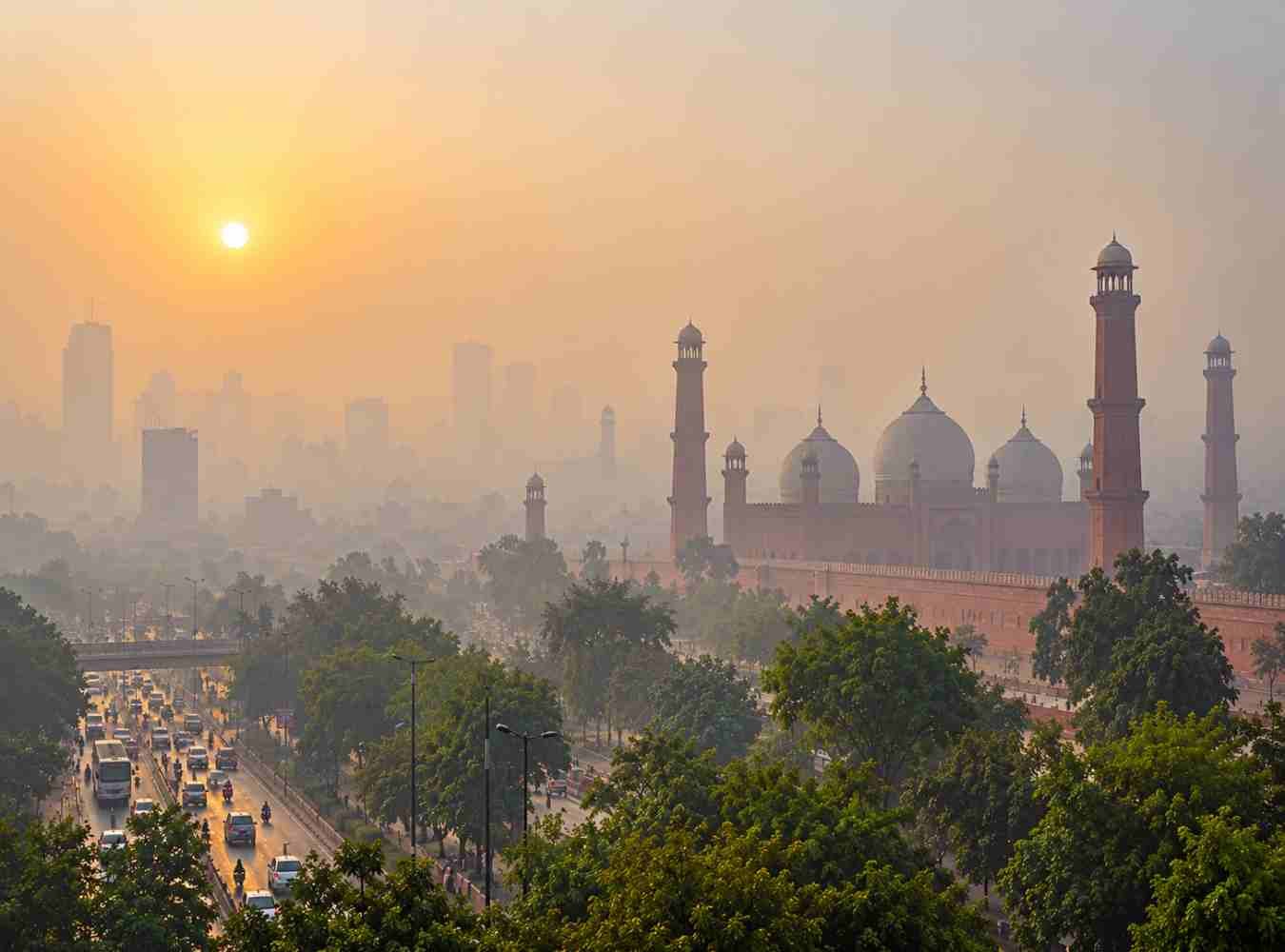
Lahore woke on Sunday to air so thick with smog that the city once again sat at the top of the world’s most polluted major cities, with its air quality index reaching 538 in the morning — a level far beyond the “hazardous” threshold.
By Salar Khan
Reporter | The BNN Media – The Best News Network
News Beyond the Borders
Lahore, Pakistan — Lahore once again ranked as the world’s most polluted major city on Sunday morning, 22 November, with hourly air quality index (AQI) levels surging past the 500 mark, Pakistani daily Dawn reported. Data from Swiss air quality monitoring platform IQAir showed Lahore at the top of the global major city ranking with an AQI of 538 between 9am and 10am, placing the provincial capital firmly in the “hazardous” category.
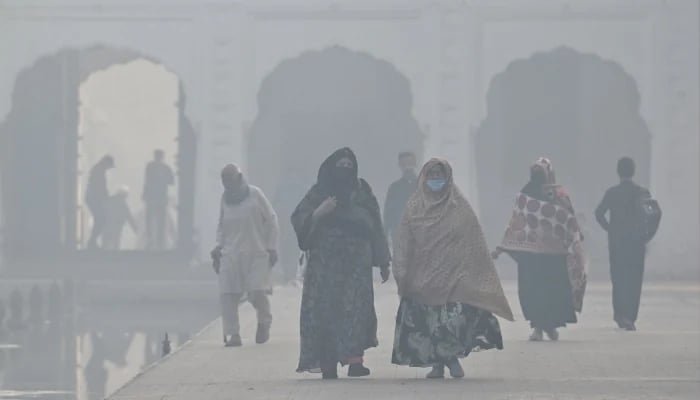
A Sunday Morning at the Top of a Grim Ranking
The reading of 538 was not a marginal breach of the safety limit. IQAir categorises any reading above 300 as hazardous, indicating extremely polluted air that poses serious health risks to residents. Lahore’s Sunday morning figure was nearly double that threshold — and more than double the reading of the city in second place.
India’s Delhi ranked second among the world’s major cities on Sunday morning, with a reading of 207. Karachi, the next Pakistani city on the global chart, stood far below Lahore. The gap between Lahore and every other major city on the planet was stark: on Sunday morning, no other city came close.
The toxic haze has left Punjab’s capital shrouded for days, reducing visibility and causing widespread health complaints, including throat irritation, breathing difficulties and itchy eyes.
Sunday’s 538 was not a one-hour fluke — it was the peak of a week in which Lahore’s air barely left the danger zone.
Punjab’s Pollution Spreads Far Beyond Lahore
The smog is not confined to Lahore. According to Dawn, IQAir’s Sunday morning domestic ranking placed eight cities from Punjab province among Pakistan’s ten most polluted urban centres:
- Kahna Nau, in Lahore district, recorded the worst air in the country at 606.
- Lahore followed at 538.
- Bahawalpur recorded 536.
- Sargodha recorded 392.
- Gujranwala recorded 347.
The figures show a crisis that covers the whole province, not a single city. From the provincial capital to Bahawalpur in the south, Punjab’s urban centres spent Sunday morning breathing air that IQAir classes as hazardous.
Every winter, much of South Asia experiences a surge in pollution as cold air traps fine particles near the surface. Emissions from transport, factories, construction dust and crop residue burning all contribute to the dense smog that lingers for weeks.
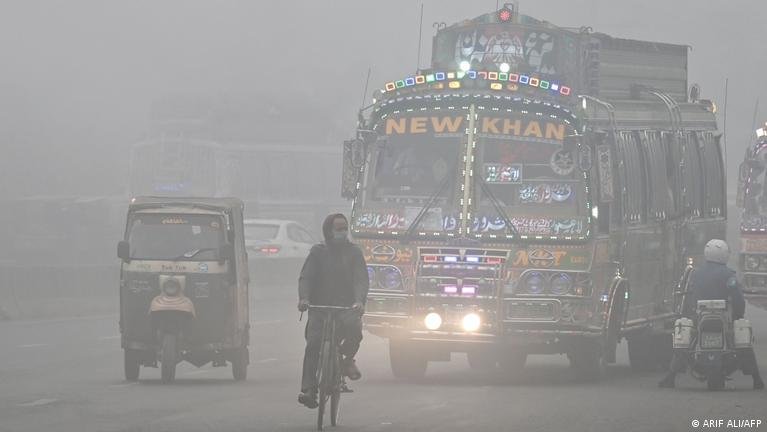
A Week of Hazardous Air
Sunday’s spike was the latest in a run of severe readings. Lahore had already recorded 465 between 7am and 8am on Friday, and 266 on Saturday evening — still deep in the very unhealthy range. Sunday morning’s 538 was worse still, and it put Lahore ahead of every other major city on IQAir’s global ranking at that hour.
The pattern has been consistent all month: Lahore has now topped the global pollution ranking on several mornings this November. It is a title the city has claimed repeatedly in recent weeks, and the latest reading underlines how stubborn the smog crisis has become.
The Met office said the smoggy weather continued to prevail in Lahore on Sunday, and predicted similar conditions during the next 24 hours — meaning there was no quick relief in sight for the city’s residents.
Three days, three severe readings — Friday’s 465, Saturday’s 266 and Sunday’s 538 — and no sign of the haze lifting.
The Official Response: Doubts Over the Data
Punjab Senior Minister Marriyum Aurangzeb, however, has questioned whether IQAir displays updated data in real time. Addressing a press conference in Lahore, she said that data recorded at 8am continued to appear on the website until noon, raising concerns over delays in pollution readings.
The minister said the provincial government has taken several important measures to control smog, adding that all departments across Punjab have played their role in the efforts. She claimed that previous administrations had not undertaken similar levels of work to address the smog problem.
Explaining the factors affecting air quality readings, Aurangzeb said that low wind speeds and humidity also influenced the AQI. She added that water was being sprayed through smog guns in areas recording high AQI levels as part of efforts to control pollution, and that air quality across Punjab was monitored through the AQI system, with 80 monitoring systems installed throughout the province. The minister maintained that updated AQI data was available on the provincial government’s website.
Earlier this month, Aurangzeb linked the worsening smog across the province to large-scale fireworks during Diwali celebrations in India. In a post on X, she said that polluted winds entering through the eastern corridor from Indian cities contributed to the increase in the provincial capital’s AQI.
Silwat Saeed, chief of the Environment Protection and Climate Change Department in Punjab, previously said that the challenge was huge for both countries and that Pakistan has raised the issue with officials from India at international forums. Over recent years, Pakistan and India have each accused the other of worsening the air.
The Crackdown on Brick Kilns
Dawn reported earlier in the week that enforcement squads from the Punjab Environment Protection and Climate Change Department carried out 84,370 brick kiln inspections across the province between 1 January and 18 November, demolishing 1,429 units, sealing 968 and lodging 1,248 FIRs against offenders.
The figures show the scale of the enforcement drive — but they also show its limits. Tens of thousands of inspections and more than a thousand demolitions have not stopped Lahore from returning to the top of the world’s pollution ranking.
Enforcement on this scale has not yet broken the cycle: the kilns are being inspected, and the smog keeps coming back.
Why Winter Makes It Worse
Lahore’s smog crisis follows the same pattern every winter. As temperatures fall, cold air traps fine particles close to the ground, and the smoke from vehicles, factories, construction sites and burning crop residue has nowhere to go. The result is a grey-brown haze that can sit over the city for days at a time.
Health experts warn that prolonged exposure to such high pollution levels can lead to severe health issues, including stroke, heart disease, lung cancer and chronic respiratory illnesses — a growing concern for millions across South Asia.
For the people of Lahore, the advice from the authorities has been familiar: the smog guns are out, the monitoring stations are running, and the kiln squads are working. But on Sunday morning, with the AQI at 538, the air itself told a different story.
What Comes Next
With the Met office predicting similar smoggy conditions for the next 24 hours, Lahore’s residents face at least another day under the haze. The question now is whether the province’s measures — the kiln crackdown, the smog guns and the monitoring network — can bring the numbers down before the winter deepens, or whether Lahore will keep returning to the top of a ranking no city wants to lead.
Lahore has held this unwanted title before — most recently when Delhi briefly overtook it earlier this month — and each time the city has climbed back to the top, the same questions return: what is being done, and is it enough?
Reporting based on Dawn, 22 November 2026 (via ANI), The News/Geo News, 23 November 2026, and DNA News Agency, 22 November 2026. Earlier BNN coverage: Delhi Overtakes Lahore as the World’s Most Polluted City as Smog Blankets the Capital
By Salar Khan
Reporter | The BNN Media – The Best News Network
News Beyond the Borders