By
Nine countries put their names to the “San Francisco Declaration on the Secure Foundations of Enduring Prosperity” on Sunday — the next stage of Pax Silica, Washington’s project to build an AI supply chain that does not depend on Beijing. Europe is expected to follow next week.
By Akhtar Saleem Khan
Head of IT | The BNN Media – The Best News Network
News Beyond the Borders
SAN FRANCISCO — The United States and eight partner countries signed a declaration on Sunday, 15 November, in San Francisco, committing themselves to secure the technologies, materials and infrastructure needed to develop artificial intelligence — the latest step in Washington’s effort to reduce strategic dependence on China.
Nine Names on a Declaration
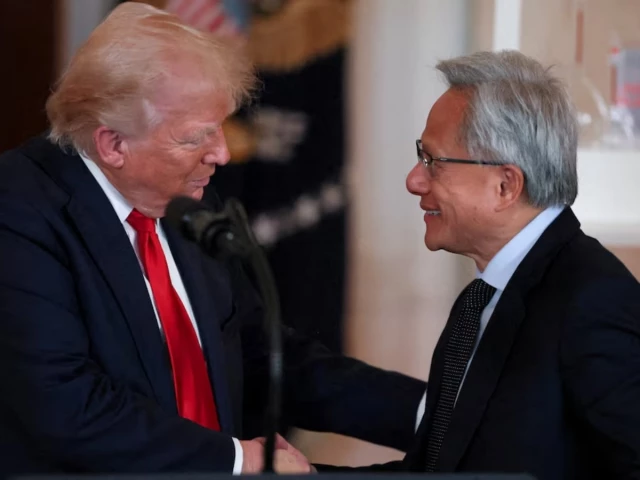
The declaration, titled the “San Francisco Declaration on the Secure Foundations of Enduring Prosperity”, was signed by the United States, Japan, Australia, Israel, the United Kingdom, South Korea, India, Qatar and the United Arab Emirates, the Financial Times reported. It was presented by Jacob Helberg, the US under-secretary of state for economic affairs, as the next stage of Pax Silica, the US-led AI supply-chain initiative launched in 2025.
The signatories intend to identify technologies and infrastructure requiring particular protection, coordinate measures to improve supply security, and develop new industrial and investment hubs linked to artificial intelligence. Dedicated working groups are expected to carry out the detailed work — but the locations of any hubs, their financing arrangements and investment timetables have not yet been specified.
The US State Department had not published the new declaration text as of Sunday evening, so the only public account of what was agreed is the Financial Times report, based on Helberg’s briefing. Everything in this article about the declaration’s contents is attributed to that report.
Nine governments have signed a promise to protect AI supply chains together — but the public has not yet seen the document they signed.
What They Agreed to Protect
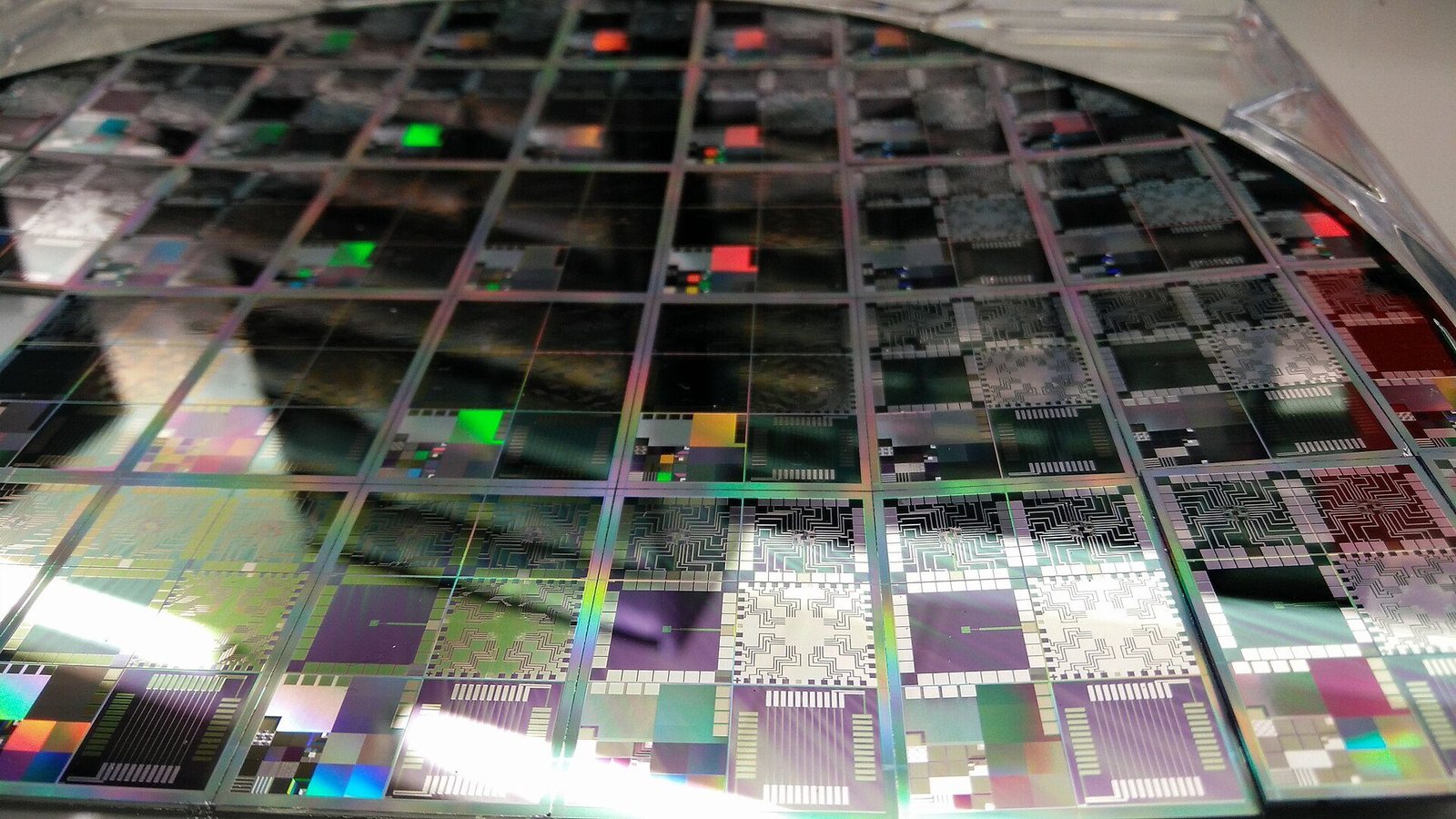
The declaration commits the signatories to build a joint list of sensitive AI technologies and critical supply chains needing protection from theft or unauthorised transfer. The list covers semiconductors, critical minerals, energy and industrial capacity — the foundations on which advanced AI is built.
The thinking behind the list is that the security of the nine countries cannot be separated from the security of their economies and those of their closest partners. Protection should cover the key foundational technologies essential to economic security: software, materials, knowledge, components and inputs essential to AI supply chains — anything whose theft, illicit transfer or acquisition by hostile actors would confer a meaningful military or intelligence advantage, or undue economic leverage, or whose unauthorised transfer or misuse could pose significant risks to the participants’ economic and national security.
The supply chain the declaration covers is spread across several economies, and no single country controls it. The United States is strong in chip design, Japan supplies materials and manufacturing equipment, and South Korea is one of the world’s leading producers of memory chips. Disruption in any of these segments could restrict access to the components needed for data centres and AI systems — which is why the agreement treats supply-chain resilience as a shared responsibility rather than a national one.

Pax Silica, the Wider Project
The San Francisco Declaration advances Pax Silica, the US-led initiative launched in 2025 to strengthen AI-related supply chains and cut dependence on China. The original Pax Silica declaration has 25 signatories — 24 countries plus the European Union — and the EU joined the framework in June 2026.
Pax Silica was announced to bring participants together to work on the vital parts of the global technology supply chain: frontier foundation models, compute and semiconductors, advanced manufacturing, minerals refining and processing, and energy. The San Francisco Declaration is a narrower, deeper step inside that wider group: nine governments agreeing to treat the protection of those technologies and the infrastructure behind them as a shared responsibility, and to turn shared principles into a working partnership.
The China Question
China is not named as an enemy in the reporting of the declaration, but its shadow is the reason the document exists. The Financial Times framed the accord as protecting AI supply chains from China, and China’s dominant position in the processing of critical minerals — including rare earth elements, used to manufacture permanent magnets for the energy sector, industrial automation and electronic equipment — is one of the main reasons behind the initiative.
Beijing has used its position in critical-mineral supply chains as a source of economic leverage. The United States is trying to expand extraction and processing outside China by working with countries that have the necessary resources, technology and capital. The partnership is intended to support alternative sources of supply and to protect technology against theft and unwanted transfer — and it also covers energy infrastructure, as expanding data centres require increasing volumes of electricity.
The reports of the signing describe no new export controls, no chip-tracking requirements and no named companies. The declaration, as reported, is a political commitment to coordinate — not yet an enforcement regime.
Europe Waits Its Turn
Germany, Sweden, the Netherlands and the European Commission are expected to sign the declaration in the week after 15 November, according to the Financial Times. They were not among the nine signatories announced on Sunday.
Negotiations over the new declaration proved more difficult in Europe because some EU governments had reservations about the proposed wording and the scope of the commitments. EU member states authorised the European Commission to conduct negotiations on 11 November — a mandate that did not amount to approval of the final text — and Brussels wants to retain its ability to set its own rules for the digital market.
The Timing: Four Days Before Shenzhen
The declaration was signed days before President Donald Trump is scheduled to meet China’s Xi Jinping at the APEC summit in Shenzhen on Thursday, 19 November. Access to rare earth materials remains one of the main points of tension in trade relations between the two countries, and the signing puts the AI supply-chain question on the table just as the two leaders meet.
- Who signed: the United States, Japan, Australia, Israel, the United Kingdom, South Korea, India, Qatar and the United Arab Emirates — nine countries.
- What they promised: a joint list of sensitive AI technologies and critical supply chains to protect, covering semiconductors, critical minerals, energy and industrial capacity, with working groups and new investment hubs to follow.
- Who is expected next: Germany, Sweden, the Netherlands and the European Commission.
- What is missing: the published text, the hub locations, the financing and any timetable — none of these has been set out yet.
The San Francisco Declaration does not build a single chip factory or open a single mine. What it does is put nine of the world’s most important technology powers on record, four days before Trump meets Xi, as agreeing that the supply chains behind AI are a security question — and that they will defend them together.
By Akhtar Saleem Khan
Head of IT | The BNN Media – The Best News Network
News Beyond the Borders