By
The International Energy Agency has warned that the world’s data centres will use twice as much electricity by 2030 as they do today, with artificial intelligence driving about three-quarters of the growth — and that the sector’s carbon emissions are on track to rise 70 per cent as the United States and China turn to fossil fuels to power the AI boom.
By The BNN Media
The Best News Network
News Beyond the Borders
PARIS, France — The International Energy Agency (IEA) warned on Thursday, 19 November, that global data-centre electricity use will double to about 1,000 terawatt-hours (TWh) by 2030, with artificial intelligence accounting for around 75 per cent of the increase, in its annual World Energy Outlook 2026. AI data centres alone will need an extra 350 TWh of electricity every year within four years — more than the entire annual power consumption of Great Britain — and the agency said the sector’s carbon emissions are on track to rise 70 per cent by 2030.
A Doubling Driven Almost Entirely by AI
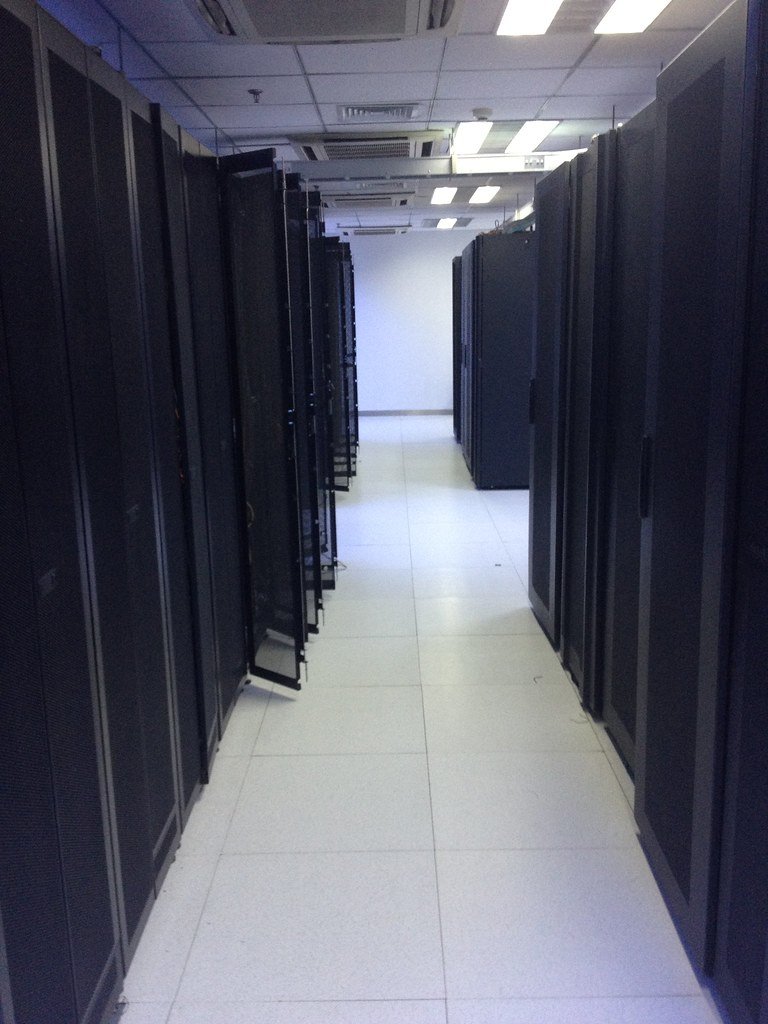
Data centres are the physical backbone of the digital economy — the warehouses of servers that store data, run cloud services and train and operate AI systems. The IEA’s new outlook puts their appetite for power in stark terms: from roughly 500 TWh today to about 1,000 TWh by 2030, and 1,500 TWh by 2035.
The growth is overwhelmingly an AI story. Annual global shipments of AI servers have climbed eighteen-fold since 2020, the agency said, and it tracked 93 large “AI factories” around the world using satellite imagery. Dedicated AI data-centre capacity has already grown tenfold in two years to about 17 gigawatts, and the IEA expects a further 120 GW of total data-centre capacity to be built by 2030, with three-quarters of it for AI.
The pace is already visible in the present. Data-centre electricity use jumped 17 per cent in 2025, while global electricity demand as a whole rose only 3 per cent. AI-focused data centres grew even faster, with their power use up 50 per cent in the year.
The numbers describe a structural shift, not a blip: the world’s fastest-growing source of electricity demand is now the machine intelligence running on top of it.
Four Trillion Dollars — and Grids That Cannot Keep Up
The money chasing the boom is on a scale the energy system has rarely seen. Investors are expected to put about $4 trillion into data centres globally by 2030, after $565 billion in 2025, the IEA said — covering buildings, chips and other electronics, as well as energy equipment such as batteries, transformers, grids and gas turbines.
But the agency warned that the build-out is running into hard physical limits. Grid connection delays and shortages of advanced chip packaging, memory chips and power equipment are acting as a brake on how fast the industry can grow. Planned data-centre capacity in Northern Virginia, Texas, Denmark and Finland already far exceeds what their grids can currently support, the IEA said.
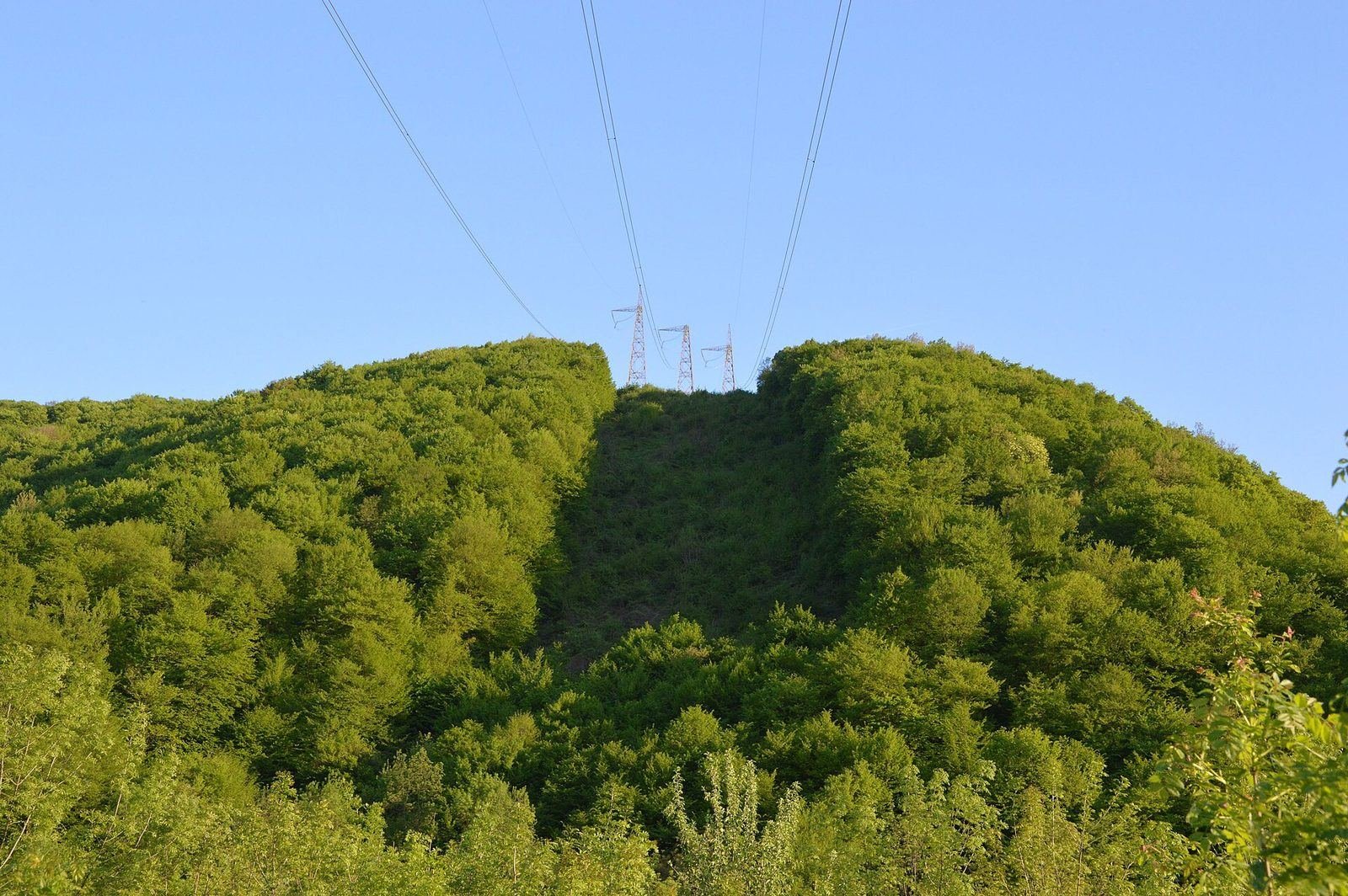
The outlook also calls for 26 million kilometres of new power lines by 2035, with about 16 million kilometres of existing lines needing replacement or refurbishment — a reminder that the bottleneck is not only generating power, but moving it to where the servers are.
Trillions are being committed to buildings full of servers; the wires to feed them are lagging years behind.
The Fuel Split: Coal in China, Gas in America, Renewables in Europe
The most uncomfortable part of the IEA’s warning is where the new power will come from. Coal and gas already supply about 60 per cent of the electricity data centres use today, and in the two largest markets the fossil-fuel share is set to grow, not shrink:
- China: About half of the electricity for the country’s AI data centres is expected to come from coal by 2030, with the rest from renewables and smaller amounts from nuclear, and very little from gas.
- United States: Gas is expected to supply about 60 per cent of data-centre electricity by 2030. The IEA identified plans for about 180 GW of new gas-fired power plants linked to US data centres as of August 2026 — more than 16 times the gas capacity planned for the same purpose in Canada.
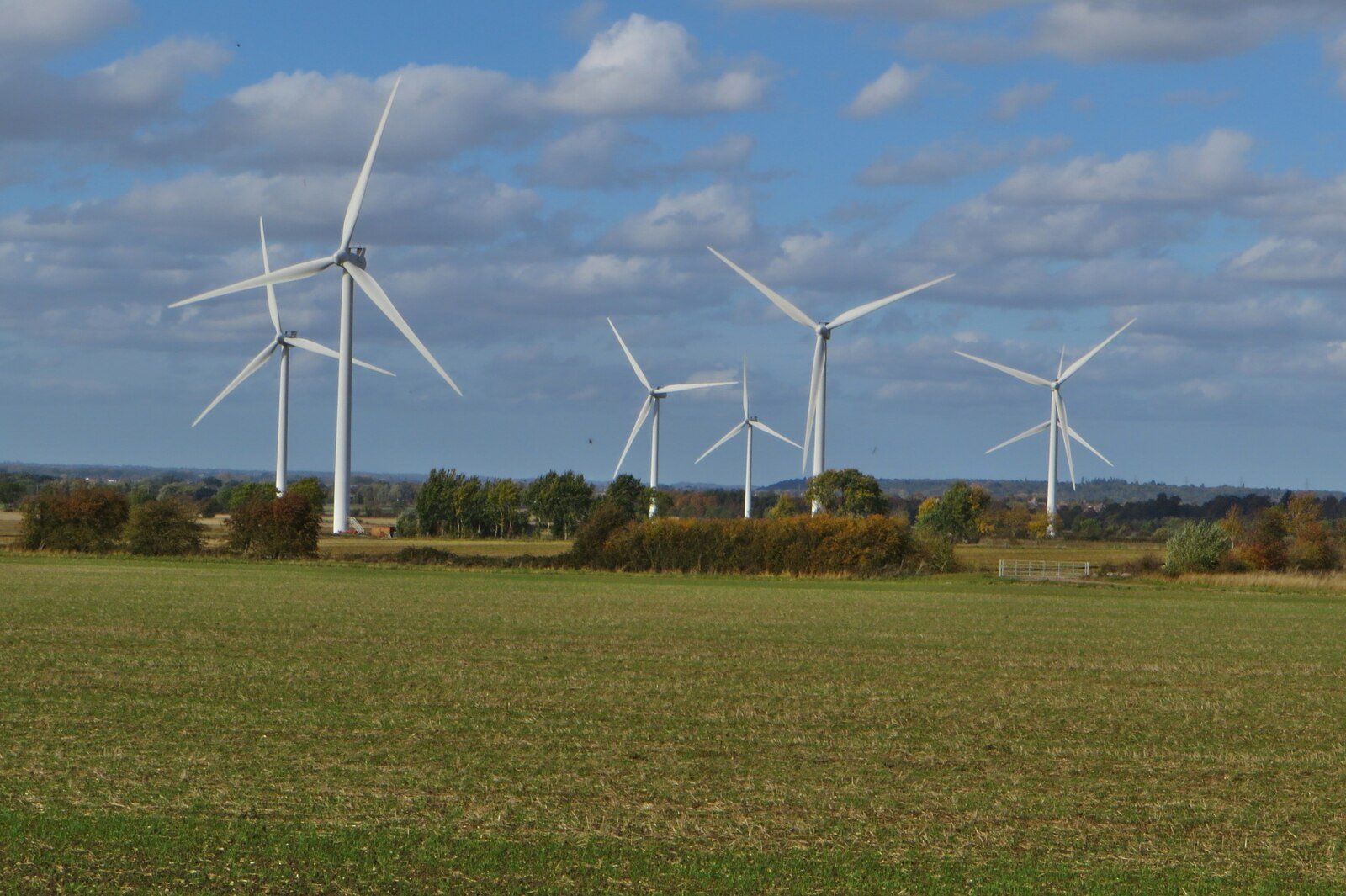
- European Union: The exception. The IEA expects renewables to provide about 70 per cent of data-centre electricity in the EU by 2030, followed by nuclear and gas, with only a very small contribution from coal.
That split is why emissions are heading the wrong way. As fossil-fuel generation for data centres grows, the sector’s emissions are on track to rise 70 per cent by 2030, the IEA said. The agency also estimates that global data-centre water consumption will rise from about 560 billion litres in 2023 to 1.2 trillion litres a year by 2030.
The same AI boom is being powered three different ways — and in the two countries building fastest, the fuel is still largely fossil.
Why the Money Keeps Flowing Anyway
The investment surge is inseparable from the wider AI race. Anthropic debuted on the Nasdaq this week after a record $81.3 billion IPO priced at $83 a share, and demand for the advanced chips that train AI models remains so intense that Nvidia has stopped shipping its H200 AI chips to China as new US export rules bite. Every new model, and every new customer, needs more computing capacity — and every unit of that capacity needs power and cooling.
The IEA was careful about what its figures are: the 1,000 TWh figure comes from its Stated Policies Scenario, which assumes policies already in force plus those governments have formally proposed. The agency stresses that none of its scenarios is a forecast, so the 2030 result is a conditional pathway rather than a prediction — but the direction of travel is the same across its scenarios, and the bottlenecks it identifies are already binding today.
The agency also warned that the wider energy outlook has grown more uncertain after the disruption linked to the Middle East war, which it has described as the greatest energy market disruption in history. Its executive director, Fatih Birol, said he did not see “any credible pathway for the energy world to return to the way it was before.”
The AI boom is not waiting for the energy transition to catch up — and the IEA’s message is that the gap between the two is now the central energy question of the decade.
What Happens Next
The test of the IEA’s warning will come in three places: whether grids in the biggest data-centre hubs can connect new capacity fast enough; whether the supply chains for chips, transformers and power equipment ease; and whether the fossil-heavy power mix in the US and China begins to shift as renewables and nuclear scale up. For now, the agency’s numbers point the other way — more power, more fossil fuel, and more emissions, all driven by the machines learning fastest.
By The BNN Media
The Best News Network
News Beyond the Borders