
 By
Mogadishu has told the Emirates’ envoy to pack his bags and recalled its own ambassador from Abu Dhabi, in the sharpest break yet in a feud over ports, regional states and sovereignty that has been building since Somalia tore up its agreements with the UAE in January.
By Umar Farooq
Journalist — UAE | The BNN Media – The Best News Network
News Beyond the Borders
Mogadishu, Somalia — Somalia’s government on Thursday, 19 November 2026, ordered the United Arab Emirates ambassador to leave the country within 72 hours and recalled its own envoy from Abu Dhabi, accusing the Emirates of violations of Somali sovereignty that it said amounted to an “open invasion”.
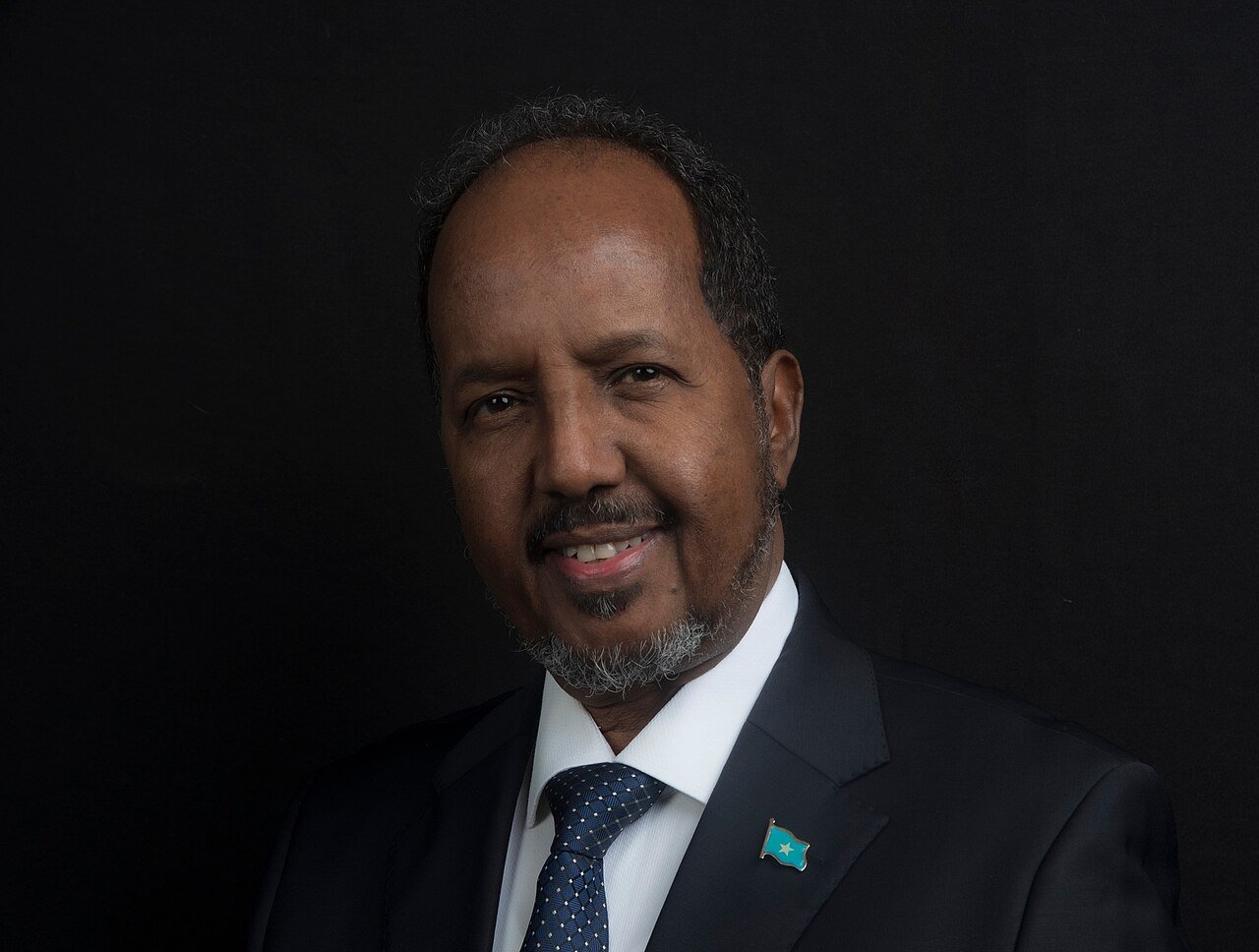
The decision was announced by Information Minister Abdifatah Kasim Mohamud after a weekly cabinet meeting in Mogadishu chaired by Prime Minister Hamza Abdi Barre. Ministers had reviewed a report from the Foreign Ministry on what the government described as threats to Somalia’s sovereignty, independence and national security — and instructed the ministry to formally notify the Emirati ambassador, Ahmed Juma Al-Rumaithi, that he must leave, and to present Somalia’s case to foreign governments and international organisations.
“Measures will be taken against anyone who cooperates with UAE in the invasion against Somalia,” Mr Mohamud said in a broadcast on the state-run news agency. “All Somalis are urged to defend their country and unite against the open invasion of the UAE against the sovereignty, security, land and unity of Somalis.”
What Mogadishu Accuses the UAE Of
The minister did not spell out a single incident that triggered the expulsion. But the accusations behind it were set out two days earlier, in a televised address on Tuesday 17 November by President Hassan Sheikh Mohamud, who accused the UAE of undermining Somalia’s sovereignty through unauthorised military arrangements, support for armed groups outside federal control, and deals with regional administrations over strategic ports without Mogadishu’s consent.
According to the state news agency, the president alleged that Abu Dhabi had:
- signed port agreements involving Berbera in Somaliland, Bosaso in Puntland and Kismayo in Jubaland with regional authorities rather than with the federal government;
- helped set up military bases and forces outside the national command;
- financed political divisions inside Somalia and engaged in proxy activities;
- and used Berbera port in January 2026 to facilitate the departure of a fugitive Yemeni militia leader without federal authorisation.
He also linked Abu Dhabi to Israel’s recognition of Somaliland, the breakaway region whose status is at the heart of the dispute. The defence minister, Ahmed Moalim Fiqi, put the message more bluntly on X, addressing the ambassador directly: “Pack your bags and leave.”
Mogadishu’s charge is sweeping — but it is, for now, Mogadishu’s charge. The government has not published evidence for the specific allegations, and the UAE denies them.
Abu Dhabi Hits Back
The UAE’s response was swift and sharp. Its Foreign Ministry said it “strongly denounced the escalatory and hostile approach” of the Somali government and expressed regret over what it called attempts “to bring its internal power struggles into bilateral relations”. The expulsion, it said, reflected “irresponsible positions that undermine bilateral relations and weaken the foundations of cooperation between the two countries”.
Anwar Gargash, a diplomatic adviser to UAE President Sheikh Mohamed bin Zayed Al Nahyan, accused President Mohamud on X of putting personal political calculations ahead of Somalia’s national interests. The ministry also pointed out that the UAE had already closed its embassy in Mogadishu and withdrawn its diplomatic staff in January, and said it remained committed to its ties with the Somali people, including the large Somali community living in the UAE.
The UAE has long denied meddling in Somalia’s affairs. It has, in the past, helped fund and train Somalia’s military and backed ports and other commercial ventures in the country — a history both sides now describe very differently.

A Rupture That Began in January
Thursday’s expulsion did not come out of nowhere. It is the sharpest step yet in a dispute that escalated in January 2026, when Somalia’s federal government annulled all of its agreements with the UAE — covering ports, government institutions, and security and defence cooperation. The UAE, in turn, closed its embassy in Mogadishu and withdrew its staff, saying the Somali government had taken hostile actions including the cancellation of bilateral agreements.
Since then, the two governments have quarrelled over several issues, including Abu Dhabi’s perceived support for Israel’s recognition of Somaliland. The ports at the centre of the row — Berbera, Bosaso and Kismayo — are among the most strategically valuable on the Horn of Africa’s long coastline, and control over them has long been contested between Mogadishu and the regional administrations that run them in practice.
Thursday’s decision moves the dispute from diplomatic protest to direct action against the UAE’s diplomatic representation — even though, with the embassy already closed since January, the ambassador’s physical departure is as much a symbol as a practical step.
A President Under Pressure at Home
The row is also unfolding against a domestic political crisis in Somalia. The country’s Supreme Court ruled earlier this month that President Hassan Sheikh Mohamud’s term has expired and ordered elections within 90 days. An ongoing dispute over the elections has already sparked armed clashes in Mogadishu earlier this year, and no replacement mediator has been agreed.
That context is exactly what Abu Dhabi points to: the UAE Foreign Ministry’s statement accused the Somali government of dragging “its internal power struggles into bilateral relations”, and Mr Gargash’s intervention accused the president of allowing personal political considerations to shape relations between the two countries. Mogadishu, for its part, has urged Somalis and community leaders to unite against what it calls Emirati aggression, and warned that measures would be taken against anyone who does not comply.
What Happens in the Next 72 Hours
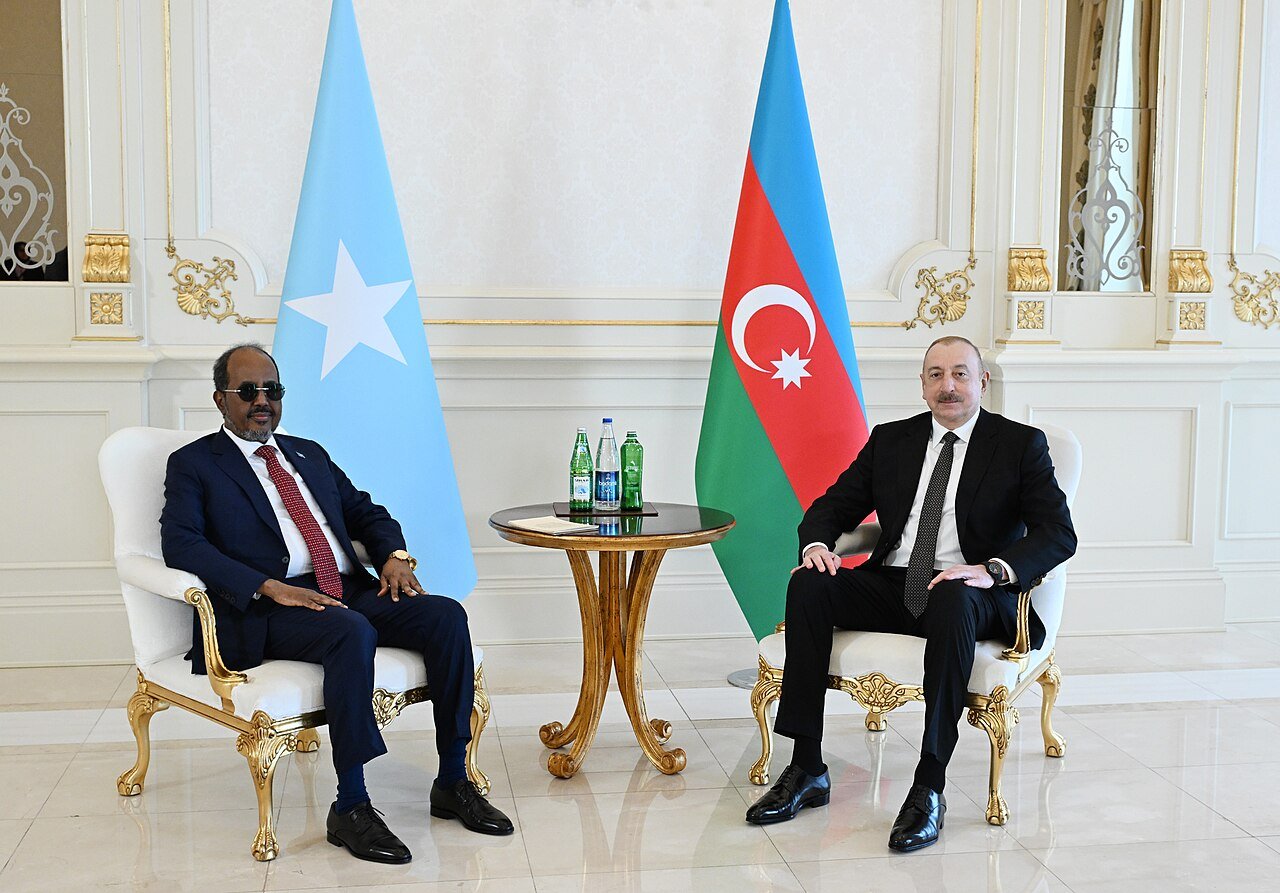
The deadline for the ambassador’s departure falls on Sunday, 22 November. What happens after it has not been reported. Somalia’s Foreign Ministry has been told to take the matter to the international community, and Mogadishu says it will pursue lawful measures against actions it considers violations of its sovereignty and territorial integrity.
For the Gulf, the episode is a reminder of how quickly a partnership can collapse. The UAE was once one of Somalia’s closest Arab partners — a funder of its army, an investor in its ports and a host to one of the largest Somali communities abroad. Now the two governments are trading accusations of invasion and irresponsibility in public, with no mediator in sight and a 72-hour clock running.
An ambassador told to leave, an envoy recalled, and two governments accusing each other of bad faith: the Somalia–UAE rupture is now complete, and the ports and politics that caused it remain exactly where they were.
By Umar Farooq
Journalist — UAE | The BNN Media – The Best News Network
News Beyond the Borders
Sources: Reuters, 19 November 2026; Associated Press (via The Reflector), 19 November 2026; Addis Standard, 19 November 2026; Al Jazeera (via African Bulletin 24 and What’s New Paper), 19–20 November 2026; UAE Ministry of Foreign Affairs statement, 19–20 November 2026.




One thought on “Somalia Orders UAE Ambassador to Leave Within 72 Hours, Accusing Abu Dhabi of ‘Open Invasion’”