By
A once-a-day pill combined with standard chemotherapy shrank or eliminated tumours in six out of ten patients with advanced pancreatic cancer that had spread — and in about one in 12, the cancer could no longer be seen on scans at all. Doctors call the results a potential breakthrough, but warn the trial was small and had no comparison group.
By The BNN Media
The Best News Network
News Beyond the Borders
Barcelona, Spain — A daily pill called daraxonrasib, given together with standard chemotherapy, caused substantial tumour shrinkage in patients with pancreatic cancer that had spread to other parts of the body, according to new results from an early-phase clinical trial presented on Friday, 20 November 2026.
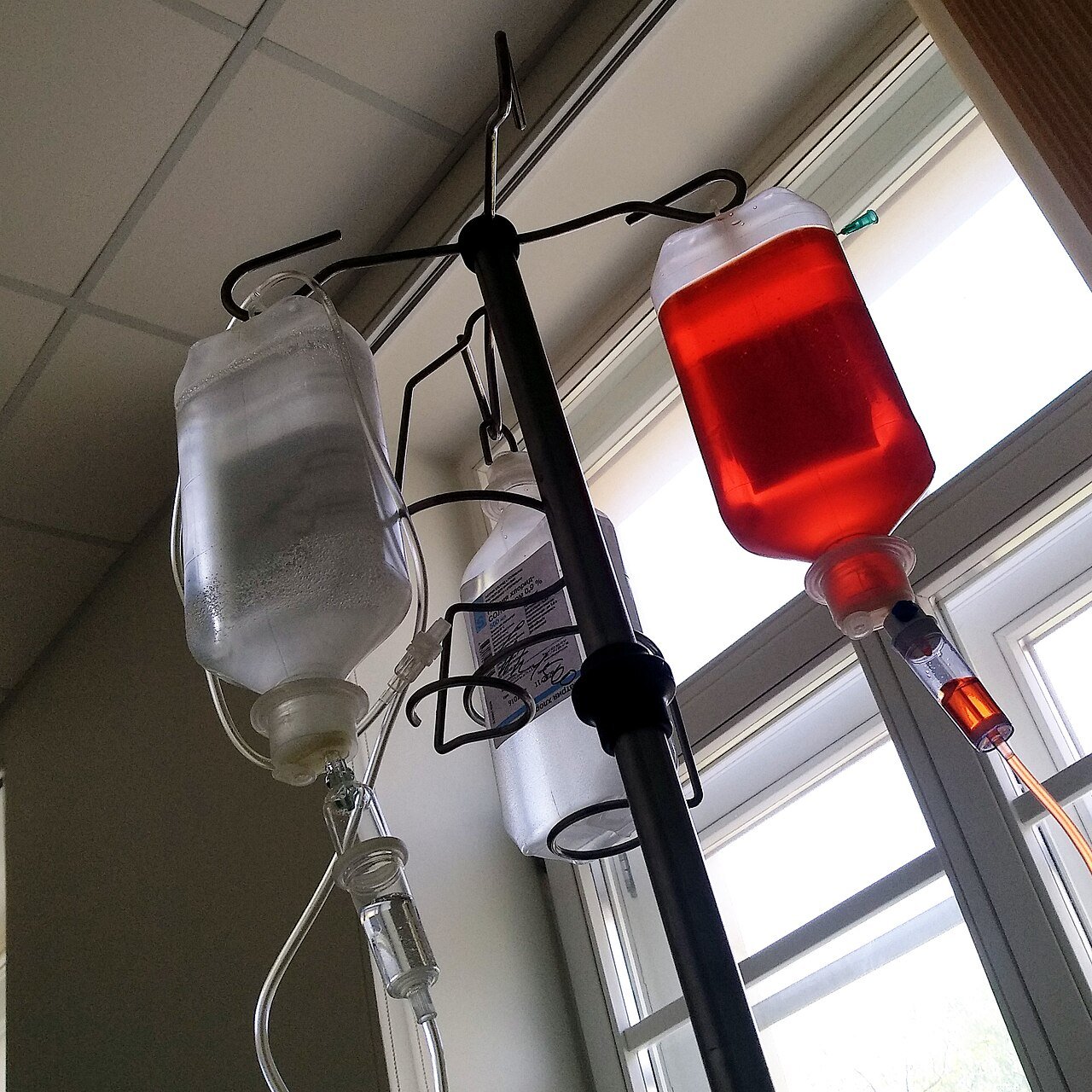
In the trial, tumours shrank or disappeared in 60.7 per cent of the 61 patients who received the combination, and in 8.2 per cent — about one in 12 — tumours were no longer detectable on scans. Tumours stopped growing in 90.2 per cent of patients, and half of the patients went at least 12.8 months before their cancer grew again or they died. An estimated 76.6 per cent were still alive one year after starting treatment.
A Disease With Few Good Options
Pancreatic cancer remains one of the most difficult cancers to treat, particularly once it has spread. More than half of patients are diagnosed only after the disease has already reached other organs, and most patients with metastatic pancreatic cancer treated with standard chemotherapy survive for between eight and eleven months. Only three per cent are alive five years after diagnosis, according to figures cited by the trial team from the US National Cancer Institute.
With chemotherapy alone, tumours shrink in only 23 to 42 per cent of patients, and most tumours start growing again after five to six months. In Britain, around 11,500 people are diagnosed with pancreatic cancer each year and around 10,200 die of the disease, according to Cancer Research UK. The charity Pancreatic Cancer UK says half of people with the disease die within three months of diagnosis.
Dr Wungki Park, a gastrointestinal medical oncologist at Memorial Sloan Kettering Cancer Center in New York and the trial’s principal investigator, said the disease urgently needed treatments that could achieve deep responses and prolong control. “For most patients with previously untreated metastatic pancreatic cancer, chemotherapy remains the foundation of treatment,” he said. “Although chemotherapy can shrink tumours by a modest amount and help some patients, the cancer frequently develops resistance and begins growing again.”
For a cancer where most patients live less than a year on standard treatment, a combination that kept three-quarters alive at twelve months is a result doctors have not seen before.
How the Pill Works
The new treatment targets a genetic fault found in the vast majority of pancreatic cancers. More than 90 per cent of pancreatic cancers carry a mutation in the RAS gene, which acts like a molecular switch telling cells when to grow. In pancreatic cancer the switch becomes stuck in the “on” position, continuously signalling cancer cells to divide and grow.
For decades, RAS was considered one of the hardest targets in cancer medicine — so difficult to drug that scientists called it “undruggable”. Daraxonrasib is designed to switch off the active form of the RAS protein, known as RAS (ON), and cut the signals that pancreatic cancer cells depend on to survive. Dr Sam Godfrey of Cancer Research UK told BBC News the drug had “found a way of drugging the undruggable”.
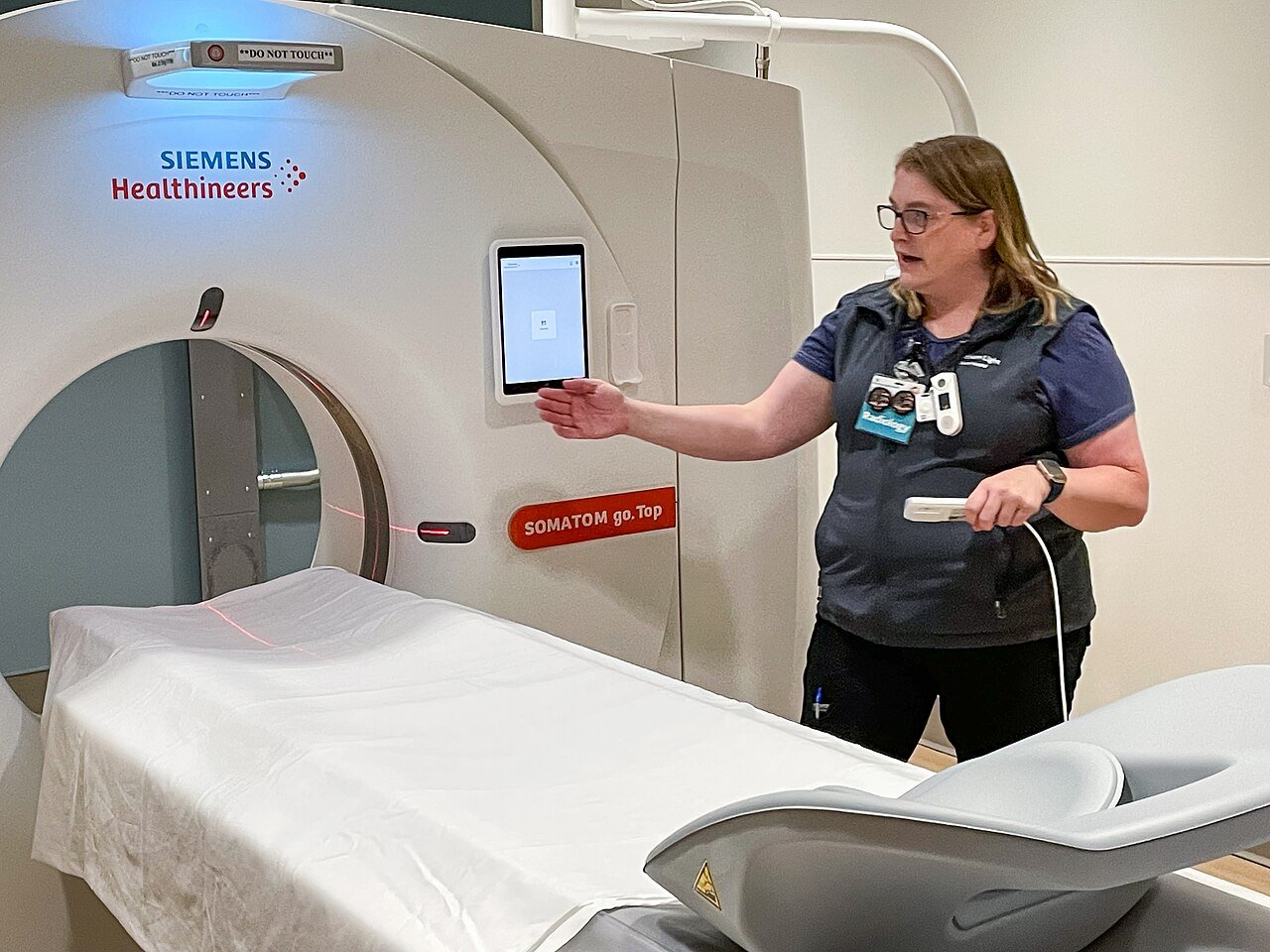
The trial, known as RMC-GI-102, tested whether attacking that genetic driver at the same time as giving chemotherapy could overcome the resistance that usually limits chemotherapy’s effect. Patients took 200 mg of daraxonrasib by mouth once a day, together with two chemotherapy drugs — gemcitabine and nab-paclitaxel — given by intravenous infusion on days 1 and 15 of each treatment cycle.
What the Trial Found
The results were presented at the 38th EORTC-NCI-AACR Symposium on Molecular Targets and Cancer Therapeutics in Barcelona, in a plenary session on advances in targeting RAS. As of the data cut-off on 28 September 2026, 61 patients had received the combination, with a median follow-up of 18.3 months. All of the patients had metastatic pancreatic cancer that had not previously been treated for its spread.
The headline figures were:
- Objective response rate 60.7 per cent: tumours shrank by a measurable amount or disappeared in just over six in ten patients.
- Complete responses 8.2 per cent: in about one in 12 patients, tumours were no longer detectable on CT scans.
- Disease control rate 90.2 per cent: tumours stopped growing in nine out of ten patients.
- Median progression-free survival 12.8 months: half of the patients went at least this long before their tumours returned or started growing again — nearly double the five to six months typically seen with chemotherapy alone.
- Twelve-month overall survival 76.6 per cent: an estimated three-quarters of patients were alive a year after starting treatment, compared with around 40 to 45 per cent on chemotherapy alone, according to figures reported by the Press Association.
Dr Park, who presented the findings, told the Press Association he had never seen such responses. “In about one in 12 patients, it [the cancer] completely disappeared,” he said, calling the results “a massive, massive breakthrough” in treating pancreatic cancer. “The median follow-up is 18 months. Just imagine, in an average of 18 months your disease just disappears on the CT scan … that’s closest to complete remission … it’s incredible.”
Professor Elena Garralda, chair of the symposium and co-director of the clinical research programme at the Vall d’Hebron Institute of Oncology in Barcelona, who was not involved in the study, said the results were exciting because the combined treatment could potentially improve patients’ overall survival as well as the time before tumours start growing again. She added that the study showed RAS-targeted therapies could be combined with existing treatments and given immediately as first-line therapy, “enabling the treatment to start at an earlier stage in the course of advanced disease”.
Side Effects and Safety
The most common side effects reported in the trial were rash, diarrhoea and fatigue, along with side effects already associated with chemotherapy, such as cytopenia — a reduction in some blood cells. The trial team said these were managed adequately with standard medical interventions. Stopping treatment because of side effects linked to daraxonrasib was infrequent, occurring in five per cent of patients.
Doctors stress, however, that the safety picture is still incomplete. The trial followed patients for an average of about a year and a half, and longer follow-up will be needed to know how durable the responses are and whether side effects emerge over time.
The treatment appears tolerable so far — but a year and a half of follow-up cannot yet answer how long the benefit lasts.
Why Doctors Are Urging Caution
For all the excitement, the researchers themselves were careful to underline the limits of the evidence. RMC-GI-102 is an early-phase, phase I/II study with only 61 patients, and — crucially — it had no comparison group. Patients were not randomly assigned to receive either the combination or chemotherapy alone, so the trial cannot prove how much of the benefit came from the pill rather than from the chemotherapy or from the patients selected for the study. The results have also not yet appeared in a peer-reviewed journal.
Dr Park was direct about this. “This is an early-phase study, and the results must be interpreted carefully because patients were not compared with patients receiving chemotherapy alone,” he said. “The next step is to determine whether these remarkable early findings translate into improved outcomes in a large randomised clinical trial.”
Dr Madina Kara, head of research at Pancreatic Cancer UK, struck the same balance. “Half of people with pancreatic cancer die within three months of diagnosis and their loved ones would give anything to spend more precious time with them,” she said. “This is a small, initial study, however these encouraging results now show that daraxonrasib and chemotherapy can be effective when used in combination.”
The numbers are the best yet seen for this disease — but until a randomised trial tests the combination against chemotherapy alone, they remain a promise, not proof.
What Happens Next
The decisive test is already under way. A global phase III trial, RASolute-303, is evaluating daraxonrasib both on its own and in combination with gemcitabine and nab-paclitaxel, compared with chemotherapy alone, in a much larger group of patients. Dr Park is also the principal investigator of that trial, and said the RMC-GI-102 results “provide important clinical evidence supporting the treatment strategy now being evaluated in the RASolute-303 study”. The trial has enough patients enrolled in the United States, with some places still available at sites in Europe, according to reports of the presentation.
Daraxonrasib is not new to regulators. The US Food and Drug Administration (FDA) approved the pill on 26 August 2026 — under the brand name Rasonque — for patients whose cancer had kept growing after earlier treatment, or who could not take combination chemotherapy. That approval rested on a separate phase III trial, RASolute-302, in which 500 patients were randomly assigned to the pill alone or to chemotherapy: median survival was 13.2 months with the pill against 6.7 months with chemotherapy. It is the latest in a run of first-of-a-kind drug approvals by the US regulator, which has also approved the first drug shown to help children with a rare fatal disease live longer.
The implications may reach beyond pancreatic cancer. RAS mutations also drive certain lung, bowel, biliary tract, appendiceal and gynaecological cancers, and the trial team said separate clinical trials would be needed in each of those diseases to see whether the same combination could help. The study was sponsored by Revolution Medicines, the California company that developed daraxonrasib.
For patients and families facing pancreatic cancer today, the message from Barcelona is one of cautious hope: a pill that attacks the cancer’s genetic engine, combined with the chemotherapy doctors already use, has produced the deepest responses yet seen in this disease. Whether it can deliver longer life in a rigorous head-to-head trial is the question the next study must answer.
By The BNN Media
The Best News Network
News Beyond the Borders
Sources: European Organisation for Research and Treatment of Cancer (EORTC), press release on the RMC-GI-102 results presented at the ENA 2026 symposium, Barcelona, 20 November 2026; BBC News, 20 November 2026; Press Association via the Grimsby Telegraph, 20 November 2026; Revolution Medicines press release, 19 November 2026, as reported by MACCUS. Figures for chemotherapy-alone outcomes are historical comparisons cited by the trial team, not results from a head-to-head comparison in this study.