 By
By The BNN Media
The Best News Network
News Beyond the Borders
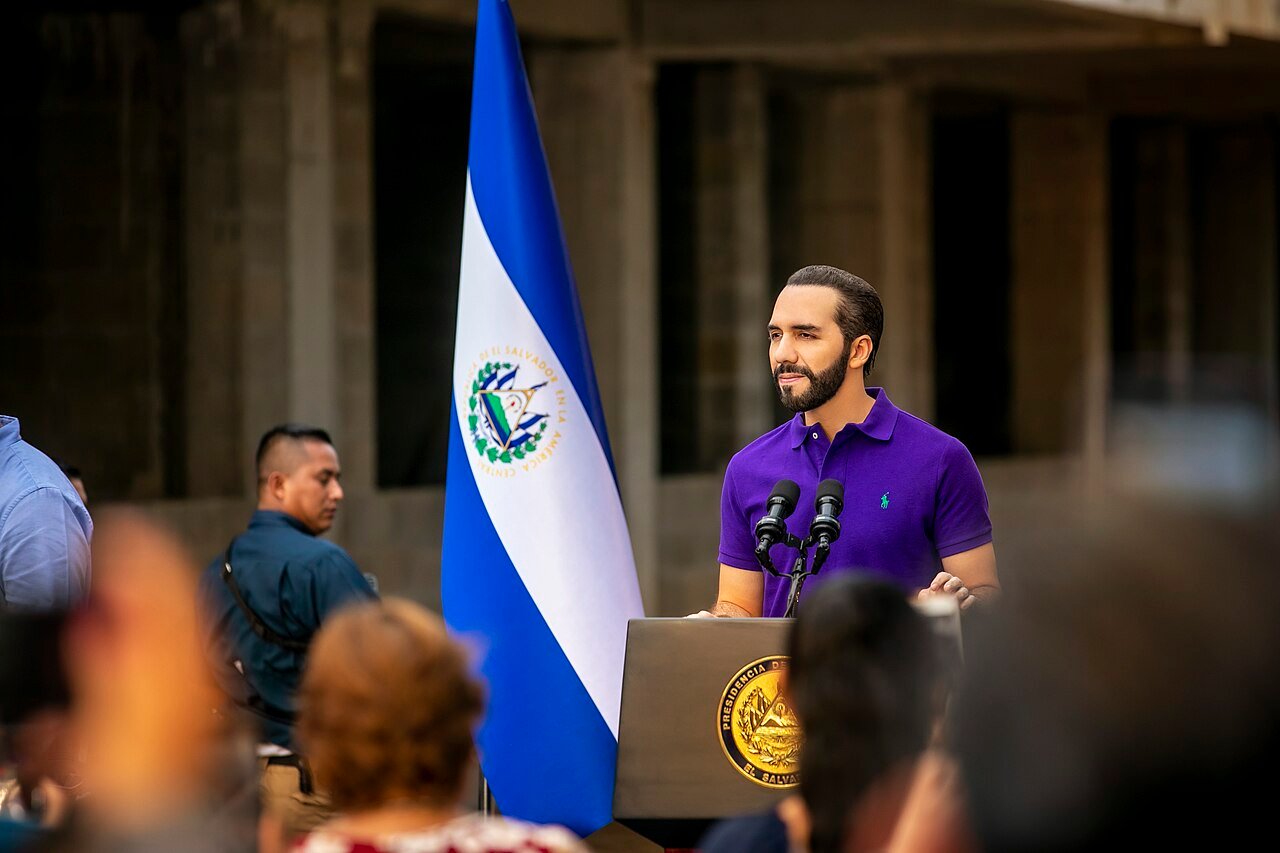
El Salvador’s President Nayib Bukele has formally registered to seek a third consecutive term in February’s elections, after his party scrapped presidential term limits — a move his critics say could let him hold power indefinitely, and one he is widely expected to win.
San Salvador, El Salvador — El Salvador’s President Nayib Bukele registered his candidacy on Thursday, 19 November 2026, to seek an unprecedented third term as president in elections due in February 2027, a contest he is widely expected to win.
Bukele, 45, finalised his registration ahead of the Thursday deadline for candidates. He is running alongside Vice President Félix Ulloa for a third consecutive term, having secured the nomination of his ruling Nuevas Ideas party in July.
No president in El Salvador’s history has served three consecutive terms. Whether Bukele wins a third will be decided by voters in February — but the rules under which he is running have already been rewritten in his favour, and that is what makes this election different from any before it.
How the Rules Were Rewritten
El Salvador’s constitution once barred consecutive presidential re-election. That barrier has been dismantled in two steps.
First, in 2021, the Supreme Court ruled that sitting presidents could seek re-election, breaking with the country’s past practice. Bukele went on to win a landslide re-election victory in 2024, which also handed Nuevas Ideas control of Congress.
Then, in 2025, the Nuevas Ideas-controlled Congress approved a constitutional amendment allowing indefinite presidential re-election — scrapping term limits altogether. The same amendment:
- Extended presidential terms from five years to six years
- Abolished second-round run-off votes
- Rescheduled the presidential election to February 2027, so it coincides with the legislative and municipal elections
The opposition and rights groups say scrapping term limits will allow Bukele to consolidate power indefinitely without institutional checks and balances. The government rejects those accusations.
The February vote is not only about who leads El Salvador — it is the first election held under rules that place no limit on how long a president may stay.
The Favourite — by a Distance
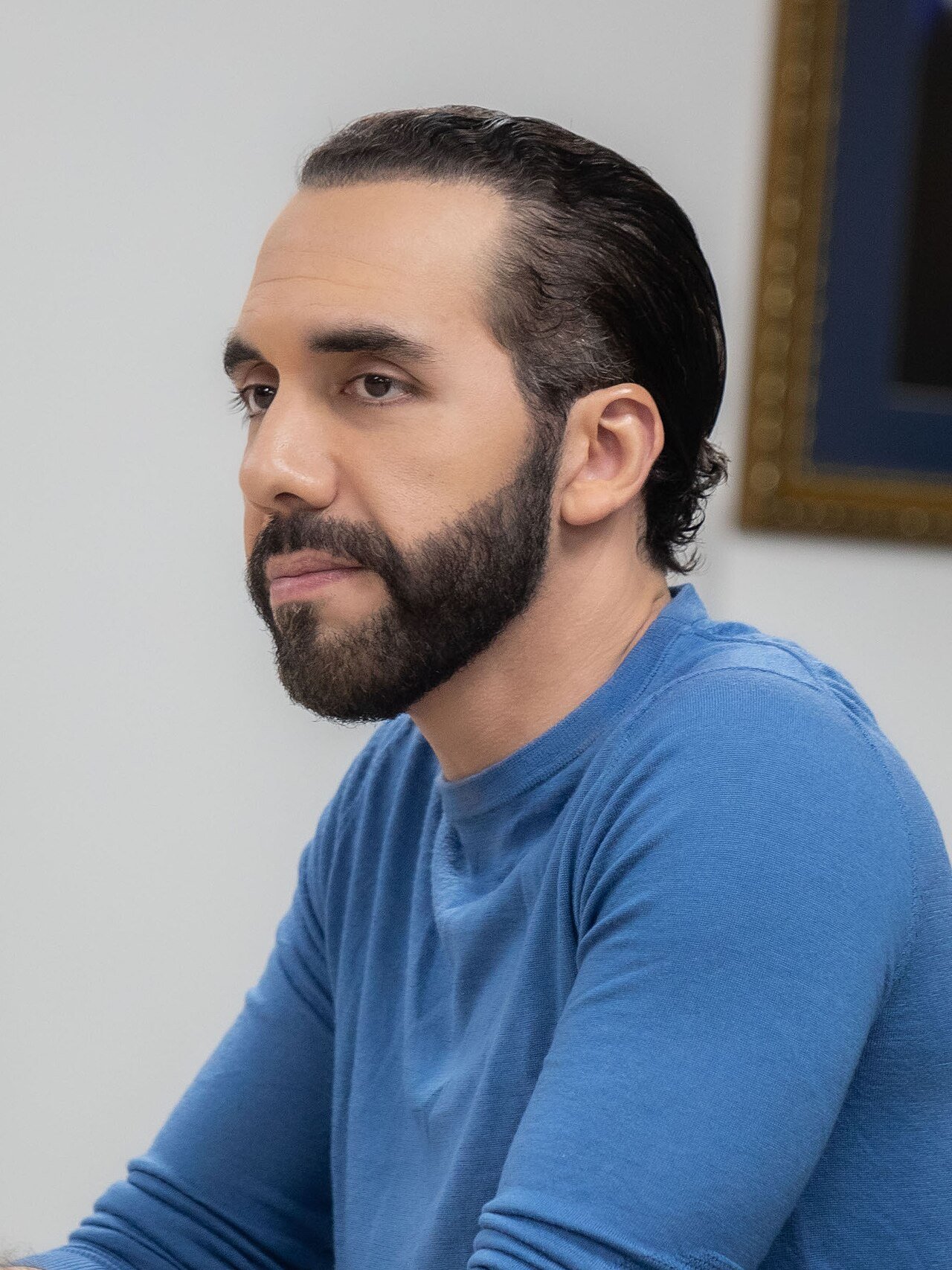
Bukele enters the race as the clear favourite. Polls cited by Reuters put his support at between 55% and 70%, with his party well ahead of opposition parties that are polling in single digits.
He will face four opposition candidates, including Maytee Iraheta of the right-wing Nationalist Republican Alliance (ARENA) and Rafael Aguirre of the left-wing Farabundo Martí National Liberation Front (FMLN) — the two parties that dominated Salvadoran politics for three decades before Bukele’s rise.
Nuevas Ideas holds 54 of the 60 seats in Congress, and the party has said it will also field candidates in the remaining districts, three of which are held by its allies and three by the opposition.
Bukele, a former publicist, was expelled from the FMLN in 2017 and came to power in 2019, ending thirty years of rule by ARENA and the FMLN. Seven years on, the parties he displaced are fighting for survival in single digits.
The Crackdown That Built His Support
The foundation of Bukele’s popularity is the aggressive crackdown on organised crime he has overseen since taking office. Under a state of emergency imposed in 2022, tens of thousands of suspected gang members have been arrested, and the government says the country is now far safer than it was when gangs controlled entire neighbourhoods.
Rights groups say the policies have harmed due process and innocent lives, pointing to mass arrests and the suspension of basic legal protections. The two main opposition parties have questioned the arrests, promised to repeal the state of emergency, and denounced what they allege are arbitrary arrests — claims the government rejects.
The government has dismissed accusations of authoritarianism, saying it is prioritising the victims of violence, not gang members. For most Salvadorans, the argument appears settled in Bukele’s favour: safety, delivered at a cost they seem willing to accept, is the bargain on which his presidency rests.
Security is Bukele’s strongest card — and the state of emergency is his critics’ strongest charge. February’s vote will test which argument Salvadorans believe.
A Model Beyond El Salvador’s Borders
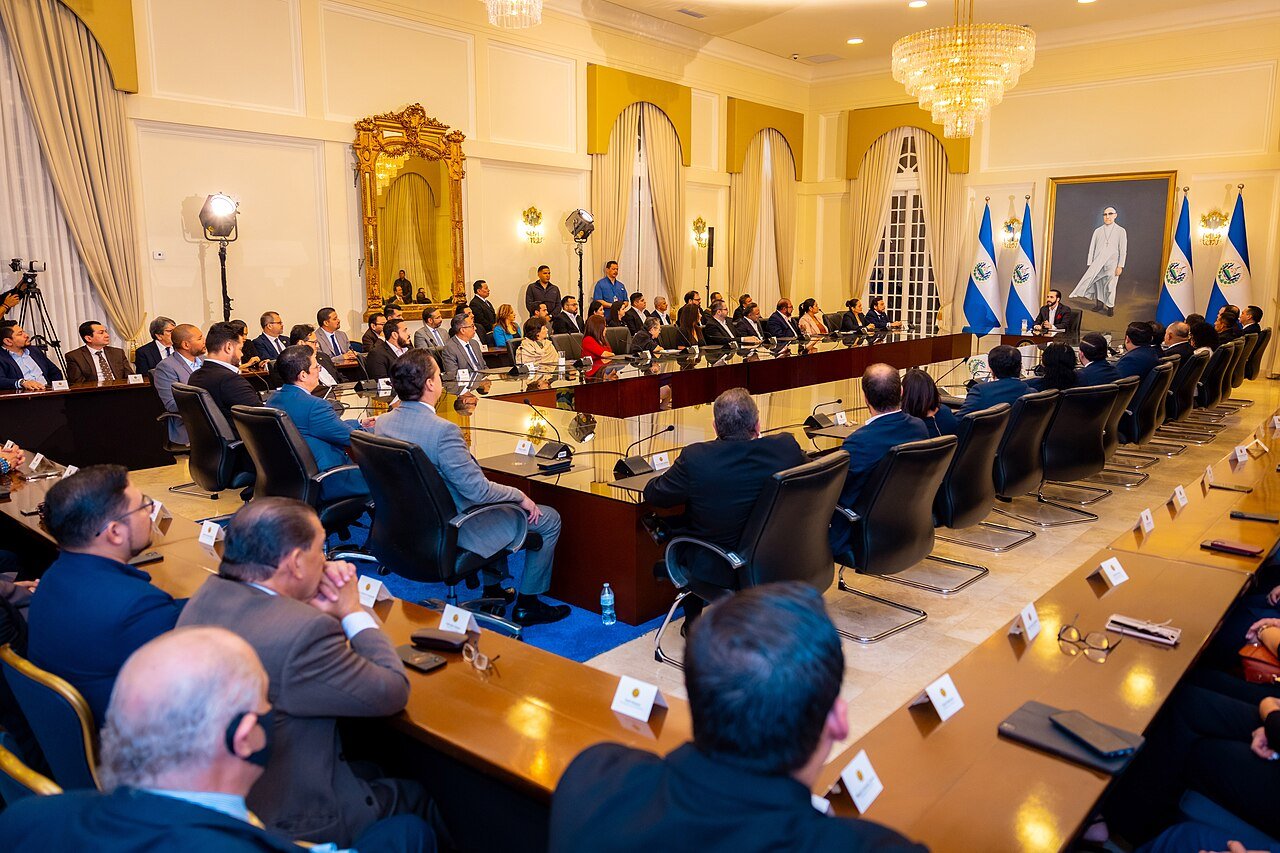
Bukele’s security crackdown has also boosted his popularity across the region, with other governments seeking to copy his model. In October 2026, El Salvador sent more than 2,000 troops to fight armed gangs in Haiti, in a rare foreign intervention after four Salvadoran members of a United Nations-backed force went missing.
Some analysts said the move, welcomed by Haiti, sought to export Bukele’s model regionally — turning a domestic security policy into a foreign policy calling card just months before Salvadorans vote.
Whatever its purpose, the deployment underlines how far Bukele’s influence now reaches beyond El Salvador’s borders, and how closely his name is tied to a hardline approach to gangs that other leaders in Latin America are watching closely.
What Happens Next
With registration closed, the campaign now turns to February 2027, when presidential, legislative and municipal elections will all be held on the same day for the first time under the new rules.
The questions that will shape the vote are already clear: whether Bukele’s security record outweighs concerns about unchecked power; whether an opposition polling in single digits can mount any real challenge; and what a third term — now of six years rather than five — would mean for a country whose constitution once forbade a president from even seeking a second consecutive term.
Bukele has not hidden his ambition, and his party has not hidden its control of Congress. The February election will show whether Salvadoran voters still see that as strength — or whether, for the first time, they begin to see it as a risk.
A third term was once constitutionally impossible in El Salvador. On Thursday, Bukele formally registered to win one. In February, voters will decide whether the new rules — and the man who benefits from them — have their approval.
By The BNN Media
The Best News Network
News Beyond the Borders