 By
By The BNN Media
The Best News Network
News Beyond the Borders
Four bodies have been recovered after a migrant boat capsized off the coast of Senegal, and rescuers fear the death toll will rise — the latest tragedy on a migration route to Spain’s Canary Islands that is busier and deadlier than ever.
Yenne, Senegal — Four people have been confirmed dead after a migrant boat capsized off the coast of Senegal, with dozens feared missing as search teams continue to comb the waters near the coastal town of Yenne, south of the capital Dakar.
The vessel went down on Wednesday, 18 November 2026, and the death toll was confirmed a day later by Boubacar Seye, president of the nonprofit organisation Horizons Sans Frontieres, who spoke to the Reuters news agency on Thursday. The number of people still missing remains unclear, and officials fear the final toll could rise significantly.
Four bodies have been recovered, but with dozens unaccounted for, this may yet become one of Senegal’s worst migration disasters of the year.
What Happened off Yenne
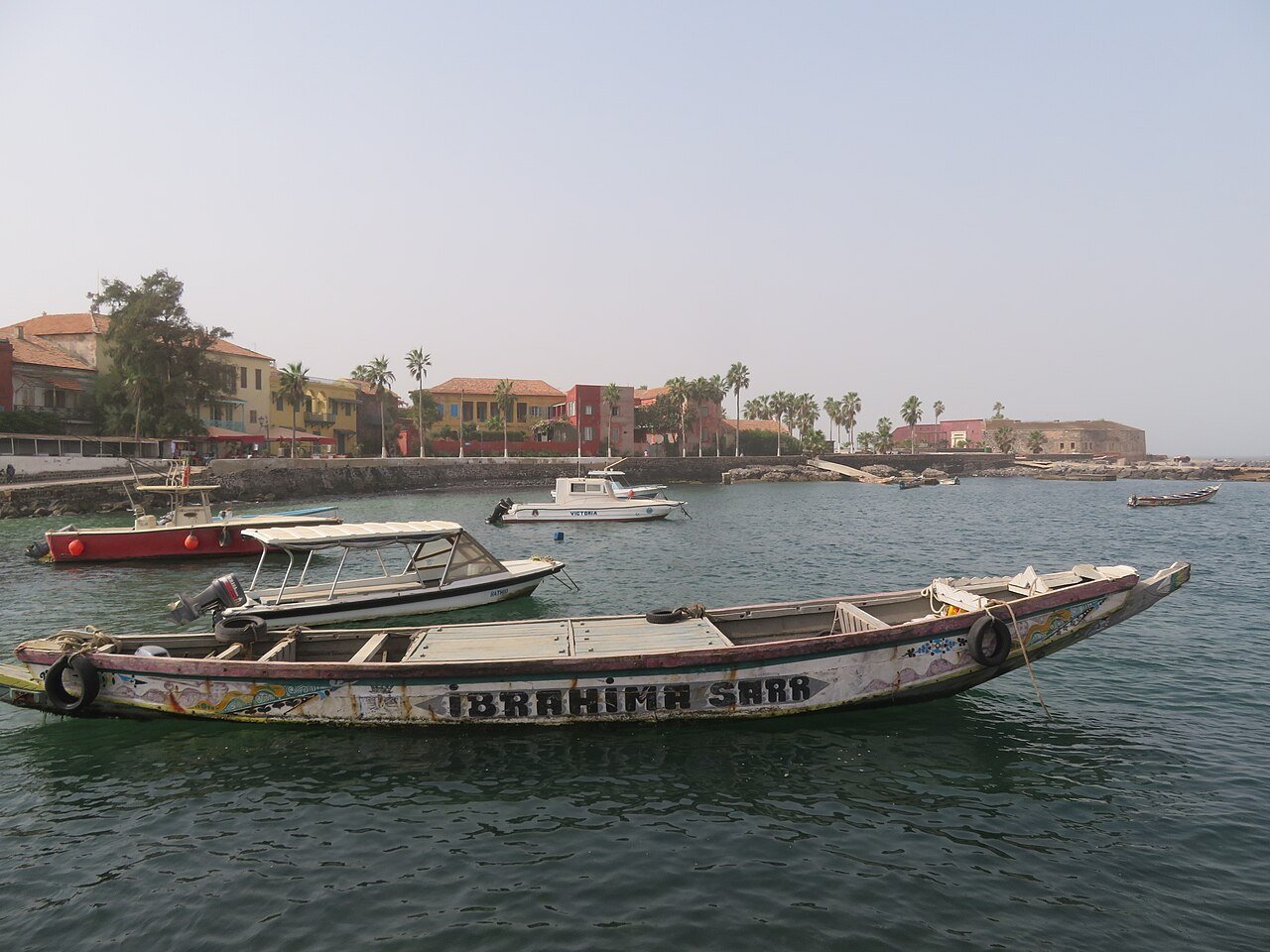
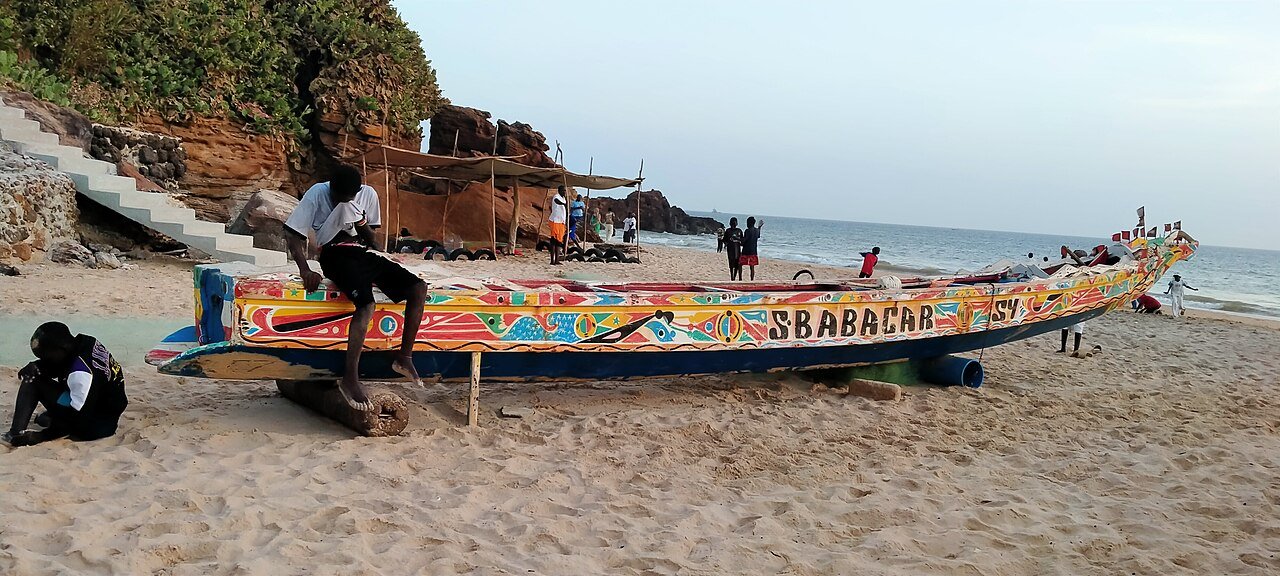
According to a local official, the boat struck a rock while migrants were being transferred from smaller fishing vessels to a larger wooden pirogue — the type of long, brightly painted wooden boat that Senegalese fishermen have used for generations and that smugglers now use to carry migrants across the Atlantic.
The accident happened in the early hours of the morning. A representative of the village chief, Oumar Sow, said the tragedy occurred at around 02:00 local time, and the badly damaged boat later washed ashore near Yenne, where personal belongings were found on board.
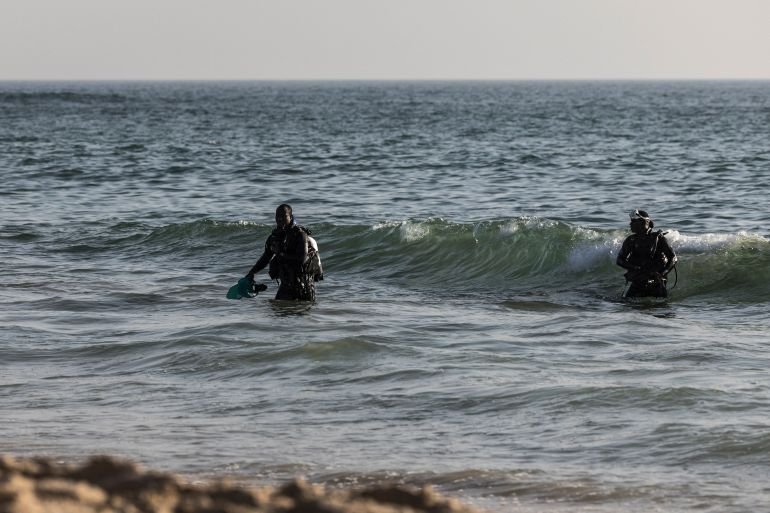
Search operations ran throughout Wednesday and resumed on Thursday, with Senegalese firefighters from a specialised diving unit working the waters near the site where the pirogue was found. Rescue teams continued to search for survivors even as hopes faded for those still missing.
A transfer between boats in the dark, a rock under the surface, and an overloaded wooden pirogue — the same combination of risks that has sunk so many boats on this route before.
How Many Were on Board
Exactly how many people were on the boat is not yet known, and the accounts so far do not agree. A local official said at least 50 people were aboard. But a survivor questioned by police said there were about 100 people on board, including five women, according to the AFP news agency.
That gap matters. If the higher figure is right, scores of people may still be missing in the Atlantic. Neither figure has been independently confirmed, and the authorities have not yet published an official passenger list or a final count of the missing.
What is clear is that the boat was carrying far more people than a wooden fishing pirogue is built to hold safely — and that it was heading for the Canary Islands, the Spanish archipelago off the coast of West Africa that has become the main destination for migrants leaving Senegal.
A Route That Keeps Claiming Lives
The Yenne disaster is the latest in a grim run of tragedies on the Atlantic route. Less than two weeks earlier, a shipwreck off the coast of Thieppe, in north-western Senegal, killed at least 39 people — one of the deadliest migration disasters the country has seen.
The United Nations refugee agency says nearly 600 people have died trying to reach the Canary Islands from West Africa so far this year, a figure that underlines how dangerous the increasingly busy route has become.
The numbers tell the same story. Spain’s Interior Ministry recorded 24,364 arrivals in the Canary Islands between 1 January and 15 November 2026, compared with 14,690 during the same period last year — an increase of nearly two-thirds. The ministry had recorded just 13,327 arrivals by the end of October, meaning 11,037 people reached the archipelago in the first 15 days of November alone.
The crossings are not slowing down. They are speeding up — and so are the deaths.
The Crackdown — and Its Limits
Senegalese authorities have stepped up patrols and arrests, but the boats keep coming. The country’s navy said it had rescued or intercepted 1,424 people on 16 and 17 November alone, including passengers aboard nine fishing boats, according to the Senegalese Press Agency (APS).
Cheikh Sadibou Senghor, head of Senegal’s National Division for Combating Migrant Smuggling, said authorities had intercepted 6,889 people in operations linked to irregular migration, prevented 107 departures and dismantled 88 smuggling networks between January and November, APS reported.
Just days before the Yenne boat capsized, authorities announced the dismantling of a suspected migrant-smuggling network in Yenne itself, arresting 14 people and seizing two boats, three engines and 12.5 million CFA francs (about $22,000), according to APS.
But Boubacar Seye, of Horizons Sans Frontieres, warned that enforcement alone would not stop the tragedies. “We need to wake up to the gravity of the situation. The strategy deployed until now is not working,” he told Reuters. “We need to fix the root causes of this problem.”
Senegalese President Bassirou Diomaye Faye has called for greater efforts to improve employment opportunities for young people. At a cabinet meeting on Wednesday, he requested a detailed assessment of the challenges facing efforts to curb irregular migration, according to a government statement cited by Reuters.
What Happens Next
The search off Yenne continues, and the death toll is expected to be updated as bodies are recovered or survivors are found. The authorities have not said when the search will end, and the fate of those still missing remains unknown.
The wider picture is unlikely to change quickly. With arrivals in the Canary Islands running at nearly two-thirds above last year’s level and November already the busiest month of the year, the Atlantic route is heading into its peak season — the calmer winter seas that smugglers favour for the crossing.
Four more bodies on a Senegalese beach, dozens more feared lost at sea, and a route that keeps filling up faster than any crackdown can empty it. Until the reasons people board these boats are addressed, the next tragedy is a matter of when, not if.
By The BNN Media
The Best News Network
News Beyond the Borders
Sources: Al Jazeera, 19–20 November 2026 (reporting Reuters and AFP); NPO Reports, 19 November 2026 (reporting AFP); Radar Africa, 20 November 2026.