By
Six years after the attack was caught on camera, a Paris court has jailed three former officers — and ruled that racism was an aggravating factor in the beating.
By Tariq Jamal
Freelance Journalist | The BNN Media – The Best News Network
News Beyond the Borders
Paris, France — A Paris criminal court on Friday night sentenced three former police officers to prison for the beating of Black music producer Michel Zecler in 2020, in a verdict that recognised racism as an aggravating circumstance in the attack. Aurélien Lapersonne, 29, was given five years in prison with three years suspended; Philippe Tondeux, 50, was given five years with three and a half years suspended; and Pierre Plantier, 37, was given five years with four years suspended. The three men were also banned for life from serving in the police.
A verdict almost six years to the day
The verdict was delivered at about 10pm on Friday, 20 November 2026, almost exactly six years after the assault on 21 November 2020. As on every other day of the two-week trial, the courtroom was packed when the presiding judge read out the sentences.
The case was heard by a panel of five judges. The three former officers were found guilty of group assault with the use of weapons that left their victim unable to work for more than eight days — in Zecler’s case, 45 days — and of falsifying an official report.
The timing mattered to everyone in the room: the court ruled on the case nearly six years to the day after the night that changed Michel Zecler’s life.
What happened on the night of 21 November 2020
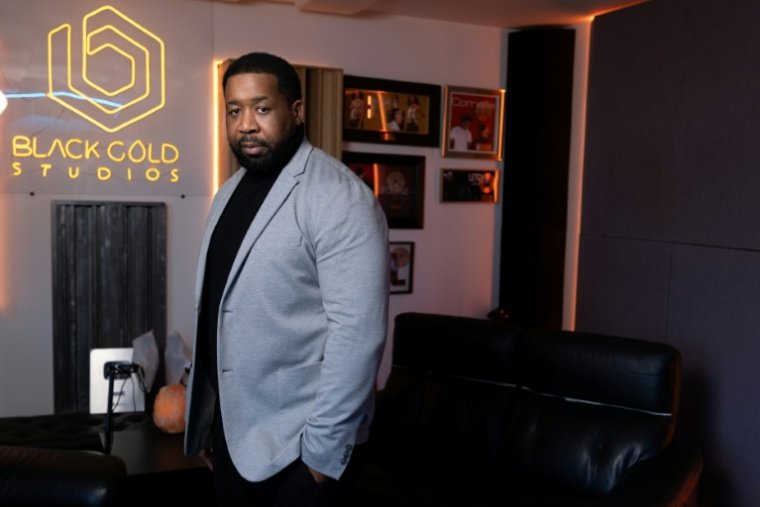
Zecler, now 47, was stopped by the three officers outside his recording studio in Paris during the Covid-19 lockdown. The officers accused him of not wearing a mandatory face mask and said they suspected him of cannabis use.
The officers then pushed him inside the studio and beat him. Security-camera footage from inside the building showed the producer suffering around 30 punches, kicks and baton strikes over about five minutes, while offering little resistance — a direct contradiction of the officers’ own account.
The footage, which spread widely after it emerged, turned the case into a cause célèbre for critics of the police in France, who say it exposed systematic racism among officers.
The false report that unravelled the officers’ story
The court also found all three men guilty of signing a falsified police report. The report claimed that Zecler had violently resisted their attempt to arrest him — a claim the CCTV footage disproved.
The judges found that the officers had drafted and signed an arrest statement they knew to be inaccurate, in order to shield themselves from disciplinary and legal consequences. It was the footage, not the paperwork, that told the true story of that night.
The officers’ own report said their victim had attacked them; the cameras showed the opposite, and it was the cameras the court believed.
Racism recognised as an aggravating factor
The most significant part of the ruling may be its finding on racism. The officers had not initially been charged with racially motivated violence, but the judges decided to recognise racism as an aggravating circumstance.
Zecler testified that he was repeatedly called a racist slur during the beating, a claim the defendants and their defence denied. The court found that Lapersonne had indeed used the slur, and ruled that the racist element extended to the other two officers as well, even though they had not used racist language themselves.
Legal observers described the finding as a rare and important step. Campaigners against police violence have long argued that French courts are reluctant to recognise racism in such cases, and they hope this verdict sets a new precedent.
The sentences in detail
The three sentences were all five years in prison, but the parts the men must actually serve differ:
- Aurélien Lapersonne, 29 — five years, three suspended, meaning two years to serve, with a deferred committal order.
- Philippe Tondeux, 50 — five years, three and a half suspended, meaning 18 months to serve, with a deferred committal order. Tondeux was the oldest, most experienced and most senior of the three.
- Pierre Plantier, 37 — five years, four suspended, meaning one year to serve, under an electronic ankle tag rather than behind bars.
In addition to the prison terms, the court issued permanent bans on the three men serving as police officers, effective immediately, even if they appeal. Lapersonne and Tondeux will begin their custodial terms at a later date set by the court, while Plantier will serve his year under electronic monitoring.
In their last words before the court, all three officers apologised for what they had done.
Why this verdict was so keenly awaited
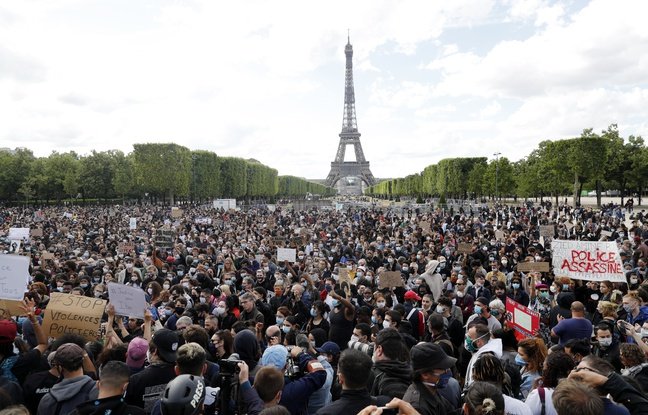
The Zecler case has never been only about three officers and one night. It became a symbol of the wider argument in France over police violence, an argument that has flared again with criticism of the alleged use of excessive force against recent protests.
For Zecler’s supporters, who packed the courtroom throughout the trial, the verdict was a vindication of a man who was consistent in his account from the start — and of the cameras that backed him up. For the police unions and their supporters, who maintain that such cases involve isolated officers rather than a systemic problem, the ruling is a difficult one to absorb.

What happens next now rests with the appeals process and with the court that will fix the dates on which Lapersonne and Tondeux begin their sentences. But the judgment itself is already being read as a turning point: a French court has said, in plain terms, that this beating was not only violent and dishonest, but racist too.
Six years after the cameras caught what happened inside that studio, the court has answered — with prison terms, lifetime bans from the police, and a formal recognition that racism was part of the attack.
By Tariq Jamal
Freelance Journalist | The BNN Media – The Best News Network
News Beyond the Borders