 By
By The BNN Media
The Best News Network
News Beyond the Borders
Gold is supposed to be the asset investors run to when markets turn frightening. This week it did the opposite — falling to its lowest level in more than a year, even as stocks, copper and crypto all sold off around it.
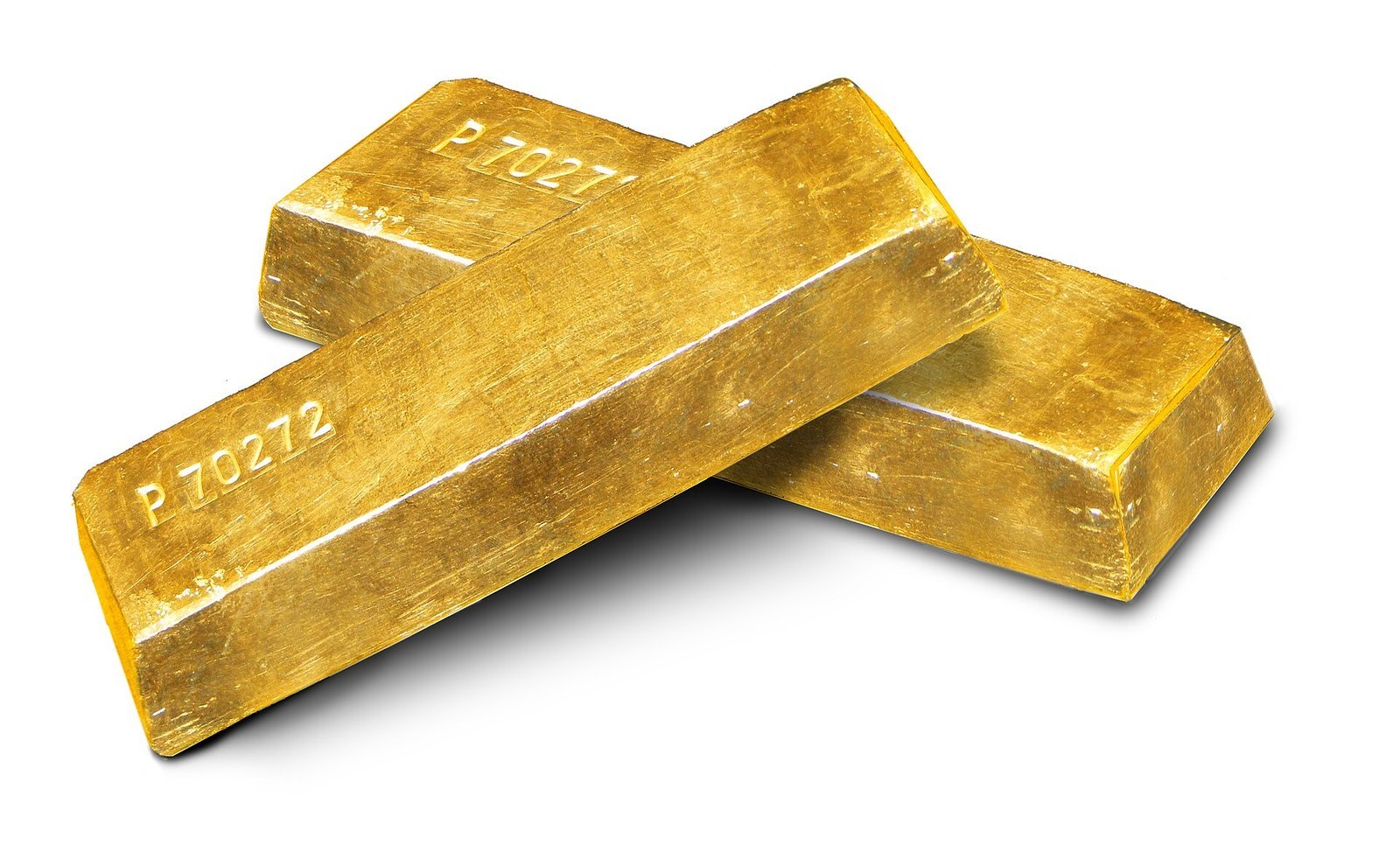
London, United Kingdom — Spot gold fell to $3,513.54 an ounce on Friday 20 November, its lowest level since September 2025, according to Reuters. The metal was on course for a weekly loss of about 9 per cent — its worst week in eight months — while the United States dollar rose to a 19-month high and copper headed for its steepest weekly drop since April 2025.
Gold’s safe-haven failure
Gold’s fall is striking precisely because of the week around it. Reuters described a global market rout that “has taken a major turn for the worse this week as a noxious combination of worries over AI and US interest rates triggered an avalanche of selling from stocks to copper and gold.” In that kind of week, gold would normally be expected to rise as investors seek safety. Instead, it fell about 1 per cent on Friday alone, to its lowest since September 2025.
Reuters put spot gold at $3,551.68 an ounce at 02:57 GMT on Friday, down 1.9 per cent in the session, while December United States gold futures settled at $3,515.40, down 4.6 per cent on the day.
Bruno Schneller, managing director at Erlen Capital Management, told Reuters: “Even gold has come under pressure, which is interesting given its traditional safe-haven role and may point to investors raising cash rather than simply rotating into defensive assets.”
The takeaway is that gold did not fail because investors felt safe — it failed because investors needed cash, and gold was one of the most liquid assets they could sell.
The dollar wrecking ball
The strongest force pressing on gold has been the dollar. The dollar index, which measures the United States currency against the six other top currencies, has risen to a 19-month high this week, according to Reuters. It held near 103.8 to 104 through Friday, its highest since April 2025, according to market reporting.
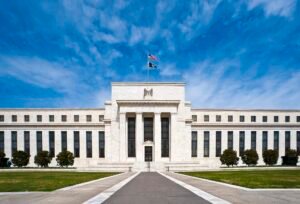
The dollar’s strength is tied directly to the interest rate outlook. Minutes from the Federal Reserve’s October meeting, released on 18 November, showed that almost all participants judged further rate increases would likely be appropriate. Federal Reserve Governor Christopher Waller then raised the possibility of a half-point move at the December meeting. Markets were pricing in a more than 90 per cent chance of a quarter-point rise in December, according to Reuters reporting on 20 November.
The takeaway is that gold is caught in a pincer: a rising dollar makes it costlier to buy, while rising rate expectations make it costlier to hold.
Copper collapses as the AI trade unravels
The standout mover in metals this week has been copper. A beneficiary of the artificial intelligence rollout, given high demand for the metal from data centres, it is on course for its steepest weekly drop since April 2025, according to Reuters.
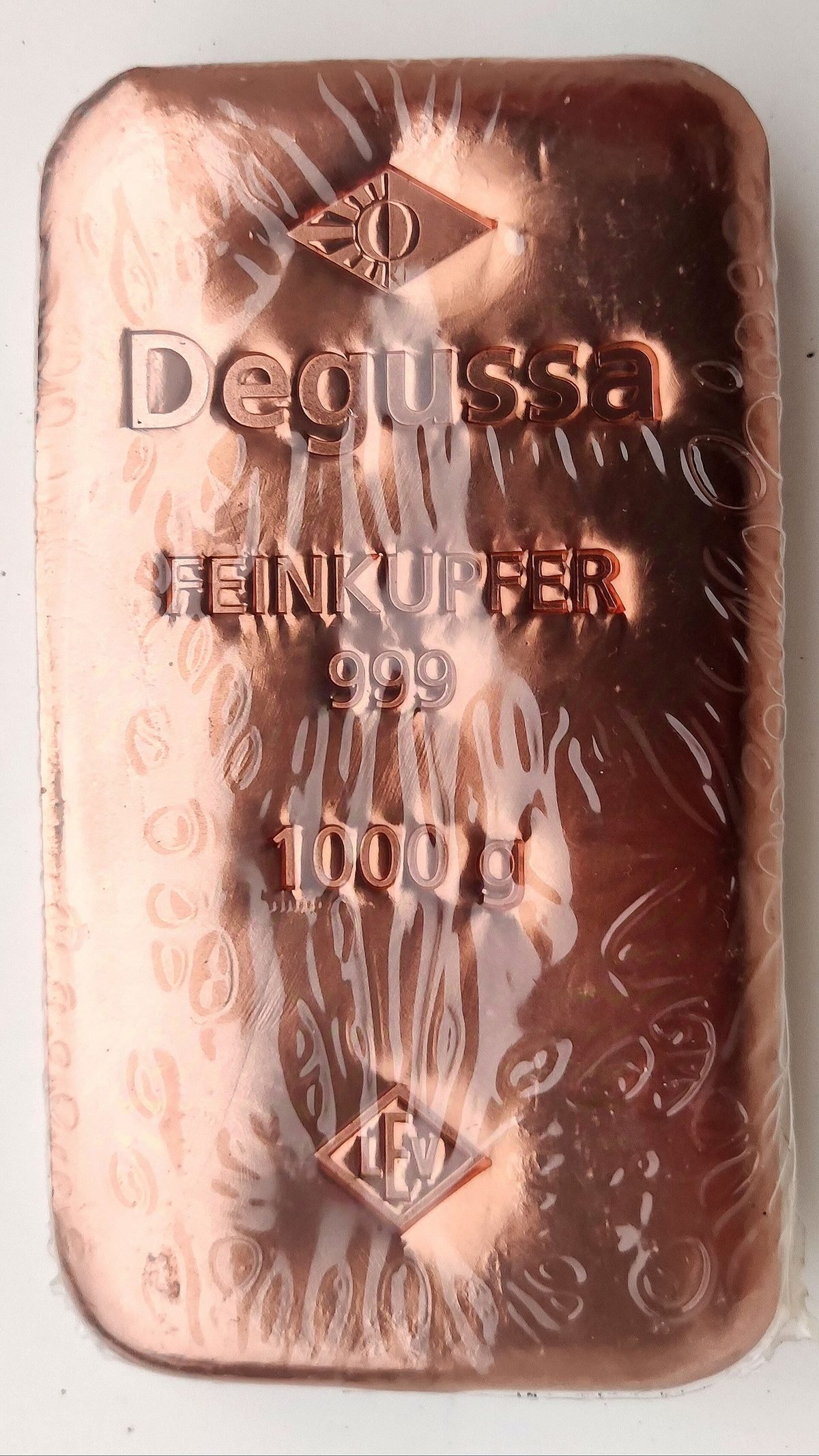
Benchmark three-month copper on the London Metal Exchange fell 3 per cent to $12,150 a tonne as of 17:01 GMT on Friday, having earlier touched $12,020 — its lowest since 24 March. The metal was down around 9.3 per cent for the week and has lost about 14 per cent this month, according to Mining.com.au, citing Reuters. United States Comex copper futures ended the week 9.91 per cent lower at $5.4770 a pound, according to Dow Jones market data reported by Morningstar. Copper is now about 16 per cent below its record of $14,875 a tonne, set on 10 September.
The takeaway is that copper’s fall is about financial sentiment, not physical supply: investors are selling the metal because they are losing faith in the AI spending boom, even as real buyers in China scramble for scarce metal.
Silver and platinum fall harder
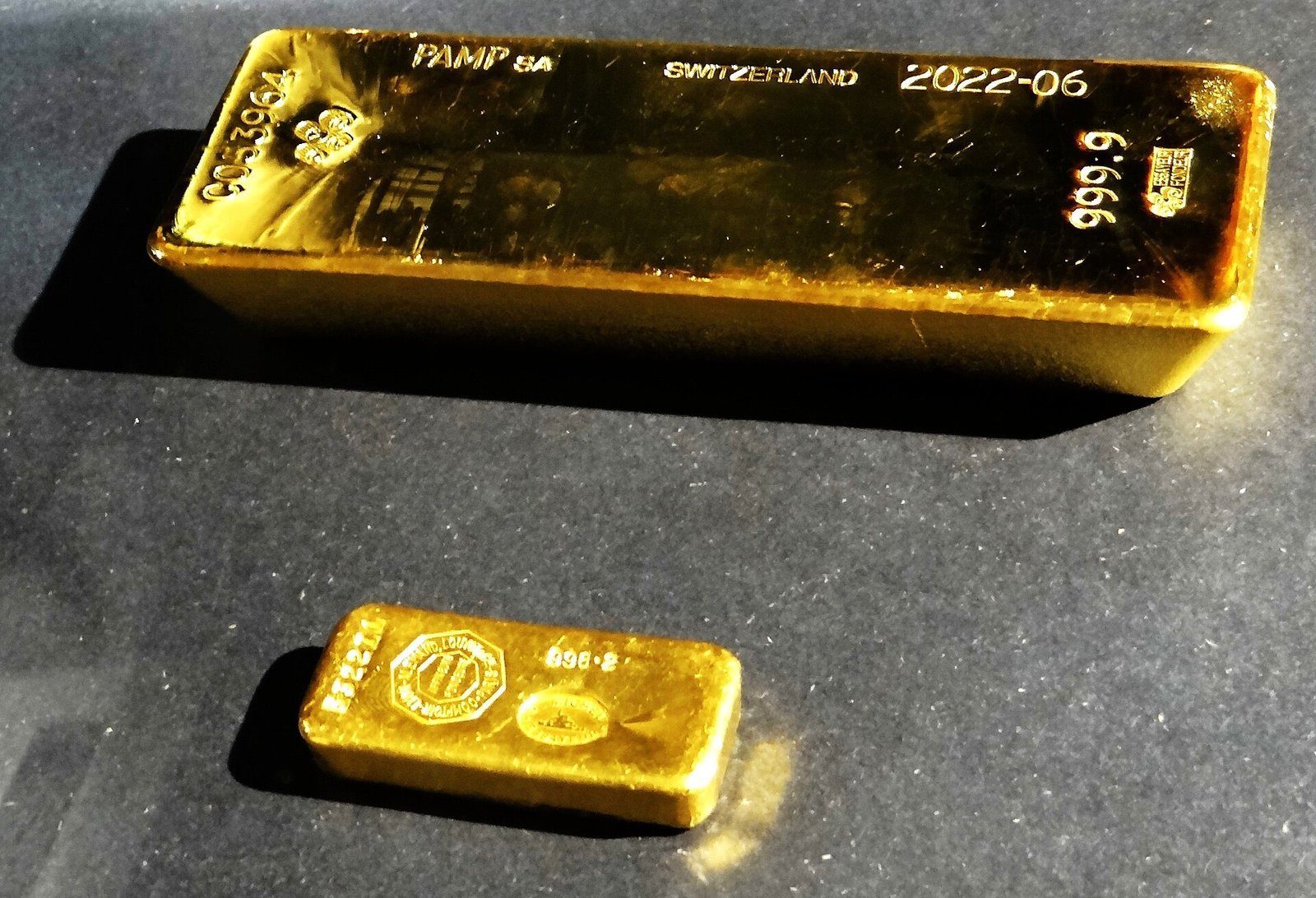
Gold was not the only precious metal to suffer — it was, in fact, the least damaged of the three. Silver slid from roughly $47.28 an ounce on Monday to about $41 by Friday, according to APMEX, including an 8 per cent drop on Thursday alone, putting its weekly loss at more than 10.9 per cent. Reuters put silver near $41.90 an ounce in early Friday trading. Platinum dropped about 9.9 per cent on the week to near $1,290 an ounce, a 17-month low, according to APMEX, with Reuters putting it near $1,317 an ounce early on Friday.
The takeaway is that when the selling is about raising cash and higher rates, the smaller and more industrial precious metals fall fastest.
Bonds: the haven that actually worked
One traditional safe haven did work this week — government bonds. Reuters reported that government bonds “are performing well as a safe haven in this latest market turmoil, shrugging off worries about a more aggressive Federal Reserve.” The benchmark 10-year Treasury yield is on track for its biggest weekly fall since April 2025, down 17 basis points so far this week. Bond yields move inversely to prices, so a falling yield means rising bond prices.
The takeaway is that this week’s haven trade went to bonds, not bullion — a split that says more about forced selling than about confidence.
A week when everything fell at once
The scale of the week’s losses helps explain why gold could not hold up. Nearly $9 trillion has been wiped off the value of world stocks since they peaked back in August, according to Reuters, while this week’s 17 per cent plunge in Taiwan’s market is the biggest since the early 1990s. Wall Street’s fear gauge, the VIX index, reached 30 points on Friday, its highest since late March.
It was the same pattern seen earlier in the week, when stocks and gold fell together on 18 November.
The week’s losses in figures:
- Gold: about 9 per cent lower on the week, lowest since September 2025.
- Silver: more than 10.9 per cent lower on the week.
- Platinum: about 9.9 per cent lower on the week, a 17-month low.
- Copper: about 9.3 per cent lower on the week on the London Metal Exchange, steepest since April 2025.
- Dollar index: at a 19-month high, near 104.
- World stocks: nearly $9 trillion wiped out since the August peak.
The takeaway is that this was not a rotation from one asset to another — it was a broad rush for cash and for dollars, and almost nothing was spared.
What to watch next
The next test comes at the Federal Reserve’s meeting on 8–9 December, when the market expects a quarter-point rate rise — with a small chance of a larger half-point move, after Governor Waller’s remarks. Any softening in the Fed’s tone, or in the inflation data due on 25 November, could ease the pressure on gold quickly. A further hardening would do the opposite.
By The BNN Media
The Best News Network
News Beyond the Borders