By
After a week of talks in Geneva that ran into the early hours of Saturday, countries agreed to spend two more years working on rules for lethal autonomous weapons — but refused to commit to a legally binding treaty, leaving the machines that can kill without human control unregulated.
By The BNN Media
The Best News Network
News Beyond the Borders
Geneva, Switzerland — Nations at United Nations-backed talks in Geneva agreed early on Saturday to work towards a possible accord on lethal autonomous weapons systems by 2028, but stopped short of the binding rules sought by UN Secretary-General António Guterres, scores of governments and campaigners.

A Deal to Keep Talking
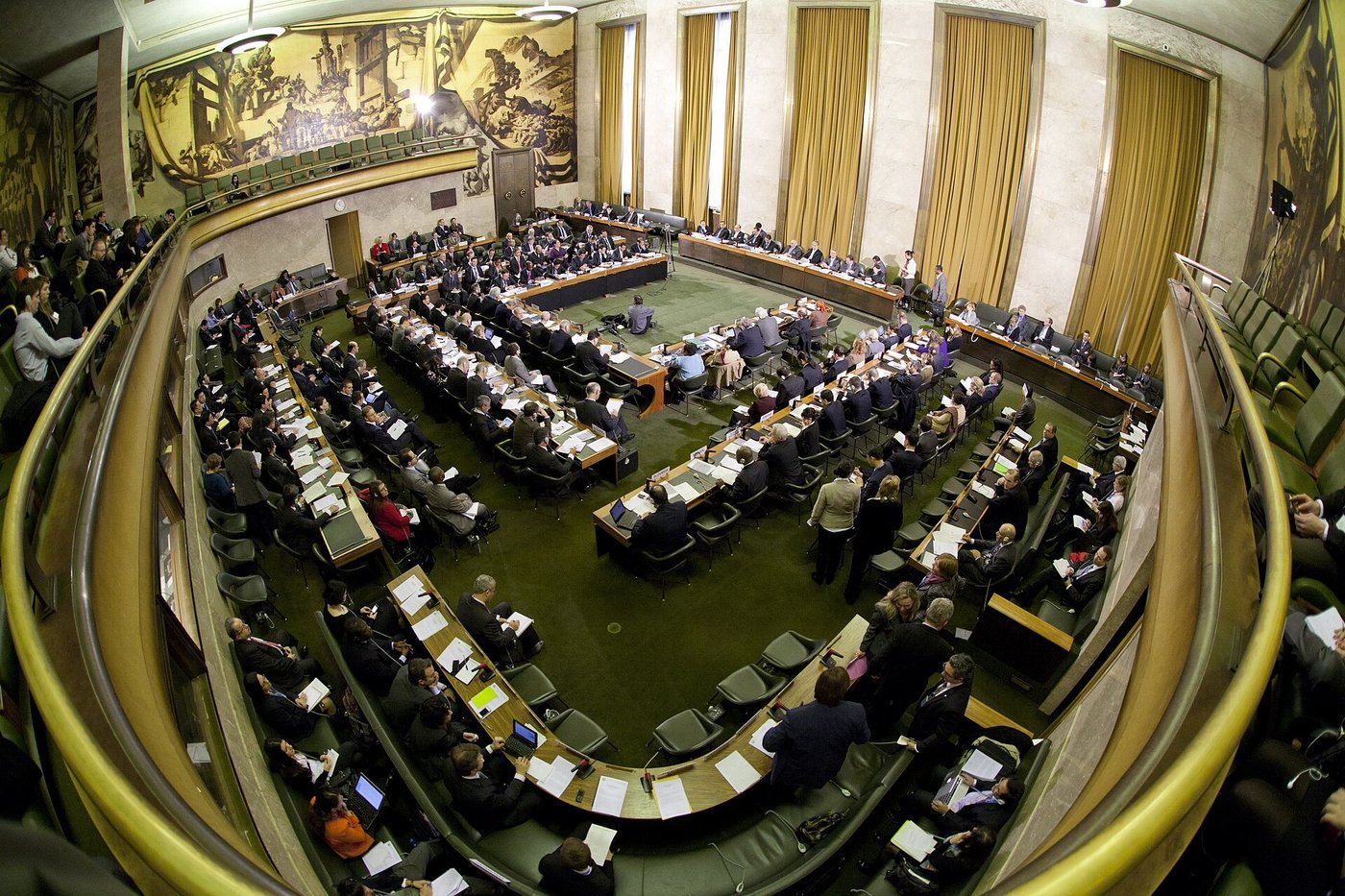
Efforts to set firm rules on AI-powered weapons ran aground as the week-long conference ended with a softened agreement to extend discussions for two more years. The Seventh Review Conference of the Convention on Certain Conventional Weapons (CCW), held in Geneva from 16 to 20 November, finally concluded at nearly 4:45 a.m. on Saturday after five gruelling days of talks that dragged on into overtime.
The 128 countries party to the convention “agreed to launch the elaboration of an international instrument on lethal autonomous weapons systems, which should be conducted over the next two years”, conference president Julien Thöni, the Swiss ambassador, told reporters afterwards.
The outcome underscored the difficulty of achieving concrete results in diplomacy at a time of widening conflicts and competition between major military powers. For now, the agreement keeps the diplomatic process alive without imposing any new obligations on the states developing these weapons.
The takeaway: after fourteen years of discussion, the world has agreed to discuss autonomous weapons for two more years — and nothing more.
“Elaborate”, Not “Negotiate”
The wording of the final agreement was itself the product of hard bargaining. Delegations settled on the term “elaborate” rather than “negotiate” for the next phase of work — a choice that campaigners say deliberately leaves the outcome open.
Under the agreement, the Group of Governmental Experts will work towards recommendations on the instrument’s content and legal nature, including whether it should take the form of a binding protocol. The parties will work on the instrument first, and only then decide whether it should be a treaty — and to what extent its provisions should be binding.
That ambiguity was the price of consensus. The talks were held under the Convention on Certain Conventional Weapons, a treaty ratified by 128 countries in which decisions are taken by consensus, meaning any single country can block an agreement and any deal that emerges tends to reflect the lowest common denominator.
Several days of procedural disagreements had threatened to prevent any common outcome at all before the final compromise was reached.
The takeaway: the word “elaborate” is doing a lot of work — it promises a document, but not a law.
Who Wanted Binding Rules — and Who Resisted
Before the meeting, seven countries — Austria, Belgium, Brazil, Ireland, Mexico, New Zealand and Panama — submitted a working paper proposing negotiations towards a legally binding protocol. More than 95 states expressed support for a treaty, according to campaigners and reporting from the conference.
The United States took a different position, proposing a five-year mandate focused on developing non-binding guidance on the application of international humanitarian law to autonomous weapons.
Activists accused military powers, including Russia and the United States, of blocking stronger language, arguing that the countries developing the most advanced artificial intelligence weapons want a free hand to keep building them. While a majority of states want a legally binding agreement, countries that have the technology, including the United States and Russia, are reluctant to have their hands tied.
UN Secretary-General António Guterres, who leaves office at the end of the year, had set a deadline of 2026 for launching negotiations towards an agreement on autonomous weapons systems. That deadline has now passed without negotiations being launched.
Izumi Nakamitsu, the UN high representative for disarmament affairs, described the result as a “glass half full or glass half empty” scenario, citing Guterres’ hopes for a legally binding deal this year.
Fourteen Years of Talks
The Geneva outcome is the latest chapter in a debate that has been running since 2013, when governments first began formally discussing lethal autonomous weapons systems under the CCW. In that time, the technology has moved far faster than the diplomacy.
- 2013: Talks on autonomous weapons begin under the Convention on Certain Conventional Weapons.
- 2016: A Group of Governmental Experts is established to examine the issue in detail.
- 2023: The UN General Assembly calls for negotiations on a legal instrument, and the Secretary-General sets a 2026 deadline.
- 2026: The Review Conference agrees only to “elaborate” an instrument by 2028, with its legal status undecided.
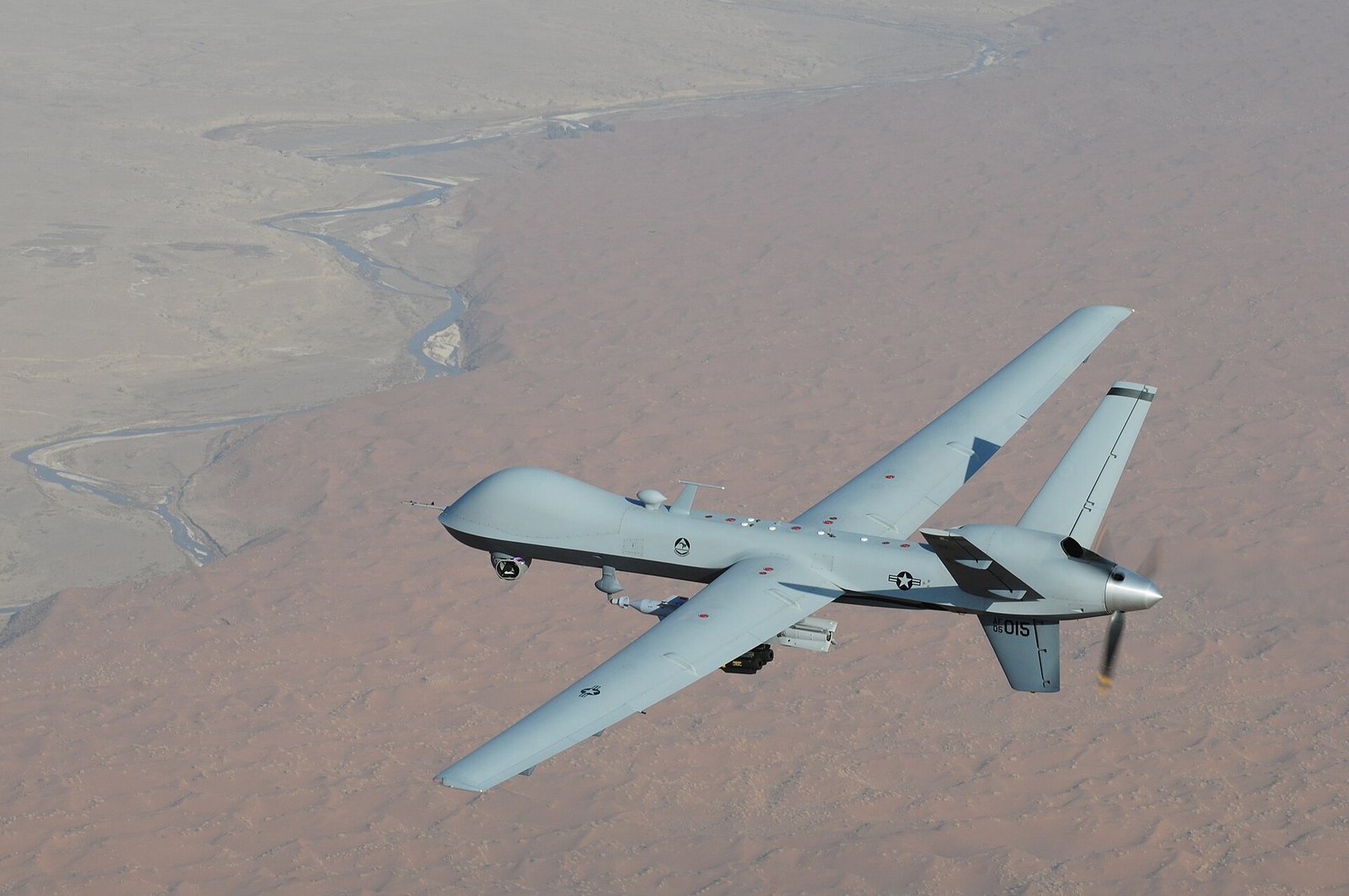
Meanwhile, artificial intelligence is already being woven into targeting processes and drone warfare in active conflicts, and campaigners warn that each year of delay leaves civilians more exposed.
The takeaway: the diplomacy is now in its fourteenth year, while the weapons it is meant to govern are already being used.
The View from Campaigners
The Stop Killer Robots coalition criticised the final agreement, arguing that a small number of states had weakened the mandate despite widespread support for legally binding rules. The coalition also raised concerns about transparency, reporting that much of the conference’s substantive work had taken place behind closed doors, limiting the participation of civil society and observers.
“States have agreed it is sufficient to just talk about the issue, for the 14th year, while these weapons enable atrocities,” one campaigner said, according to the Associated Press.
The coalition argued that the future instrument should go beyond restating existing international humanitarian law and address autonomous systems designed to target people, as well as systems that cannot be operated under meaningful human control.
Nicole van Rooijen, executive director of Stop Killer Robots, warned that delaying legally binding rules could increase the risks to civilians as autonomous weapons technologies, including artificial intelligence in targeting processes, are deployed in armed conflicts.
The final agreement “fails to chart a clear path toward a legally binding instrument”, the coalition said. “Over 95 states expressed their support for a treaty. In the final hours, a small number of states weakened the mandate, introducing uncertainty about the legal status of the final document.”
What Happens Next
The agreement establishes a two-year process for developing an international instrument on autonomous weapons, allowing discussions to continue within the CCW. The Group of Governmental Experts will now work on recommendations covering what the instrument should contain and whether it should be binding.
But the path forward remains uncertain. “It remains possible — likely, even — that there will be no treaty by the end of 2028,” one observer at the conference said, according to Agence France-Presse. The Swiss conference president was more hopeful, saying: “The path to, or possibility to, have a legally binding instrument is still open.”
The question will return to the negotiating table — but with no guarantee of a different result. Until then, machines that can select and engage targets without human control remain governed only by the general rules of international humanitarian law, which were written long before artificial intelligence entered the battlefield.
By The BNN Media
The Best News Network
News Beyond the Borders
Sources: Associated Press / NPR (21 Nov 2026); Reuters (21 Nov 2026); Agence France-Presse (21 Nov 2026).