By
Italy has provisionally approved Tesla’s Assisted Driving system, becoming the first major European Union country to let Tesla cars use the driver-assistance software on its roads — and giving the US carmaker a major endorsement before a bloc-wide vote expected in December.
By The BNN Media
The Best News Network
News Beyond the Borders
ROME — Italy has provisionally approved Tesla’s Assisted Driving system, the country’s transport ministry announced on Friday, making Italy the first major European Union country to authorise the software on public roads.
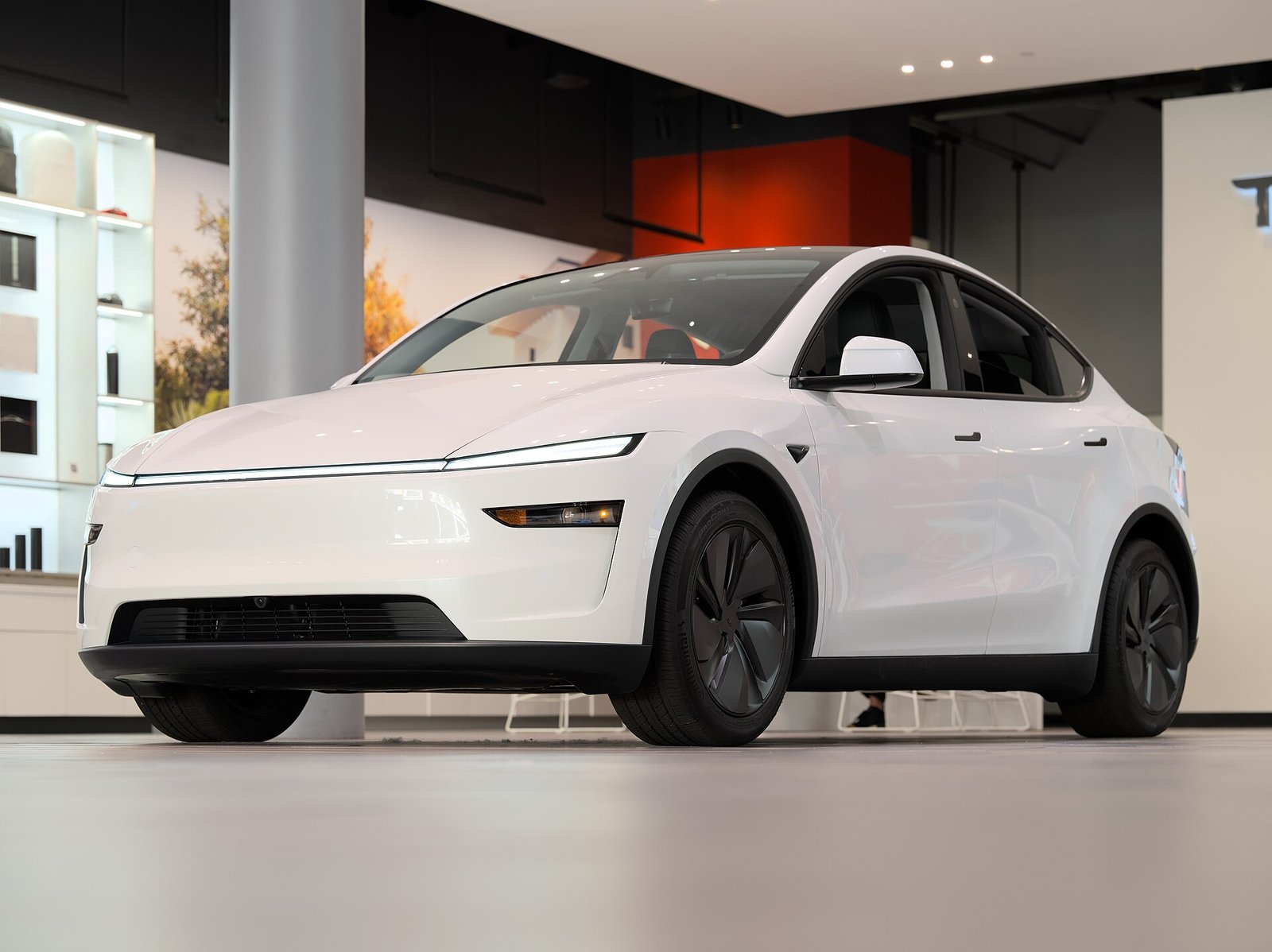
Transport Minister Matteo Salvini, who is also deputy prime minister, said Italy would allow the system to operate while European regulators weigh a broader approval.
Tesla Europe followed with a statement saying the company will now activate the feature in Italy, after what it called a “rigorous and thorough review” by the Italian authorities.
What drivers will actually get
Tesla Assisted Driving, known as TAD, is the new name for what was previously called Full Self-Driving (Supervised). It is a Level 2 driver-assistance system: it can steer, accelerate and brake, and navigate city streets and motorways, but the driver must supervise it at all times and remain ready to take over.
This is not a self-driving car. Tesla’s own manuals stress that the driver remains responsible for the vehicle, and that the system can make mistakes. Drivers in Italy will have to keep their hands on the wheel — a point that became central to the regulatory negotiations.
In Italy, the system will be available as a subscription costing €99 a month. It requires Tesla’s Hardware 4 computer, fitted to more recent models.
For owners, the approval changes little on day one: the system will roll out gradually, and drivers will need to opt in and pay. But for Tesla, it is a significant vote of confidence from a G7 country — the first major economy in the EU to say yes.
The twelfth country, and the biggest so far
Italy is the twelfth country in Europe to approve the system. The Netherlands was first, granting a provisional type approval in April 2026 under Article 39 of Regulation (EU) 2018/858 — a mechanism that allows one member state to authorise a vehicle or system, after which other countries may choose to recognise that approval.
Together with the Netherlands, the countries that have so far recognised the Dutch approval are Belgium, Croatia, Czechia, Denmark, Estonia, Finland, Latvia, Lithuania, Slovakia and Slovenia.
Italy, however, is the largest market and the first major economy among them. Its population of about 59 million people, and its status as one of the EU’s founding members and largest car markets, gives the approval a political weight that the smaller countries’ decisions did not carry.
The long road through the Netherlands
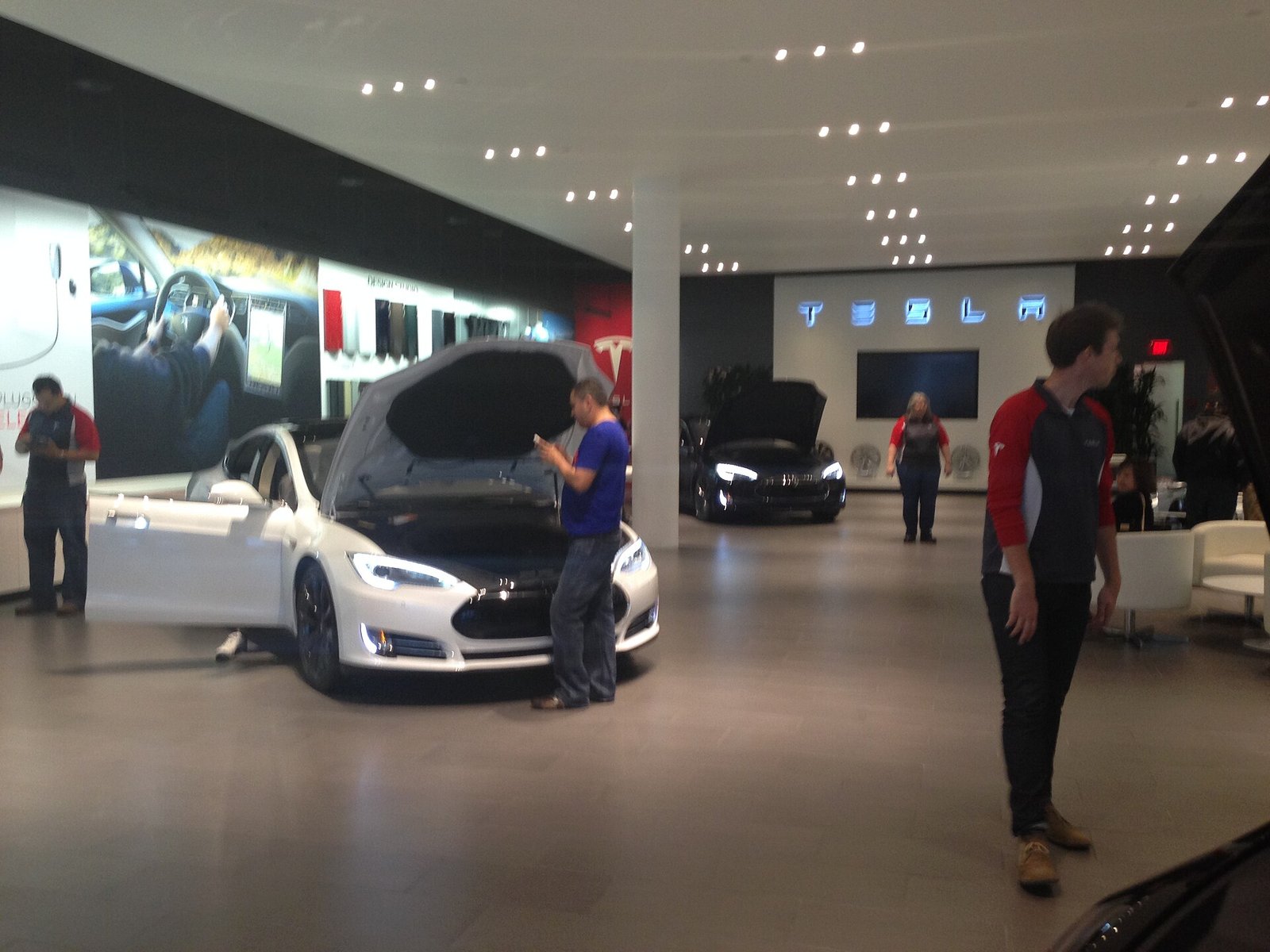
The path to Italy’s decision runs through the Netherlands. On 10 April 2026, the Dutch vehicle authority, RDW, granted a provisional type approval for the system under Article 39 of Regulation (EU) 2018/858, allowing Tesla to begin rolling it out in the Netherlands.
Rome’s position moved quickly after that. Italian officials had been in contact with the Dutch authorities, and the approval process, once it began in earnest, took weeks rather than months.
Salvini described the move as a step towards modernising Italy’s roads and embracing new technology — a message that sits comfortably with his party’s pro-business, pro-innovation rhetoric.
What Tesla had to change
A lot changed between the first Dutch approval and the Italian decision. The system that was approved in Italy is not the same one Tesla originally submitted.
First, Tesla dropped the “Full Self-Driving” name for the European market, rebranding the system as “Tesla Assisted Driving”. European regulators had raised concerns that the old name overstated what the system could do.
Second, Tesla cut the maximum speed margin the system will use above the posted limit — from 50% to 10%. The RDW approved that change on 3 November, after Germany raised concerns that the system was exceeding speed limits by too much.
Third, on 16 November, the RDW approved a stricter driver-monitoring system, requiring drivers to keep their hands on the wheel at speeds above 130 km/h — a condition that reflects European regulators’ insistence that the driver remains engaged.
Germany had raised the speeding issue, and the Dutch authority had pushed back on the driver-monitoring requirements. Each concession brought the system closer to what European regulators were willing to accept.
Even so, the approval is provisional. It can be withdrawn if the system is found to be unsafe, and it will be reviewed as part of the EU-wide process.
The December vote
Italy did not wait for the EU-wide vote, which is expected in December. The Technical Committee on Motor Vehicles — a body of representatives from all 27 member states — will vote on whether to approve the system for the whole bloc.
Bloc-wide approval needs a qualified majority: at least 15 of the 27 states, representing at least 65% of the EU’s population. Italy’s support helps, but it is not decisive on its own.
That is progress, but not a done deal. France refused to grant a national approval in July, and Spain has not recognised the Dutch approval. Germany, the EU’s largest car market and home to powerful carmakers, has been cautious — though it has not blocked the process outright.
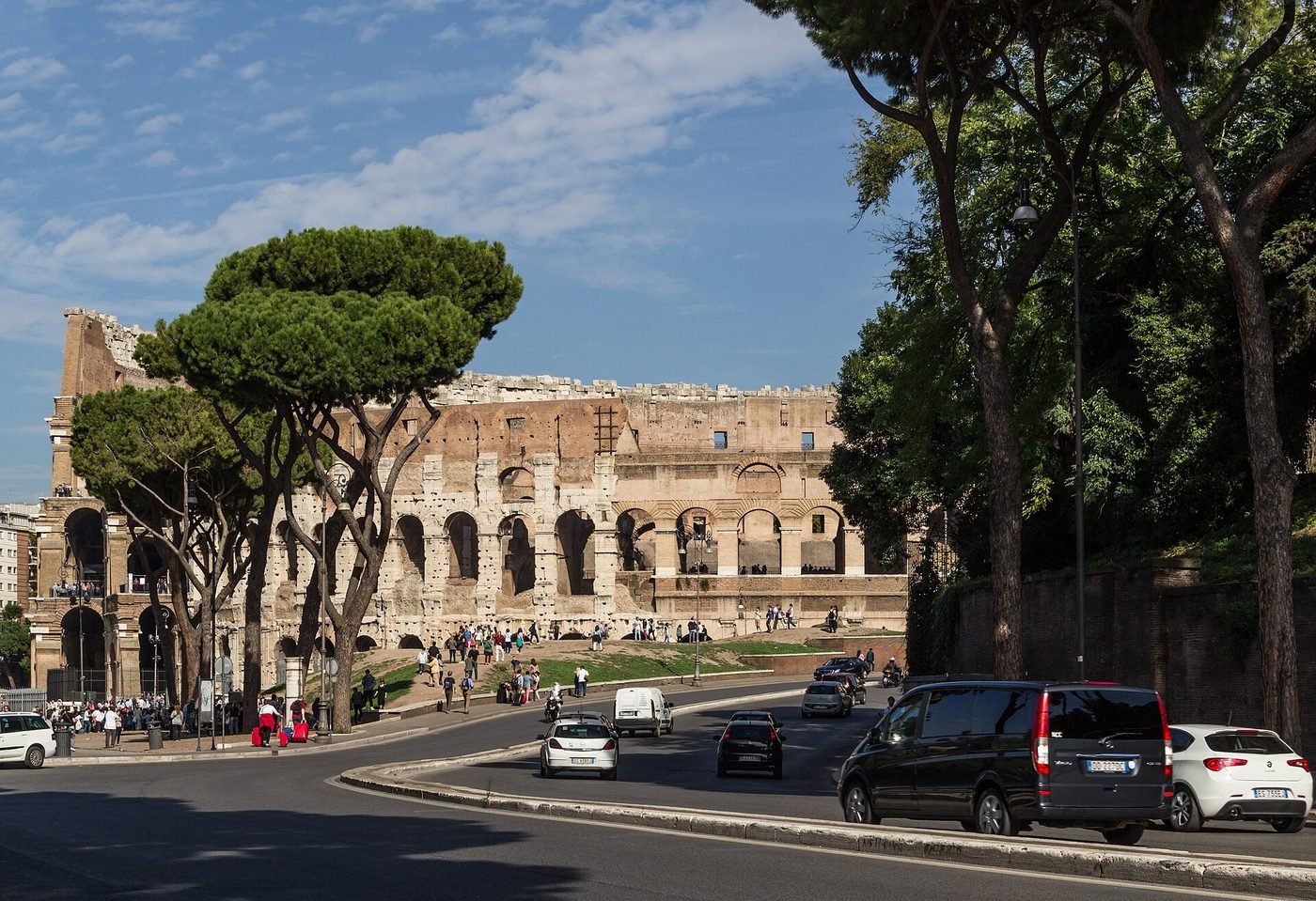
What it means for Tesla and for Italy
For Tesla, the Italian approval is a win at a difficult time. The company’s sales in Europe have fallen this year, and the launch of the assisted-driving system is a key part of its strategy to revive demand.
For Italy, the approval puts the country at the front of the debate about how Europe should regulate driver-assistance technology — a debate that will shape the rules for the next generation of cars.
Whether the December vote follows Italy’s lead will determine whether Tesla’s system becomes available across the EU, or remains limited to the countries that have chosen to recognise it.
Italy has moved first among Europe’s big countries. Now the rest of the EU must decide whether to follow.
By The BNN Media
The Best News Network
News Beyond the Borders
Sources: Reuters (20 Nov 2026); Electrek (20 Nov 2026 and 3 Nov 2026); TechXplore (20 Nov 2026); Teslarati (20 Nov 2026).