By
By The BNN Media
The Best News Network
News Beyond the Borders
Australia’s Treasurer has warned that unemployment will climb above 5 percent and growth will stay well below 2 percent for two years, while insisting the country is not heading for a recession.
Canberra, Australia — Australian Treasurer Jim Chalmers told Parliament on Monday that the jobless rate would rise above 5 percent in the coming months, after reaching 4.9 percent in October — a five-year high, according to Reuters — and that economic growth was expected to slow to “well below” 2 percent for the next two years.
A Blunt Warning From Canberra
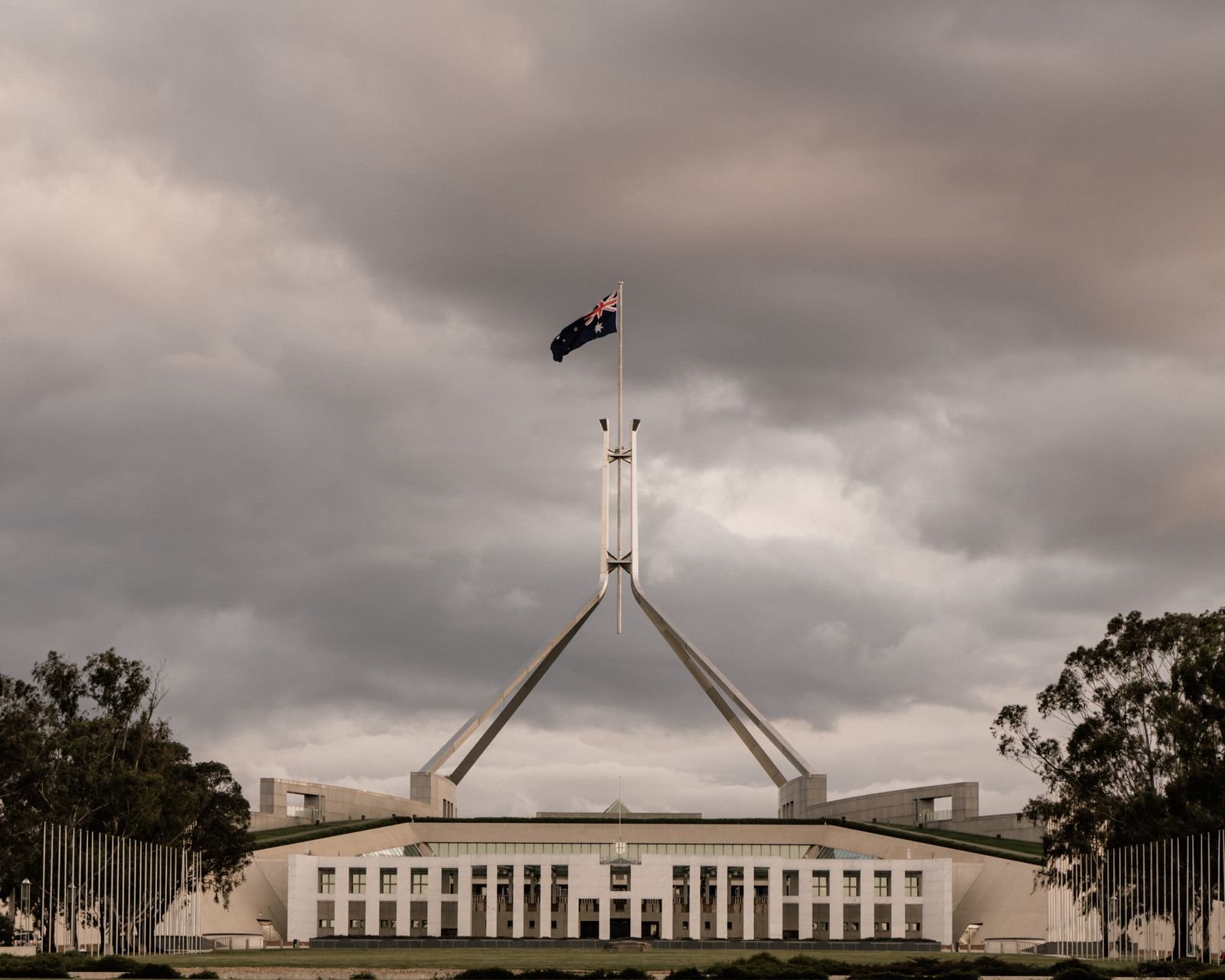
Chalmers delivered the warning in a ministerial statement on the economy in Canberra, setting out the government’s updated outlook ahead of December’s mid-year budget update. He did not soften the message.
He called it a serious moment for the economy and said it was unclear how much further the Reserve Bank of Australia’s five interest-rate rises this year would weigh on the weakening labour market, describing the risks as “substantial”, according to Reuters.
“These are concerning numbers. We don’t diminish or disregard them, but despite all of this, neither the Reserve Bank nor the Treasury are forecasting our economy to go backwards,” Chalmers said, as reported by Reuters.
In the ABC’s account of the same statement, he told Australians that next year would see more jobs lost and households cut back their spending, and that “things might get a bit harder” in 2027 — while still expecting no recession.
The takeaway is deliberately two-sided: the outlook is worse, but the government says it is a slowdown, not a downturn.
Jobs: The Peak Above 5 Percent
The labour market is at the centre of the warning. Unemployment reached 4.9 percent in October, its highest level in five years on Reuters’ reading, and the Treasury now expects it to peak above 5 percent.
That is a clear downgrade from the May budget, when the government expected unemployment of about 4.5 percent. Chalmers said the Treasury still expected unemployment to stay below pre-pandemic averages, even at the higher peak.
The change matters because it is not a single bad month. It is a forecast that more people will be looking for work, for longer, as higher interest rates continue to work through the economy. Chalmers said the full effect of the rate rises so far would continue well into next year.
More Australians will feel this warning in the jobs market before they feel it anywhere else.
Growth: Two Years Below 2 Percent
The growth picture is just as weak. Chalmers said growth in gross domestic product could slow to “well below” 2 percent in each of the next two years, after growth of 2.3 percent last year.
That is also weaker than the May budget, which expected growth of 1.75 percent this year, followed by 2.25 percent in 2027–28. The new outlook puts both of the next two years below that path.
Elevated inflation and high interest rates are expected to weigh on consumption, Reuters reported, as households hold back spending. Chalmers pointed to higher oil prices, the fallout from the war against Iran, and high interest rates as pressures on the economy, according to the Bulletin’s account of his statement.
The key numbers, as reported on Monday:
- Unemployment: 4.9 percent in October; expected to peak above 5 percent
- Growth: 2.3 percent last year; expected to run well below 2 percent for the next two years
- Inflation: expected to stay in the mid-3 percent range through the middle of 2027, before returning to the Reserve Bank’s 2–3 percent target band by the end of 2027
- Interest rates: raised five times this year, to 4.85 percent — an 18-year high
Why Rates Are Still Biting
The Reserve Bank of Australia has raised its official interest rate five times this year, taking it to 4.85 percent, an 18-year high. Chalmers said the effects of those increases would continue well into next year and add pressure to the labour market.
That is the difficult trade at the heart of the statement. Rates were raised to bring inflation down, and inflation is expected to stay in the mid-3 percent range through the middle of 2027 before returning to the 2–3 percent target band by the end of that year. But the same medicine is now squeezing jobs and spending.
The pressure is not only Australian. The same debate — whether central banks are moving too far, too fast — is running in many countries at once, as BNN reported in its account of the warning that a December rate rise looks near certain.
The rates that were meant to cool prices are now cooling the jobs market too — and Chalmers is saying so openly.
The December Budget Update: Cuts Before Relief
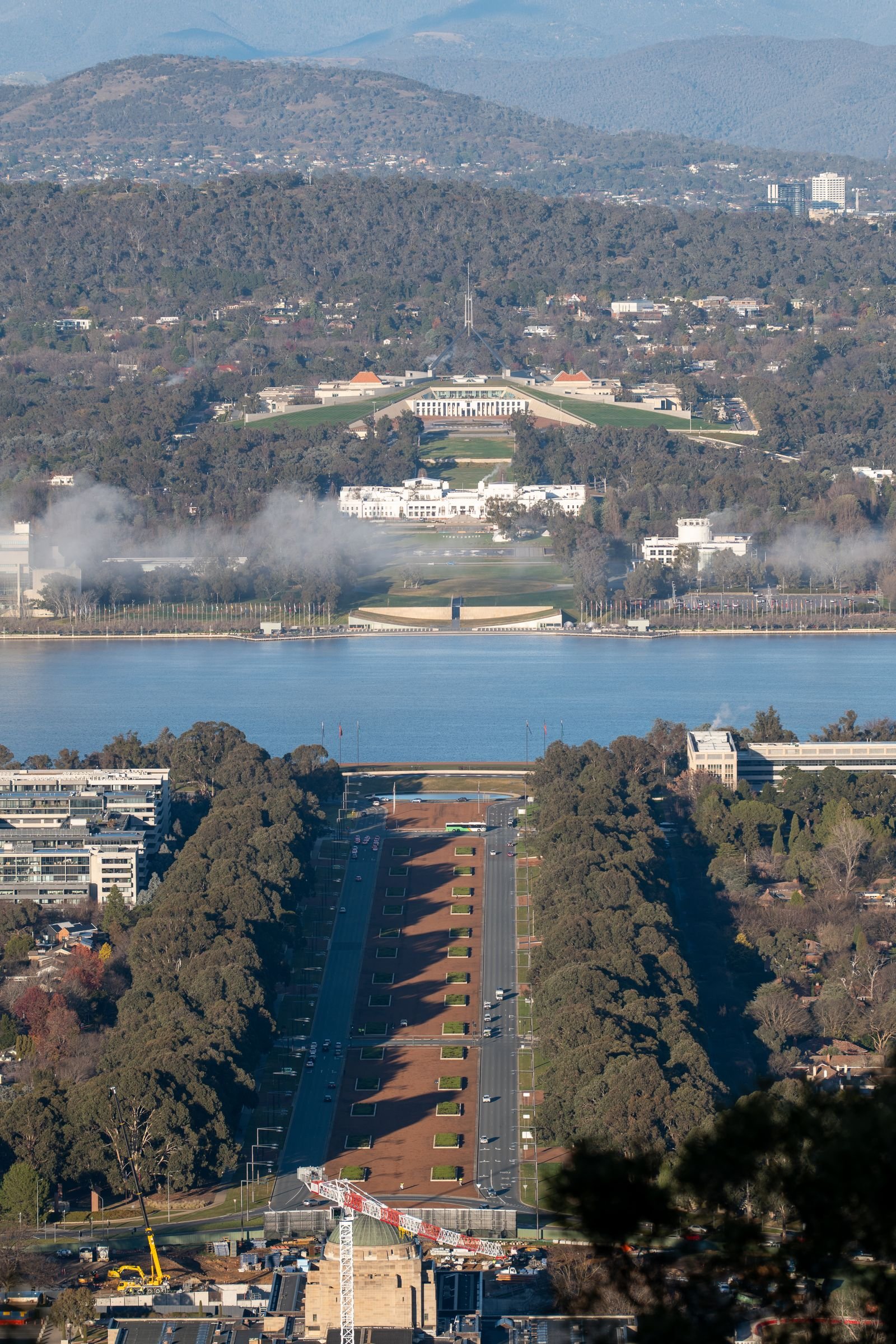
Chalmers said the government would deliver substantial spending cuts in next month’s mid-year budget update, and that those cuts were likely to more than cover any new spending. The update is due after 8 December.
Beyond saying the cuts would spare essential services and would not be “concentrated in one area or portfolio”, he gave few details about specifics, according to the ABC’s account. Some decisions had not yet been finalised.
He said the federal budget was expected to be a little stronger in the near term, but that bigger deficits were likely in the coming years due to higher global yields, Reuters reported.
The message to voters is that the December update will be a net saving exercise: new spending, where it happens, will be more than offset by savings elsewhere. What exactly will be cut has not been announced, and the draft of this report does not guess.
Cheaper Medicines — And Limited Relief
The one piece of cost-of-living relief announced on Monday was medicines. The government said it would freeze the maximum cost of most Pharmaceutical Benefits Scheme (PBS) medicines at $25 per script for general patients until 2030, at an additional cost of about $242 million over three years, according to ABC News.
The freeze brings general patients into line with concession card holders, whose PBS contribution of $7.70 is already frozen until 2030. Prime Minister Anthony Albanese announced the measure at Parliament House in Canberra, and Health Minister Mark Butler said it recognised the financial pressure on people without concession cards.
But Albanese also cautioned that the freeze was among the minimal relief options the government would roll out. With household budgets under pressure, the government has turned again to cheaper medicines to cushion the cost — while warning that there is limited room for more.
Relief is coming on medicines, but the government is telling Australians not to expect a broad new round of handouts.
What Could Still Go Right
Chalmers did point to brighter prospects in the same statement. Nominal wages are expected to keep rising above 3 percent, and real wages are forecast to grow again next year. Business investment could rise by 5 percent this year, after growing by more than 8 percent last year, according to the Bulletin’s account.
Those are the figures the government is leaning on: pay still rising faster than prices, and businesses still investing, even as hiring slows. If both hold, the slowdown could stay a slowdown — painful for jobseekers, but short of a recession.
The next test comes soon. The monthly inflation figure is due on Wednesday 25 November, and the mid-year budget update follows after 8 December, when the government will have to name its savings. Until then, Chalmers’ warning stands as the official picture: a harder 2027, more people out of work, and a government preparing to cut before it spends.
Sources: Reuters; ABC News; Bulletin/Observer; Federal News Australia. Figures are as reported by those outlets on 23 November 2026.
By The BNN Media
The Best News Network
News Beyond the Borders