 By
Ten more states have joined the Federal Trade Commission’s lawsuit accusing Dollar General of routinely charging shoppers more at the till than the prices shown on its shelves, taking the coalition to 30 states and sharpening the legal pressure on one of America’s biggest discount chains.
By The BNN Media
The Best News Network
News Beyond the Borders
Washington, United States — Ten more states have joined the Federal Trade Commission’s (FTC) lawsuit against Dollar General, bringing to 30 the number of states accusing the discount retailer of routinely charging customers more at the register than the prices displayed on its shelves, price tags and advertisements. The FTC filed the amended complaint on Friday, 20 November 2026, in the U.S. District Court for the Middle District of Tennessee, escalating a case that regulators say has already cost shoppers millions of dollars.
Ten New States Join the Case
The states joining the lawsuit on 20 November are Delaware, Georgia, Kentucky, Maine, Minnesota, New Mexico, Oregon, Rhode Island, South Carolina and South Dakota. They join the 20 states that first sued alongside the FTC on 26 October 2026: Alabama, Arizona, Arkansas, California, Connecticut, Florida, Illinois, Iowa, Kansas, Louisiana, Michigan, Mississippi, Nebraska, New Jersey, North Carolina, Ohio, Oklahoma, Tennessee, Utah and Wisconsin.
The Commission voted 2–0 to authorise the filing of the amended complaint, which runs to 119 pages and is docketed as case number 3:26-cv-01693. The case is being heard by Judge Aleta A. Trauger.
Minnesota Attorney General Keith Ellison was among those announcing his state’s decision to join, saying the retailer had repeatedly charged higher prices at the register than on shelves, tags, advertisements and online. In Oregon, Attorney General Dan Rayfield filed a related suit on the same day, jointly with the FTC, 28 other states and Los Angeles County, alleging routine checkout overcharges.
The rapid growth of the coalition — from 20 states to 30 in less than a month — shows how widely the allegations have resonated with state consumer protection officials.
What Dollar General Is Accused Of
The FTC and the states allege that Dollar General has, for years, engaged in long-running deceptive pricing practices: falsely labelling prices, overcharging customers at checkout, and failing to correct the problem despite extensive corporate knowledge of it.
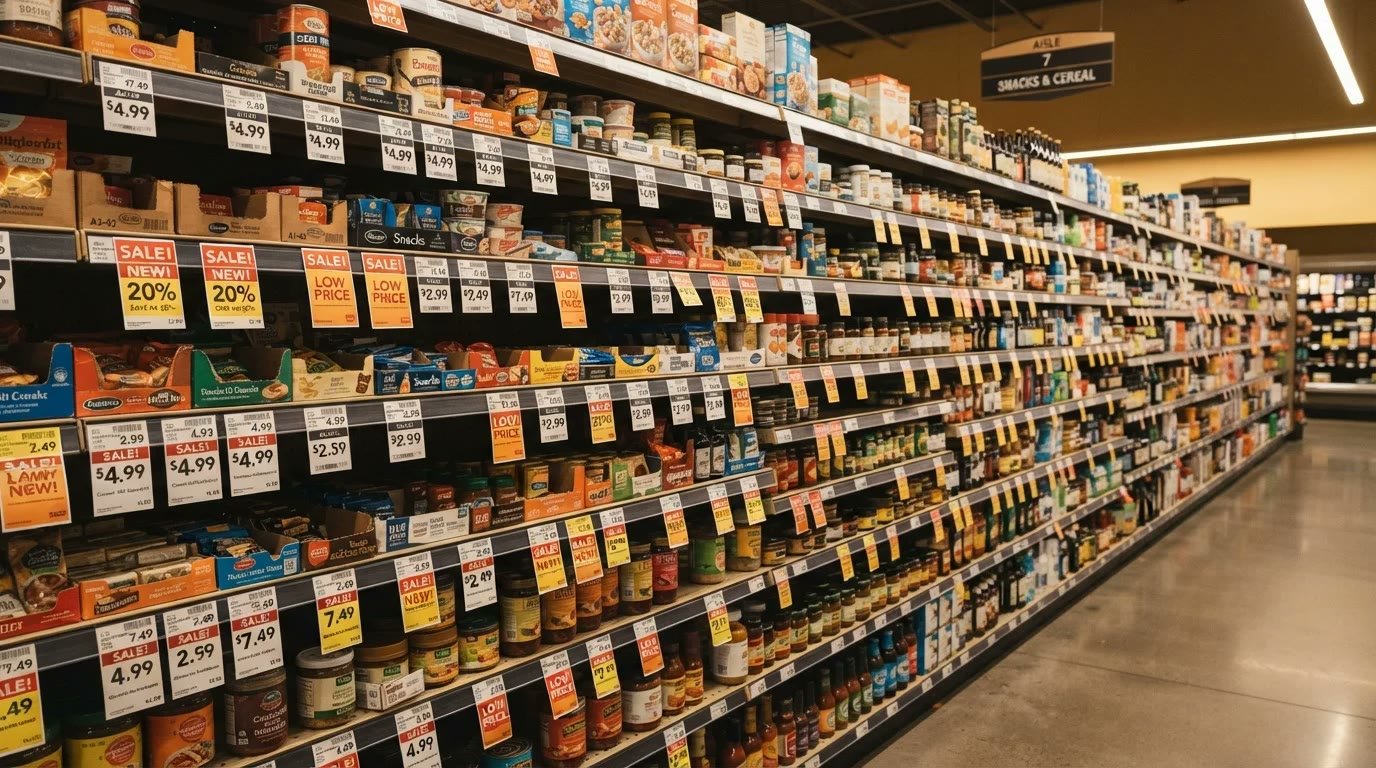
According to the complaint, thousands of Dollar General stores have taken advantage of vulnerable shoppers by extracting millions of dollars in unlawful overcharges, with insufficient safeguards in place to prevent the practice. The prices customers saw on the shelf, the tag, the circular or the advertisement were, regulators say, frequently not the prices they were charged when they paid.
The complaint alleges violations of the FTC Act, which bars unfair and deceptive business practices, the Gramm-Leach-Bliley Act, and the consumer protection laws of each participating state. The FTC and the states are seeking a permanent injunction, monetary relief for shoppers, civil penalties and other court-ordered remedies.
These are allegations, not findings: no court has yet decided whether the claims are true, and Dollar General has denied them.
Tens of Thousands of Complaints
At the heart of the case is the sheer volume of customer complaints. The lawsuit states that from 1 January 2023 through 31 March 2026, Dollar General received at least 29,265 customer complaints categorised as “Did Not Honor Marked Price” — and that those complaints came from all 48 states in which the company operates.
Regulators also point to failed pricing inspections carried out by state authorities. According to the complaint, Dollar General failed more than 39 per cent of pricing inspections in Kansas and more than 45 per cent in Utah since 2023, while Tennessee’s failure rate rose above 10 per cent in early 2026, up from 5 per cent in 2025.
The FTC also tested the problem itself. Between January and April 2026, FTC employees made undercover purchases at Dollar General stores in Ohio, Missouri, Pennsylvania and Maryland, and every purchase included multiple products that rang up above the advertised price. At a store in Cleveland, Ohio, eight of 58 items were overcharged and five were undercharged, producing a net overcharge of $3.25. At a store in Springfield, Missouri, six of 59 products carried the wrong price, for a net overcharge of $4.07.
In one example cited in the complaint, a Pennsylvania shopper bought five two-litre bottles of soda advertised at five dollars for the set — and was charged $2.95 for each bottle at the register.
For a shopper buying a week’s groceries on a tight budget, a few dollars of overcharge on every trip adds up to real money over a year.
Why Florida Is Central to the Case
Florida was among the original 20 states that sued on 26 October, and the state’s shoppers feature prominently in the case. Florida’s claims are brought under the Florida Deceptive and Unfair Trade Practices Act, which allows civil penalties of up to $10,000 per violation — rising to $15,000 where the victim is a senior citizen or a person with a disability.
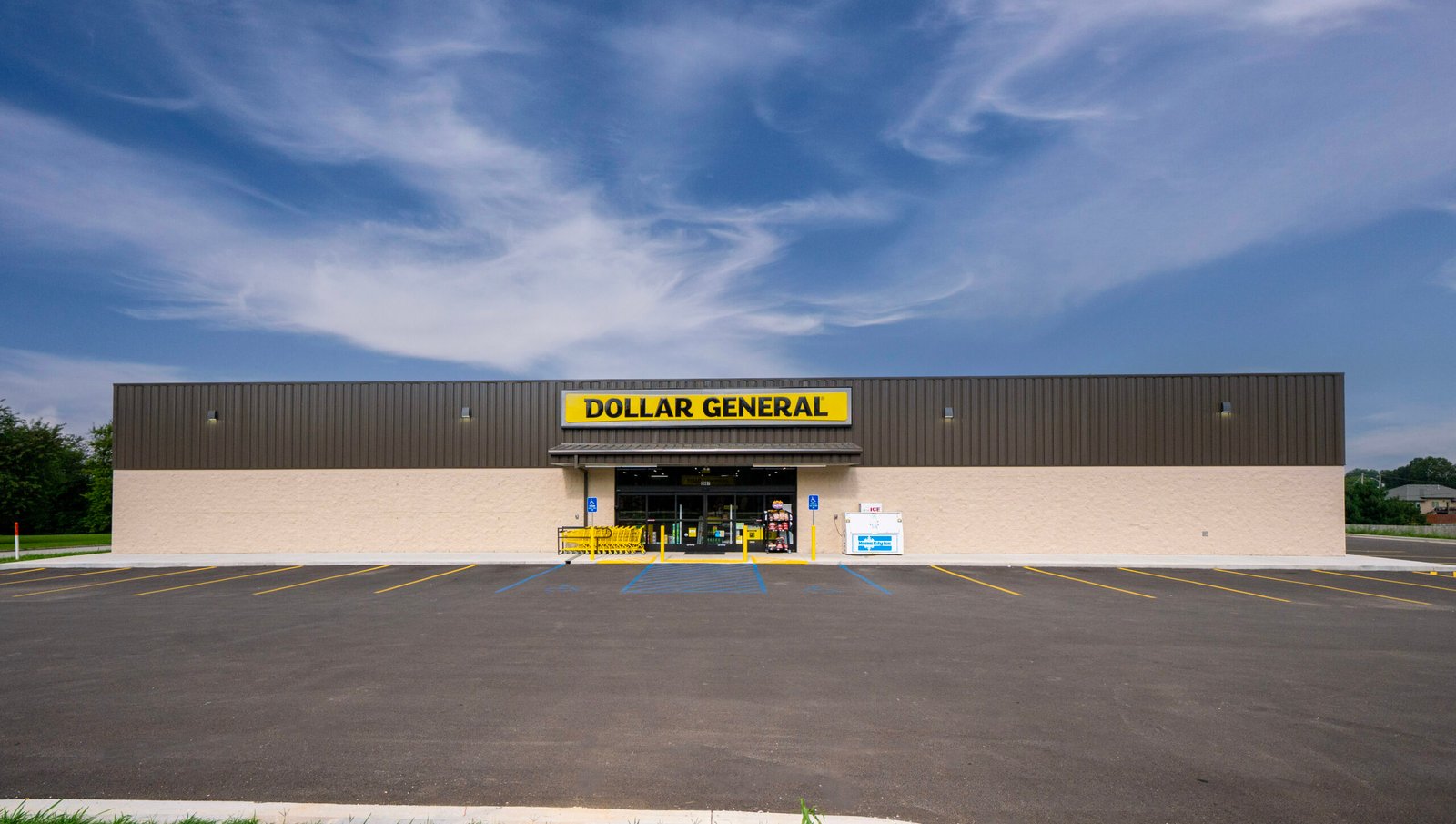
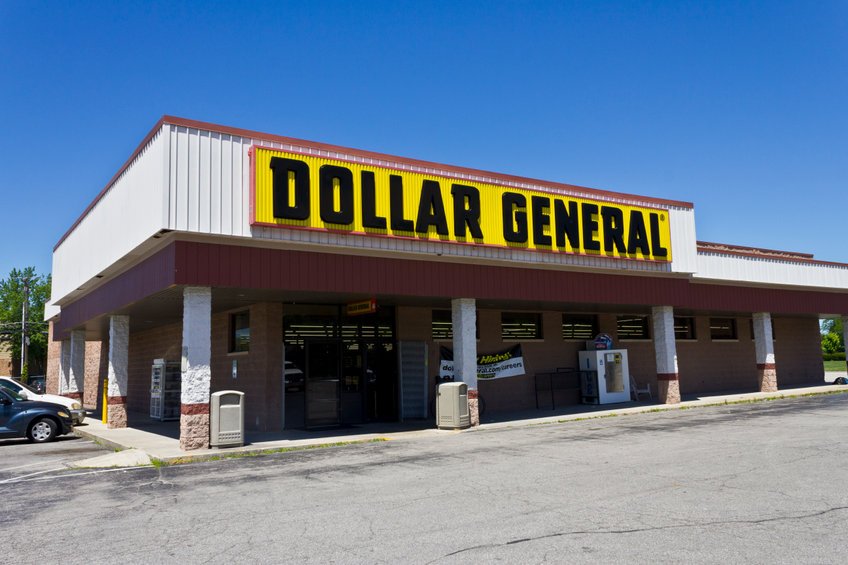
Dollar General is one of the most common storefronts in Florida, particularly in rural counties and lower-income neighbourhoods where it may be the closest place to buy groceries and household basics. The company reported 1,061 stores in Florida in its annual report filed in early 2024, among the largest totals of any state. Florida’s participation in the case runs through the office of Attorney General James Uthmeier.
The Tallahassee Democrat, reporting on the original filing, noted that the 94-page lawsuit cited numerous complaints from consumers, failed inspections conducted by state authorities, and the FTC’s undercover shopping trips. Christopher Mufarrige, Director of the FTC’s Bureau of Consumer Protection, said Dollar General had “betrayed the trust of millions of American consumers and imposed significant financial harm on communities and consumers who are already struggling to make their paychecks last.”
Florida matters because the alleged harm falls hardest where Dollar General is often the only shop in town — and the state has some of the strongest penalties available to punish it.
The Shoppers Hit Hardest
The complaint stresses that the alleged overcharges fell most heavily on the low-income and fixed-income customers who make up the core of Dollar General’s business. About 80 per cent of the chain’s stores are in towns of 20,000 people or fewer, and households earning $35,000 a year or less account for about 60 per cent of the company’s revenue.
Dollar General operates more than 20,000 stores across the United States — some reports put the figure above 21,000 — and markets itself as “America’s neighborhood general store,” promising customers “convenience, value and service — Every day!” Its chief executive has described the business as “uniquely positioned to serve underserved customers in rural communities.”
That positioning is precisely why regulators say the alleged conduct matters so much: for families who carefully budget every dollar, the gap between the shelf price and the register price is not a minor inconvenience but a direct hit to the weekly shop.
The complaint also notes that this is not the first time the company has faced action over pricing. Since 2019, Dollar General has paid more than $6 million in settlements with six states over inaccurate pricing — settlements that, the FTC argues, failed to fix the problem.
When a store’s promise is low prices for people with the least to spend, charging more than the ticket price is not a rounding error — it is the business model on trial.
How the Company Has Responded
Dollar General has denied the allegations. In a statement issued on 26 October, the company rejected the claim that it had deliberately overcharged customers and said it had improved its price-accuracy processes in recent years.
“We have enhanced our price-accuracy processes and remain committed to continuous improvement,” the company said. It also said it had cooperated with the FTC’s investigation, providing more than 200,000 documents and more than 350 gigabytes of data.
The company has not yet responded in court to the amended complaint, and no judge has ruled on the merits of the case. Under the FTC’s own rules, the Commission files a complaint when it has “reason to believe” the law has been violated and it appears that a proceeding is in the public interest; the case itself is decided by the court.
What Happens Next — and What Shoppers Can Do
With 30 states now behind the case, the legal pressure on Dollar General is greater than at any point since the lawsuit began. The plaintiffs are asking the court for refunds to shoppers, civil penalties, an injunction to stop the alleged practices, and mandatory pricing-compliance measures — steps that, if granted, could set new rules for retail pricing oversight across the discount sector.
For shoppers, consumer protection officials have long offered the same practical advice:
- Check the receipt before leaving the store, and compare the charged price with the shelf price for every item.
- Keep the receipt and take a photograph of the shelf tag if a price looks wrong.
- Raise the difference with the store manager at the time, and keep a note of the date, store and items involved.
- Report repeated overcharging to the state attorney general’s consumer protection office or the FTC.
Whether the expanded lawsuit ends in a settlement or a trial, its message is already clear: regulators in 30 states believe that the price on the shelf should be the price at the till — and they are prepared to test that principle in court.
Thirty states, tens of thousands of complaints and millions of dollars in alleged overcharges: the question now before the court is whether Dollar General’s pricing failures were a mistake it failed to fix, or a practice it allowed to continue.
By The BNN Media
The Best News Network
News Beyond the Borders
Sources: Federal Trade Commission (press release, 20 November 2026, and case page for Dollar General Corporation, matter 2623006); First Amended Complaint, U.S. District Court for the Middle District of Tennessee, case 3:26-cv-01693; Tallahassee Democrat (27 October 2026); Law Commentary; NewsNation via KCAU 9; The Florida Press; Ginsburg Law Group summary of the complaint.