By
By The BNN Media
The Best News Network
News Beyond the Borders
Sanofi has agreed to pay $175 a share in cash for US drugmaker Insmed, adding two approved lung medicines and a late-stage inhaled drug to its respiratory portfolio in a deal worth about $41 billion.
Paris, France — Sanofi announced on Tuesday, 24 November 2026, that it has agreed to acquire Insmed, a US-based biopharmaceutical company, for $175 per share in cash, in a deal with a total equity value of about $41.0 billion (€37.6 billion). The transaction has been approved by the boards of directors of both companies and is expected to close in the first half of 2027, subject to approval by Insmed shareholders and to US and other regulatory clearances.

What Sanofi Has Agreed to Pay
Sanofi will acquire all outstanding shares of Insmed for $175 per share in cash, according to the announcement from both companies. The price represents a premium of about 46 percent to Insmed’s unaffected closing share price on 18 November 2026, the day before media reports of a possible transaction, and about 17 percent over Insmed’s closing price on Monday, 23 November.
Insmed closed at $149.09 on Monday, and had traded at $119.90 before reports of a possible deal emerged, according to MarketWatch. The Wall Street Journal, citing data provider LSEG, described the deal as the largest in pharmaceuticals this year, while MarketWatch called it the biggest biotech deal in nearly three years.
The size of the price tag underlines how much Sanofi is willing to pay for growth in respiratory medicine, a field where it says significant unmet patient need remains.
The Medicines at the Heart of the Deal
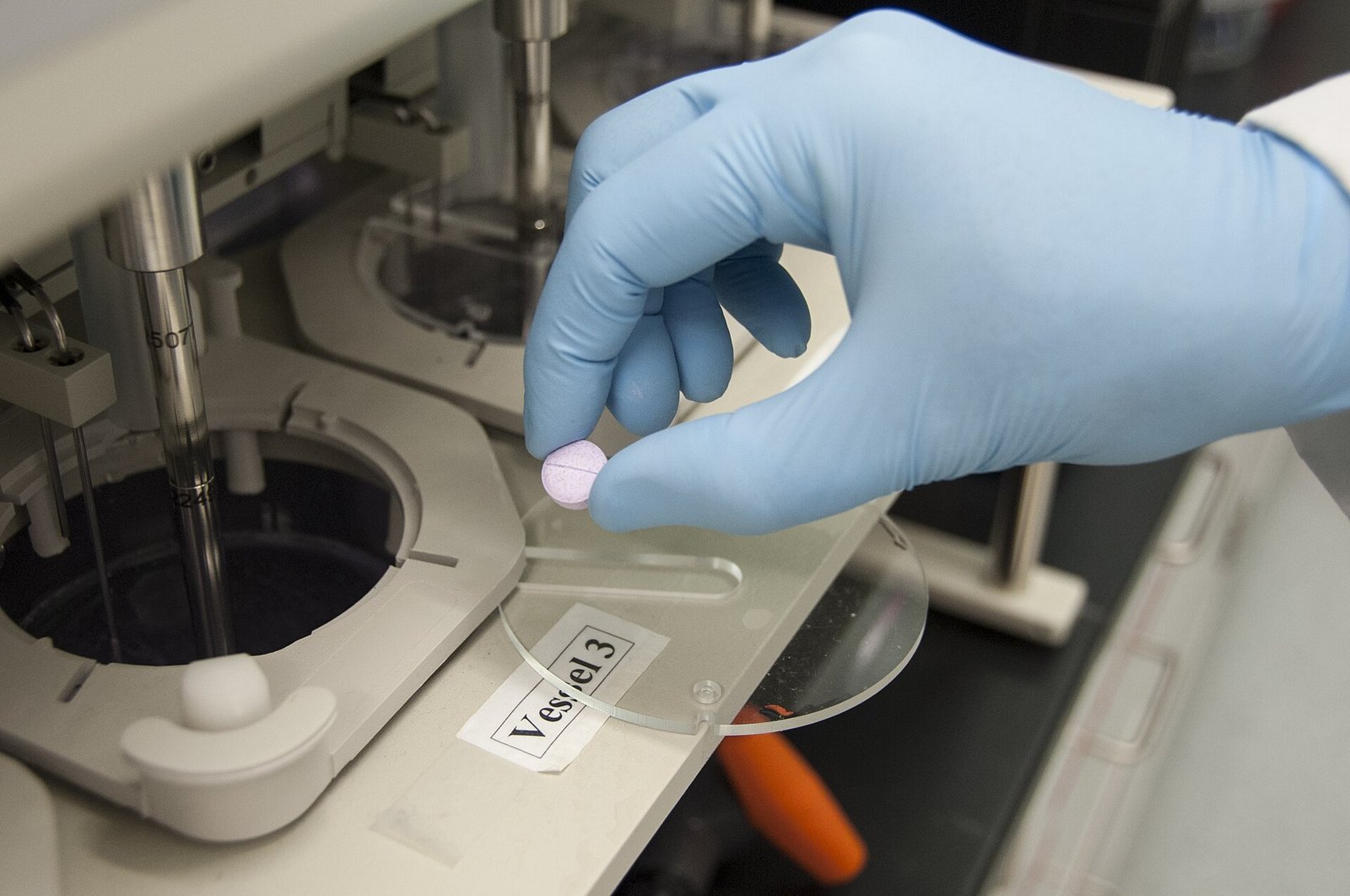
The acquisition gives Sanofi two commercialised medicines and a promising pipeline, the companies said. The centrepiece is Brinsupri, known generically as brensocatib, a once-daily oral pill that is the first and only approved treatment for non-cystic fibrosis bronchiectasis, a serious, chronic and progressive lung disease in which the airways become permanently widened, causing ongoing productive cough and flare-ups.
Brinsupri was launched in the United States in August 2025 and has already reached blockbuster status, delivering $1.09 billion in revenue through 30 September 2026, according to Sanofi. It is approved in the US, the European Union, the UK and Japan, with the eligible patient groups varying by country.
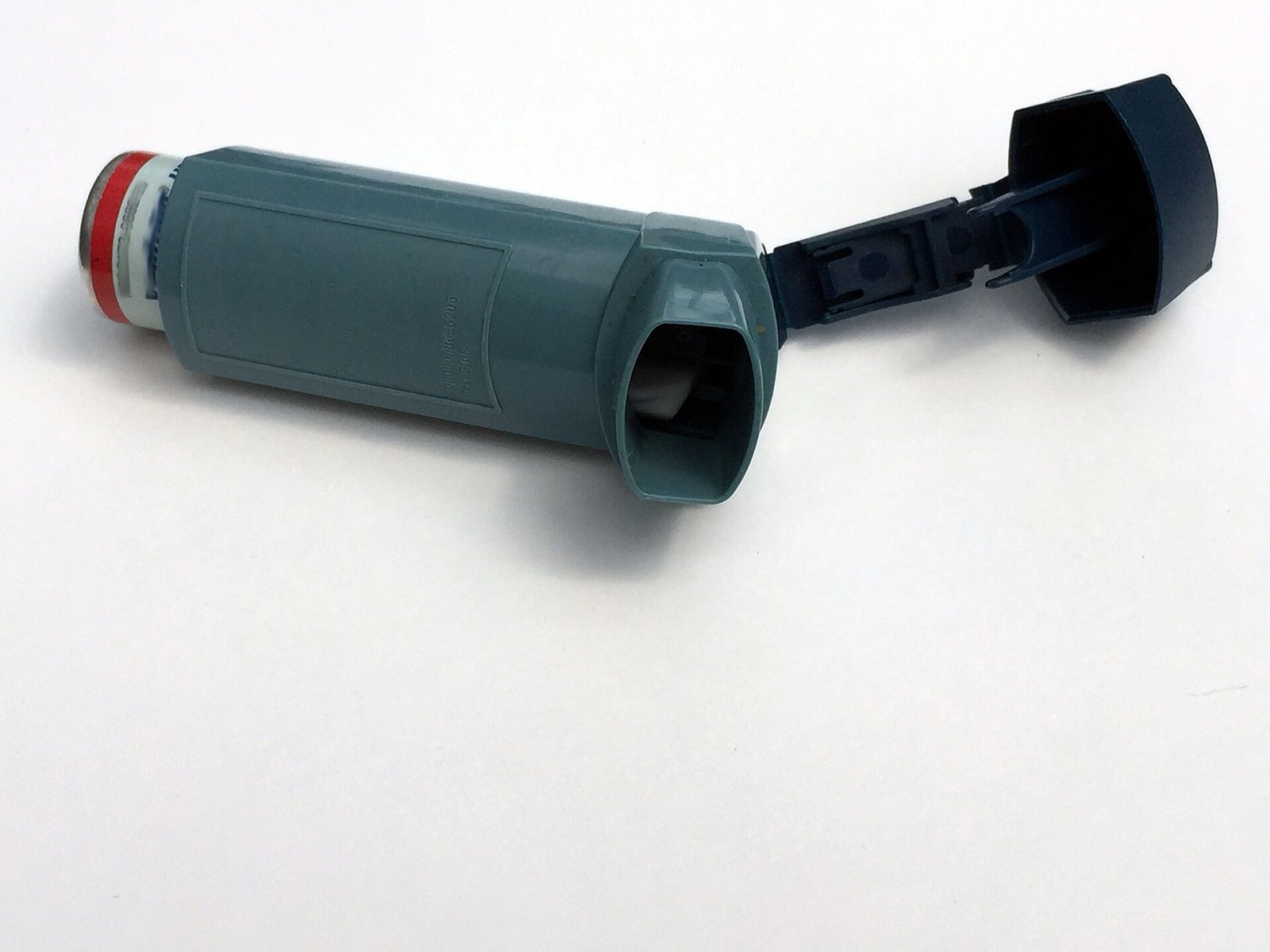
The second medicine is Arikayce, an inhaled antibacterial treatment used in combination with other drugs for certain adults with mycobacterium avium complex, or MAC, lung disease. Sanofi said Arikayce revenues were $433.8 million in 2025, up 19 percent year on year, and that the US Food and Drug Administration accepted an application for the drug under priority review in September.
A Pipeline Drug With Room to Grow
Alongside the two approved products, Sanofi will gain TPIP, short for treprostinil palmitil inhalation powder, a once-daily inhaled therapy now in Phase 3 trials. TPIP is being developed for pulmonary hypertension and fibrotic lung disease, with three Phase 3 studies under way — PALM-PAH in pulmonary arterial hypertension, PALM-ILD in pulmonary hypertension linked to interstitial lung disease, and PALM-PPF in progressive pulmonary fibrosis. A further Phase 3 study in idiopathic pulmonary fibrosis is planned to start in the first half of 2027.
Sanofi said TPIP could become a significant growth driver beyond 2030, subject to successful clinical development, regulatory approvals and commercial execution. The drug is not approved for any use in any country, and its safety and effectiveness have not been established.
For Sanofi, the value of the deal therefore rests not only on today’s sales, but on whether TPIP and the wider Insmed pipeline deliver in the years ahead.
Why Sanofi Is Buying Now
Sanofi’s chief executive, Belen Garijo, described the acquisition as “a major strategic step to significantly accelerate our mid- and long-term growth trajectory and further strengthen our mid- and early-stage pipeline.” She said Insmed built on Sanofi’s existing presence in respiratory diseases through a highly differentiated portfolio, strong science and proven commercial success.
Analysts have pointed to a more pressing reason. Sanofi’s key immunology drug, Dupixent, faces the start of patent expiry in 2031, according to MarketWatch, and the company needs new sources of growth to take its place. Reuters reported that Garijo told investors the Insmed portfolio offered combined peak sales potential expected to exceed $10 billion through the end of the next decade.
Insmed’s chair and chief executive, Will Lewis, said the deal “delivers immediate, certain cash value for Insmed shareholders” and would bring the company’s therapies to more patients around the world, faster than Insmed could on its own. He noted that in just over a year since launch, Brinsupri had become the standard of care for patients with non-cystic fibrosis bronchiectasis.
The Numbers Behind the Two Drugs
The commercial case for the deal can be summed up in a handful of figures released by Sanofi:
- $1.09 billion — revenue from Brinsupri through 30 September 2026, just over a year after its US launch.
- $433.8 million — Arikayce revenue in 2025, up 19 percent on the previous year.
- About 500,000 — the estimated number of diagnosed patients with non-cystic fibrosis bronchiectasis in the US, according to Insmed’s estimates.
- About 600,000 — the estimated diagnosed patient population across France, Germany, Italy, Spain and the UK combined.
- 95,000 to 115,000 — the estimated number of diagnosed MAC lung disease patients in the US.
Sanofi said it would fund the acquisition through a combination of debt financing and cash on hand, and that it had secured committed financing. It added that it expected to maintain a strong credit rating and its progressive dividend policy, and that the deal should add to its business earnings per share by the end of 2028. The acquisition is not expected to affect Sanofi’s financial guidance for 2026.
What Happens Next
The deal is not yet done. Before it can close, Insmed shareholders must approve it, and US and certain non-US regulators must give their clearance. Sanofi said that, subject to those conditions, the transaction was expected to close in the first half of 2027.
J.P. Morgan acted as exclusive financial adviser to Sanofi, with Cravath, Swaine & Moore as legal adviser. Goldman Sachs advised Insmed on the financial side, with Freshfields as its legal adviser.
The announcement comes in a year of closely watched drug approvals, and the industry will now be watching two things: whether regulators clear the deal on schedule, and whether Brinsupri’s rapid early sales can be sustained as Sanofi takes the medicine to more markets around the world.
If the deal closes as planned, Sanofi will have paid one of the largest sums in the industry’s recent history for a respiratory portfolio — a bet that lung disease, long overshadowed by cancer and immunology, is about to become one of its biggest businesses.
By The BNN Media
The Best News Network
News Beyond the Borders