 By
Business confidence in Pakistan has fallen sharply into negative territory, with foreign investors turning pessimistic for the first time, according to the latest survey by the Overseas Investors Chamber of Commerce and Industry.
By The BNN Media
The Best News Network
News Beyond the Borders
Karachi, Pakistan — Business confidence in Pakistan has fallen to minus 23 per cent, down 36 points from positive 13 per cent in the previous survey, according to the latest Business Confidence Survey released by the Overseas Investors Chamber of Commerce and Industry (OICCI). The survey, conducted across the country during September and October 2026, found confidence had turned negative in every major sector of the economy.
The Headline Numbers
The survey is the thirtieth wave of the OICCI Business Confidence Survey, and its findings cover businesses that together represent nearly 80 per cent of Pakistan’s gross domestic product. Respondents were drawn from manufacturing, services and retail and wholesale businesses in cities across the country.
The overall Business Confidence Index fell from positive 13 per cent in the previous wave, released on 2 June 2026, to minus 23 per cent in the latest wave, which was released on Tuesday, 24 November. The scale of the fall is striking: a swing of 36 percentage points in about five months, taking the headline reading from modestly positive to firmly negative.
The survey also shows that the gloom is not confined to one part of the economy. Confidence has turned negative across all three major business sectors, and businesses are pulling back on their plans to invest, hire and expand.
The headline figure is the starting point, not the whole story: the sharpest fall is among the foreign investors Pakistan is trying hardest to attract.
Foreign Investors Turn Pessimistic
The most significant finding in the survey concerns the OICCI’s own members — the multinational companies that invest in Pakistan. Confidence among OICCI members fell by 55 percentage points, from positive 28 per cent to minus 27 per cent.
That matters because it reverses a long-standing pattern. Foreign investors in Pakistan have traditionally reported stronger confidence than the wider business community, even in difficult times. For the first time, their confidence now sits below the overall business reading.
OICCI President Umar Ahsan Khan said the survey should serve as an important signal for policymakers, particularly as Pakistan seeks to attract investment and move towards sustainable, private-sector-led economic growth.
“The sharp decline in confidence, particularly among foreign investors, highlights the need to address the underlying structural issues affecting investment decisions. Businesses need a predictable policy environment, competitive taxation, affordable and reliable energy, and greater consistency in government decisions. Restoring confidence will be essential to unlocking fresh investment, supporting expansion and generating employment,” he said.
OICCI Secretary General M. Abdul Aleem said it was surprising to see the level of disappointment among the chamber’s members, who are established foreign investors with a long-term presence in Pakistan.
“It is indeed surprising to see the level of disappointment reflected in the responses of OICCI members. These are established foreign investors with a long-term presence in Pakistan, and historically their confidence levels have remained higher than those of the wider business community. The fact that this has now reversed warrants serious attention,” he said.
Every Sector in Negative Territory
Confidence fell in all three major sectors covered by the survey, and in each case the reading is now negative:
- Retail and wholesale recorded the steepest fall, dropping 45 points from positive 20 per cent to minus 25 per cent.
- Manufacturing fell 34 points, from positive 9 per cent to minus 25 per cent.
- Services fell 31 points, from positive 14 per cent to minus 17 per cent.
The fall in retail and wholesale confidence points to weak demand on the high street and in the markets, while the manufacturing decline raises questions about industrial orders, production and exports. Business leaders warn that caution over manufacturing investment could also affect jobs.
No part of the economy is confident right now — the survey’s negative readings run from the shop floor to the factory gate to the service sector.
Investment and Hiring Plans Weaken
The survey’s forward-looking measures are also weaker. The capital investment index fell from positive 2 per cent to minus 14 per cent, while the employment expectations index dropped from positive 17 per cent to minus 6 per cent. The business expansion index fell from positive 30 per cent to positive 3 per cent — still just above zero, but down 27 points.
Businesses are also markedly more downbeat about the recent past and the near future. As many as 78 per cent of respondents gave a negative assessment of business conditions over the preceding six months, compared with 47 per cent in the previous survey. Looking ahead, 44 per cent expect conditions to decline over the next six months, up from 34 per cent, while only 23 per cent expect an improvement, down from 47 per cent.
The figures describe what businesses expect and plan, not confirmed cuts to investment or jobs. But they suggest that companies are becoming more cautious about committing capital, hiring workers and expanding their operations.
What Is Driving the Gloom
The survey identifies rising inflation and high taxation as the two biggest threats to business growth, cited by 84 per cent and 81 per cent of respondents respectively. Energy costs, and recent fuel price adjustments in particular, have emerged as a significant driver of the decline: more than 90 per cent of businesses said recent fuel price changes had negatively affected their operations, with higher transport costs affecting between 80 and 88 per cent of businesses across different sectors.
Geopolitics is also weighing on sentiment. The survey was conducted against a backdrop of heightened tensions, including the United States–Iran war and wider instability in the Middle East. Business leaders point to higher fuel, freight and insurance costs linked to the conflict and to disruptions around the Strait of Hormuz and Bab el-Mandeb. Pakistan secured a $200 million credit line from Oman to steady its fuel imports, and fuel prices were cut again this week, but businesses say costs remain high.
At home, the State Bank’s reported decision in October to raise the policy rate to 12 per cent has increased financing costs for companies that rely on commercial credit, according to business leaders commenting on the survey. Policy uncertainty, security concerns and the high cost of doing business were also cited.
The OICCI notes that some macroeconomic indicators have shown improvement, but the survey suggests those gains have yet to translate into better business conditions or stronger investor sentiment on the ground.
What Business Leaders Want Next
Business leaders commenting on the survey have called on the government to broaden the tax base and reduce the burden on existing taxpayers. They have also urged the authorities to lower industrial electricity and gas costs, ensure timely tax refunds and maintain consistent economic policies.
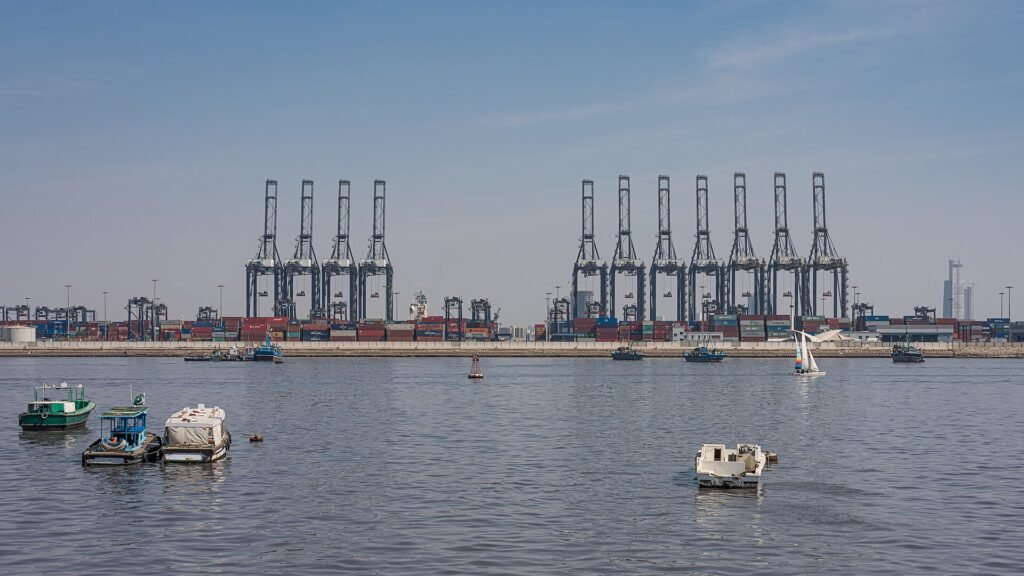
Exporters, they say, need better access to subsidised financing, faster port clearance and reliable shipping services. They have also called for consultations with the Federation of Pakistan Chambers of Commerce and Industry, the OICCI and other trade organisations to develop a practical strategy for restoring confidence.
There was one brighter note in the commentary around the survey: foreign direct investment rose from $764 million to $935 million during July to October of the current fiscal year, according to figures cited by business leaders. They cautioned, however, that falling confidence could affect future investment and reinvestment decisions if the underlying concerns are not addressed.
The chamber said it looked forward to continued engagement with the government and other stakeholders to address the concerns in the survey and work towards practical, timely measures to restore business confidence.
Confidence can recover, but the survey’s message is blunt: businesses want lower costs, steadier policy and a tax burden that is shared more fairly — and they want to see it happen, not just hear about it.
By The BNN Media
The Best News Network
News Beyond the Borders