 By
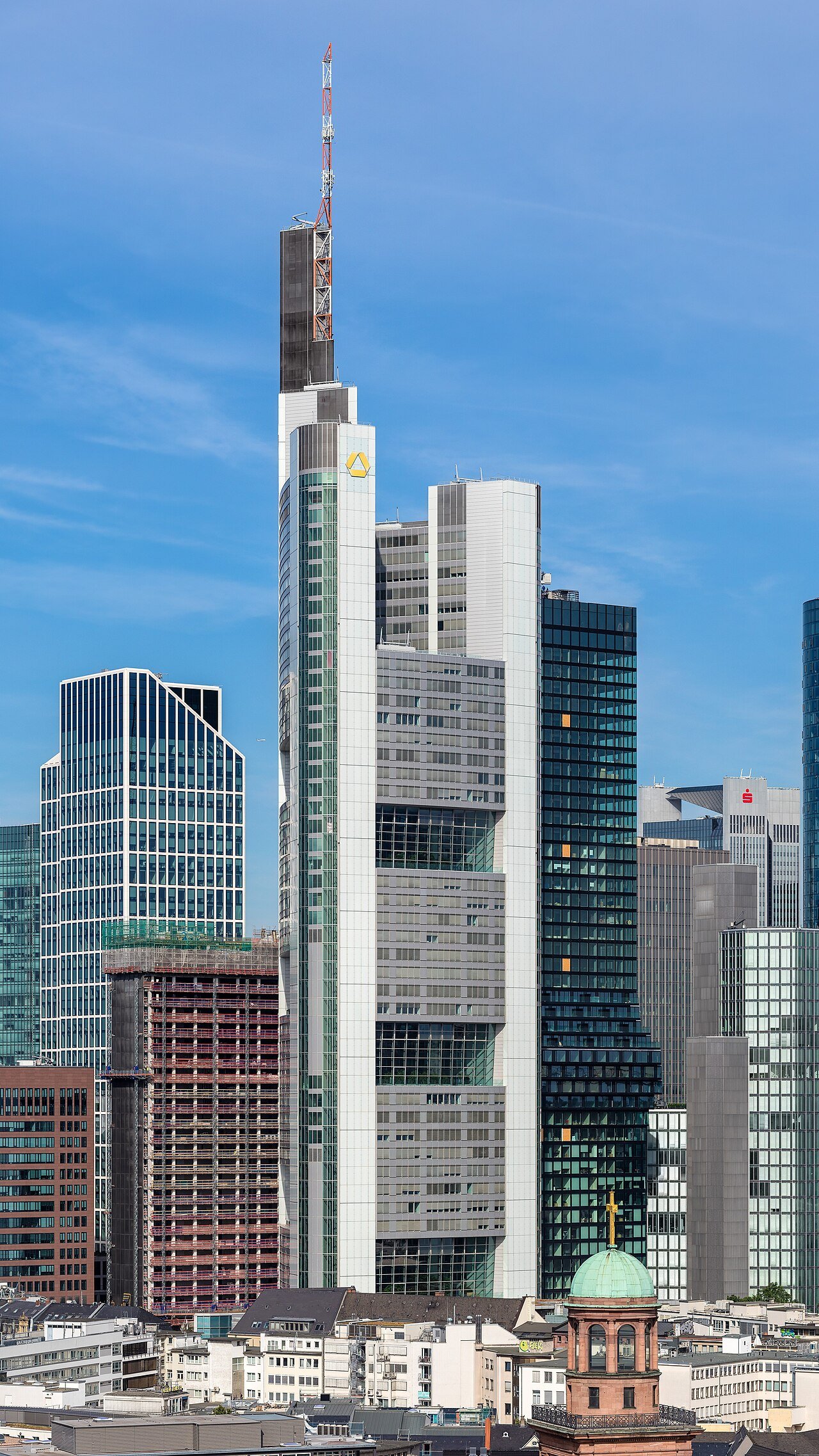
Italy’s UniCredit has cleared the last regulatory obstacle to taking control of Commerzbank and immediately moved to install its own people at the top of the German bank — with chief executive Andrea Orcel in line to become chairman.
By The BNN Media
The Best News Network
News Beyond the Borders
Milan, Italy — UniCredit is seeking the appointment of its chief executive, Andrea Orcel, as chairman of Commerzbank’s supervisory board after receiving the last remaining regulatory approval to take control of its German rival. The Italian bank said on Thursday that Poland’s financial supervision authority, the KNF, had given the offer its green light, meaning all conditions for the deal have now been met.
The Last Approval Falls Into Place
The Polish approval was the final piece of a long regulatory jigsaw. The European Central Bank approved the deal in October, and the European Commission, the European Union’s executive arm, gave its clearance last week, saying the combination would not raise competition concerns in the bloc.
The Polish sign-off mattered because Commerzbank owns 69 per cent of mBank, the Warsaw-listed lender. UniCredit has said it wants to keep its stake in Commerzbank just below 50 per cent to avoid triggering a mandatory buyout offer for mBank under Polish rules — and the deal also marks its return to Poland, where it once owned Bank Pekao.
UniCredit said shareholders who accepted its offer would receive their new UniCredit shares within 10 business days, which it expects to happen by 7 December.
With every regulator now satisfied, the contest over Commerzbank has moved from the deal table to the boardroom.
A Board Rebuilt in UniCredit’s Image
Within hours of the Polish approval, UniCredit asked Commerzbank to convene an extraordinary general meeting to overhaul its supervisory board. Commerzbank said UniCredit — which will hold 47.6 per cent of the voting rights in the bank once the offer settles — is seeking to replace nine out of 10 of the current shareholder representatives on the supervisory board.
The proposed nominees include UniCredit’s finance, digital and risk chiefs, as well as its new head of personnel. Michael Gorriz, a former chief information officer at Standard Chartered, is the only shareholder-appointed supervisory board member UniCredit plans to keep.
UniCredit also wants the supervisory board to remove some members of Commerzbank’s seven-strong board of managing directors, though it has not yet said how many. Commerzbank said it would examine UniCredit’s request and convene an extraordinary meeting if all statutory requirements are met.
Nine of ten shareholder seats would change hands — a near-total changing of the guard at the top of Germany’s second-largest listed bank.
Orcel’s Bid for the Chair
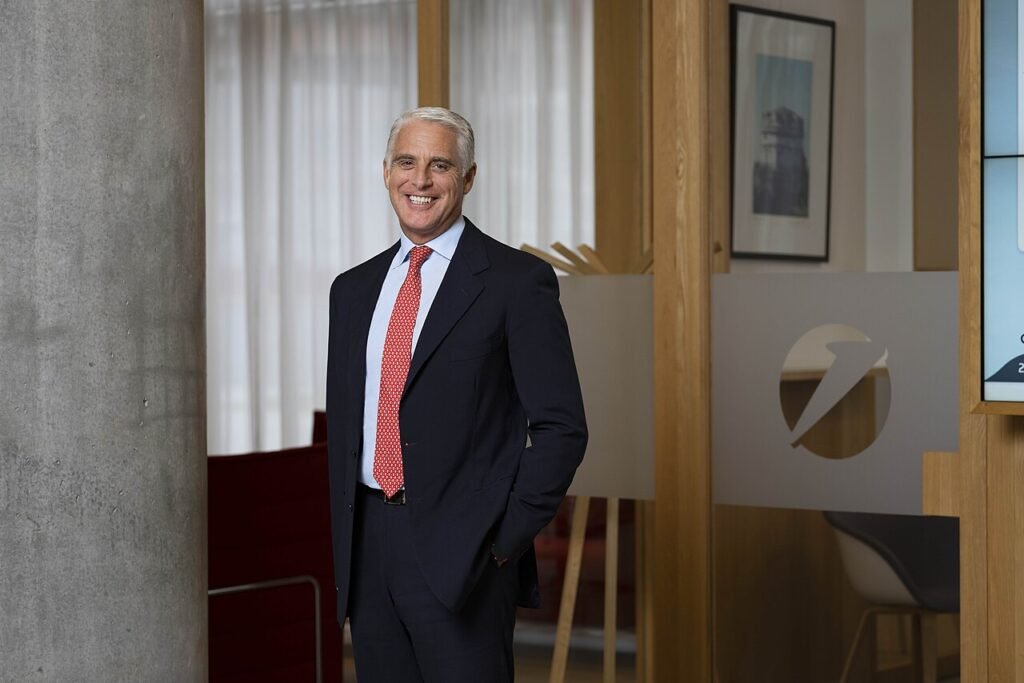
If elected to the supervisory board, Orcel will be proposed as a candidate for chairman, subject to the supervisory fit-and-proper assessment, Commerzbank said. UniCredit expects him to become supervisory board chair.
He would replace the current chairman, Jens Weidmann, a former head of Germany’s Bundesbank. Reuters reported in September that Orcel had plans to push out both Weidmann and Commerzbank’s chief executive, Bettina Orlopp — a sign that the governance overhaul may not stop at the supervisory board.
The dual role would be unusual: Orcel would remain chief executive of UniCredit while chairing the supervisory board of the German bank it now controls. The fit-and-proper assessment by supervisors will be the first formal test of that arrangement.
Orcel has driven this takeover from the first stake purchase; now he wants the chair from which to run the bank he has bought.
Two Years of Building a Stake
UniCredit began building its position in Commerzbank in September 2024 and has steadily increased its ownership since, including through a tender offer for all of the German bank’s shares earlier this year.
- September 2024: UniCredit starts building its stake in Germany’s second-largest listed bank.
- July 2026: UniCredit concludes its €39 billion ($43 billion) offer — 0.485 of its own shares for every Commerzbank share tendered — securing effective control, helped by derivative contracts.
- October 2026: The European Central Bank approves the deal.
- Last week: The European Commission clears the deal on competition grounds, and UniCredit reaches an agreement with the German government.
- 26 November 2026: Poland’s KNF gives the final approval; UniCredit asks for an extraordinary meeting to remake the board.
The July offer handed UniCredit a further 17.6 per cent of Commerzbank, lifting its overall stake to just below 50 per cent — 18.9 per cent once Commerzbank’s share buybacks are taken into account. Commerzbank is currently valued at around €37 billion ($40.61 billion), making the takeover Europe’s biggest banking deal since the 2008–09 financial crisis, and the largest cross-border banking tie-up in nearly two decades.
What began as a quiet stake-building exercise in 2024 has ended, two years on, in outright control.
Berlin’s Thaw
The bid initially faced resistance from Commerzbank’s management and the German government, before relations thawed in recent weeks. Last week, UniCredit reached an agreement with Berlin to resolve the key issues in the process, including by agreeing to keep Commerzbank’s headquarters and its listing in Frankfurt.
As a concession to UniCredit, Germany said it would not seek to directly nominate members for Commerzbank’s supervisory board. In turn, to maintain good relations with Berlin, UniCredit said it had secured government approval for two independent candidates it planned to nominate instead.
“UniCredit remains committed to completing the transaction in a disciplined and orderly manner, building on Commerzbank’s strengths and creating long-term value for clients, employees, shareholders and the wider economy,” the Italian bank said.
The German government’s opposition, once the takeover’s biggest political obstacle, has given way to a negotiated settlement both sides can live with.
What Happens Next
The new governance arrangements and the implementation of UniCredit’s strategy for Commerzbank are expected by the first quarter of 2027. UniCredit plans to keep Commerzbank separate from its German unit, HypoVereinsbank, until at least 2028, giving it time to align the two operations before any merger discussions.
Earlier this month, however, UniCredit said a combination between Commerzbank and HypoVereinsbank could happen earlier than first expected, which it said would release substantial extra value and synergies. It had previously indicated it would take that step only after 2028, and only with the backing of shareholders, employees and clients.
The extraordinary general meeting, the fit-and-proper assessment of Orcel and the reshaping of the management board are the next steps to watch — along with whether the new board moves faster than planned towards a full combination of the two German banks.
The takeover is now a question of execution, not approval — and the first test comes at the shareholder meeting UniCredit has demanded.
Why It Matters for European Banking
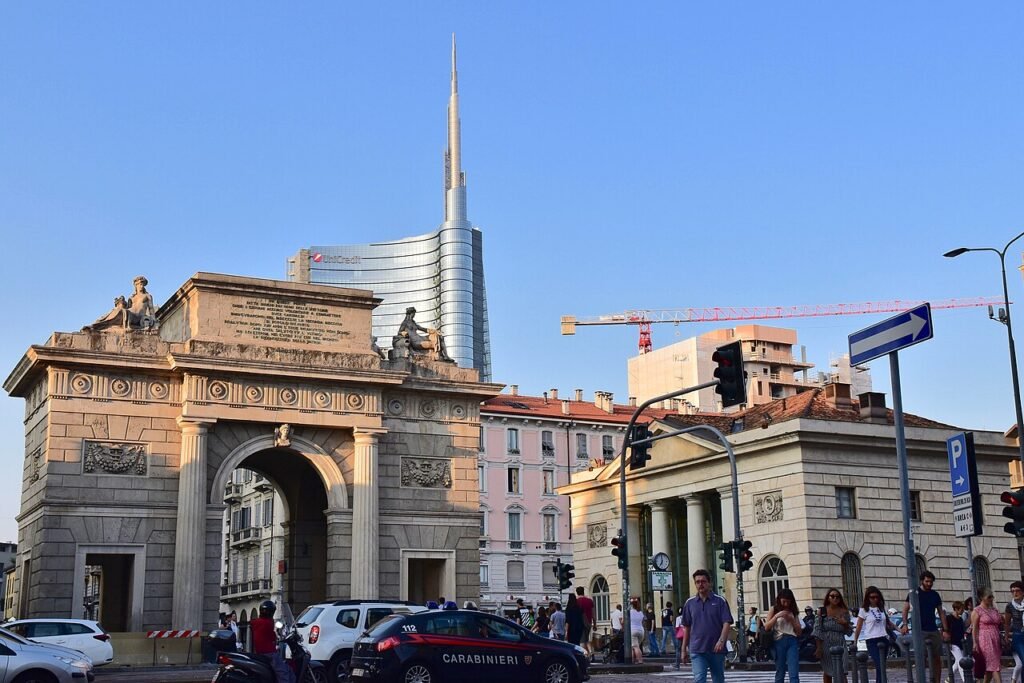
The deal comes as the European Union’s authorities renew efforts for closer financial integration across the bloc. A combined UniCredit–Commerzbank would create a banking group spanning Italy and Germany, the eurozone’s two largest economies, with a major presence in Poland through mBank.
For Commerzbank’s customers and staff, the immediate questions are practical: how much of the bank’s strategy changes under UniCredit’s board, and how quickly. For Europe’s banking sector, the question is whether this deal — the biggest since the financial crisis — opens the door to more cross-border mergers that politicians and regulators have long talked about but rarely allowed.
After two years of resistance, negotiation and regulatory clearance, Europe’s biggest banking deal in a generation is about to be run from Milan.
By The BNN Media
The Best News Network
News Beyond the Borders