 By
New figures from the US Centers for Disease Control and Prevention show at least 3.7 million flu illnesses, 50,000 hospitalisations and seven deaths among children so far this season — a sharp jump in a single week as the virus spreads earlier than usual and Thanksgiving travel approaches.
By The BNN Media
The Best News Network
News Beyond the Borders
Atlanta, United States — At least seven children have died and about 50,000 people have been treated in hospitals in the United States amid an unusually early and severe flu season, according to new data from the Centers for Disease Control and Prevention (CDC). The figures, published on Friday, 20 November 2026, show the season accelerating fast — and health officials expect cases and hospital admissions to keep rising through the Thanksgiving holiday week.
The New Figures — a Sharp Jump in One Week
The CDC’s weekly FluView report, covering the week ending 14 November 2026, estimates that there have been at least 3.7 million flu illnesses, 50,000 hospitalisations and 2,800 deaths associated with flu so far this season. Seven children are among the dead.
The totals are a sharp jump from the previous week’s report. In its update for the week ending 7 November, the CDC estimated at least 2.6 million illnesses, 36,000 hospitalisations and 2,100 deaths, with five paediatric deaths reported at that point. In a single week, in other words, estimated illnesses rose by more than a million, hospitalisations by 14,000, and the child death toll by two.
Two of the seven child deaths were newly reported in the latest week, with the deaths themselves occurring during the weeks ending 7 and 14 November. The CDC cautions that the paediatric death count is preliminary: because case investigation takes time, child deaths may be reported weeks after they occur, so the current tally of seven could rise even if no new deaths occur.
The CDC also reported a further paediatric death from last season, bringing the 2025–26 season’s total to 204 child deaths — a reminder of how serious flu can be for children even in an ordinary year.
In one week, the season’s estimated toll grew by more than a million illnesses and 14,000 hospitalisations. That is the speed at which this early flu season is moving.
A Season That Arrived Early
This is a follow-on to BNN’s earlier report on the unusually high flu activity already seen in November — and the new figures confirm that the early spike was not a blip. Flu activity is now, in the CDC’s words, “higher than typically observed at this time of year,” and it continues to increase nationally.
The proportion of outpatients seeking care for influenza-like illness reached 3.8 per cent in the week ending 14 November, up from 3.2 per cent the previous week and above the national baseline of 2.9 per cent for the second consecutive week. Activity increased in all regions of the country except the Northeast, and in all age groups.
Laboratory testing tells the same story. In that week, 11.8 per cent of specimens tested at clinical laboratories came back positive for flu. Hospitals reported 11,734 laboratory-confirmed flu admissions in a single week, the first time this season weekly admissions have crossed 10,000, and the cumulative hospitalisation rate now stands at 12 per 100,000 people.
The states with the highest flu activity include California, Colorado, Georgia, Louisiana, New Mexico, Oregon, South Carolina, Tennessee, Texas and Washington.
The season did not wait for winter. By mid-November, flu was already spreading at a pace normally seen weeks later — and it was still climbing.
Hospitals Under Pressure Before Thanksgiving
The hospital figures are the most worrying part of the update. The influenza-associated hospital admission rate rose to 3.5 per 100,000 population in the week ending 14 November, up from the previous week. The highest admission rate was among adults aged 65 and over, at 10.6 per 100,000, followed by children aged 0 to 4, at 4.0, and adults aged 50 to 64, at 3.4.
The timing could hardly be worse. Thanksgiving falls on Thursday, 26 November 2026 — the biggest travel and gathering week of the American year — and the CDC’s FluSight forecasts predict a likely increase nationally in both flu hospital admissions and the percentage of emergency department visits due to flu for the week ending 5 December. New flu hospital admissions are forecast to range from 9,200 to 36,100, while the national share of emergency department visits due to flu is forecast to range from 1.7 per cent to 7.6 per cent.
In Ohio, the human cost was brought home locally when a teenager in Ross County died of influenza, county health officials confirmed on 20 November. It was not clear from the report whether that death is counted among the seven paediatric deaths in the CDC’s national tally. Ohio typically sees between one and seven flu-associated deaths in children each season.
Hospitals are admitting more than 11,000 flu patients a week — and the year’s biggest family gathering is still six days away.

The Virus Behind the Surge
Almost all of the flu circulating this season is influenza A. Of the 613 influenza viruses reported by public health laboratories in the week ending 14 November, 608 were influenza A and five were influenza B. Of the 365 influenza A viruses subtyped, 352 — or 96.4 per cent — were influenza A(H1N1)pdm09, the descendant of the 2009 pandemic virus, which is now a regular seasonal strain. Twelve were A(H3N2) and one was A(H5).
The dominance of a single strain is significant for two reasons. First, it means the season’s pattern is being driven by one virus rather than a mix. Second, the H1N1 strain is the one the current flu vaccine is designed to protect against, which makes vaccination — and the timing of it — especially relevant this year.
The CDC’s preliminary in-season severity assessment has classified the severity of influenza activity at this point in the season as “low” across all ages and all age groups. That assessment reflects the proportion of cases that become severe rather than the total number of cases — and with cases rising so early, the total burden on hospitals is already substantial.
The agency also repeated an important caveat: an early increase in activity does not predict a higher seasonal peak or a worse season overall. The CDC said it expects the 2026–27 respiratory illness season to be much like last season — but that expectation will be tested by the weeks ahead.
One strain, H1N1, is driving almost the entire surge — and it is the strain this year’s vaccine is built to fight.

What People Should Do Now
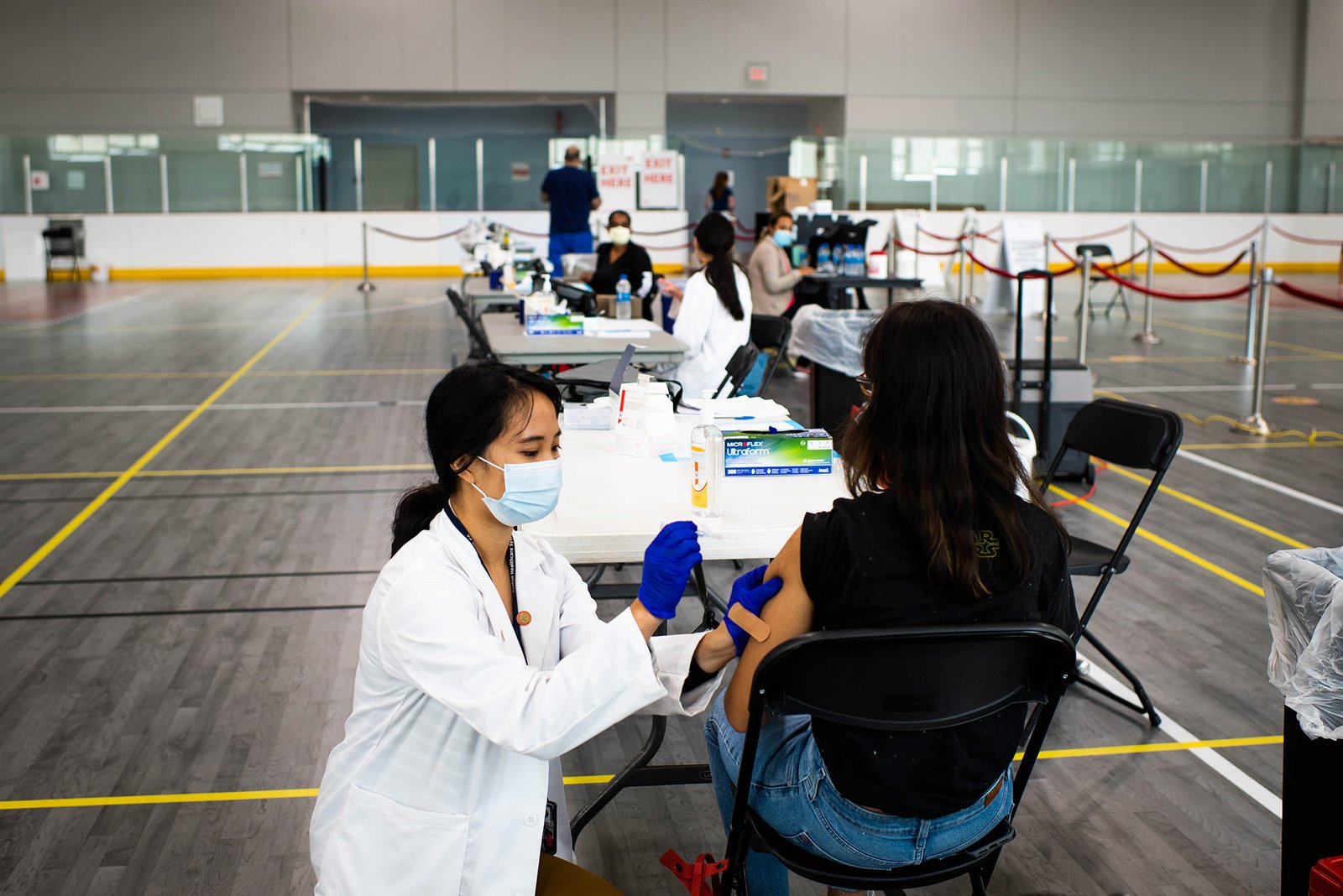
Health officials say the most useful steps are the familiar ones, and the time to take them is now — before Thanksgiving gatherings bring families together indoors.
- Get vaccinated. The CDC recommends a flu vaccine for everyone aged six months and older, and says it is not too late to get one. Protection takes about two weeks to develop, so a jab now still helps before the expected peak.
- Seek care early if you are high-risk. Prescription flu antiviral drugs can treat flu illness, and they should be started as early as possible — especially for patients at higher risk of complications, including young children, older adults, pregnant women and people with chronic health conditions.
- Stay home when sick. Anyone with flu-like symptoms should avoid visiting elderly relatives or newborns, and should stay away from work, school or gatherings until fever-free.
- Practise basic hygiene. Regular hand-washing, covering coughs and sneezes, and good ventilation indoors all reduce spread.
- Watch children closely. Parents should seek medical care promptly if a child has difficulty breathing, persistent vomiting, a fever that returns after improving, or unusual drowsiness.
The CDC publishes new FluView data every Friday, but because of the Thanksgiving holiday, the next report — covering week 46 — will not be posted until 30 November. That report will show whether the early rise is flattening or building towards a larger winter peak.
The vaccine takes about two weeks to work. With Thanksgiving days away, the best time to get it was last month — the second-best time is today.
The Bigger Picture
The 2026–27 flu season is a reminder that “flu season” is a calendar habit, not a law of nature — and this year the virus has not waited for December. Seven dead children, 50,000 hospitalisations and 3.7 million illnesses before Thanksgiving are numbers that demand attention, even if the CDC’s severity rating remains low for now.
The reassuring notes are real: a vaccine matched to the dominant strain is available, antiviral treatments work when started early, and an early rise does not automatically mean a worse season overall. But those reassurances only help if people act on them — and the window before the holiday is measured in days, not weeks.
As families prepare to travel and gather, the advice from public health officials is simple: get the jab, stay home if you are ill, and take a child’s flu symptoms seriously. This season has already shown how quickly the numbers can move.
Seven children dead before Thanksgiving is not a statistic to get used to. It is a warning — and the response is in everyone’s hands.
By The BNN Media
The Best News Network
News Beyond the Borders
Sources: US Centers for Disease Control and Prevention, Weekly US Influenza Surveillance Report, Week 45 (ending 14 November 2026), FluView, published 20 November 2026; CBS News, “At least 7 children dead, 50,000 people treated in hospitals amid early flu season surge” (20 November 2026); CIDRAP, “US flu activity continues to climb” (20 November 2026); Medical Daily, “Ross County Teen Dies of Flu” (20 November 2026, reporting WSYX).