By
With severe cyclonic storm Akvan closing in on India’s east coast, Odisha has evacuated more than 80,000 people, shut schools across 11 districts and deployed dozens of rescue teams — racing to keep the toll at zero before the storm comes ashore on Friday.
By Salman Qureshi
Cameraman / Photographer | The BNN Media – The Best News Network
News Beyond the Borders
Bhubaneswar, India — The eastern Indian state of Odisha has evacuated more than 80,000 people to safety and deployed 74 rescue teams as severe cyclonic storm Akvan bears down on the coast, with landfall expected between Narsapur in Andhra Pradesh and Puri in Odisha, close to east of Gopalpur, by Friday noon, according to the India Meteorological Department (IMD).
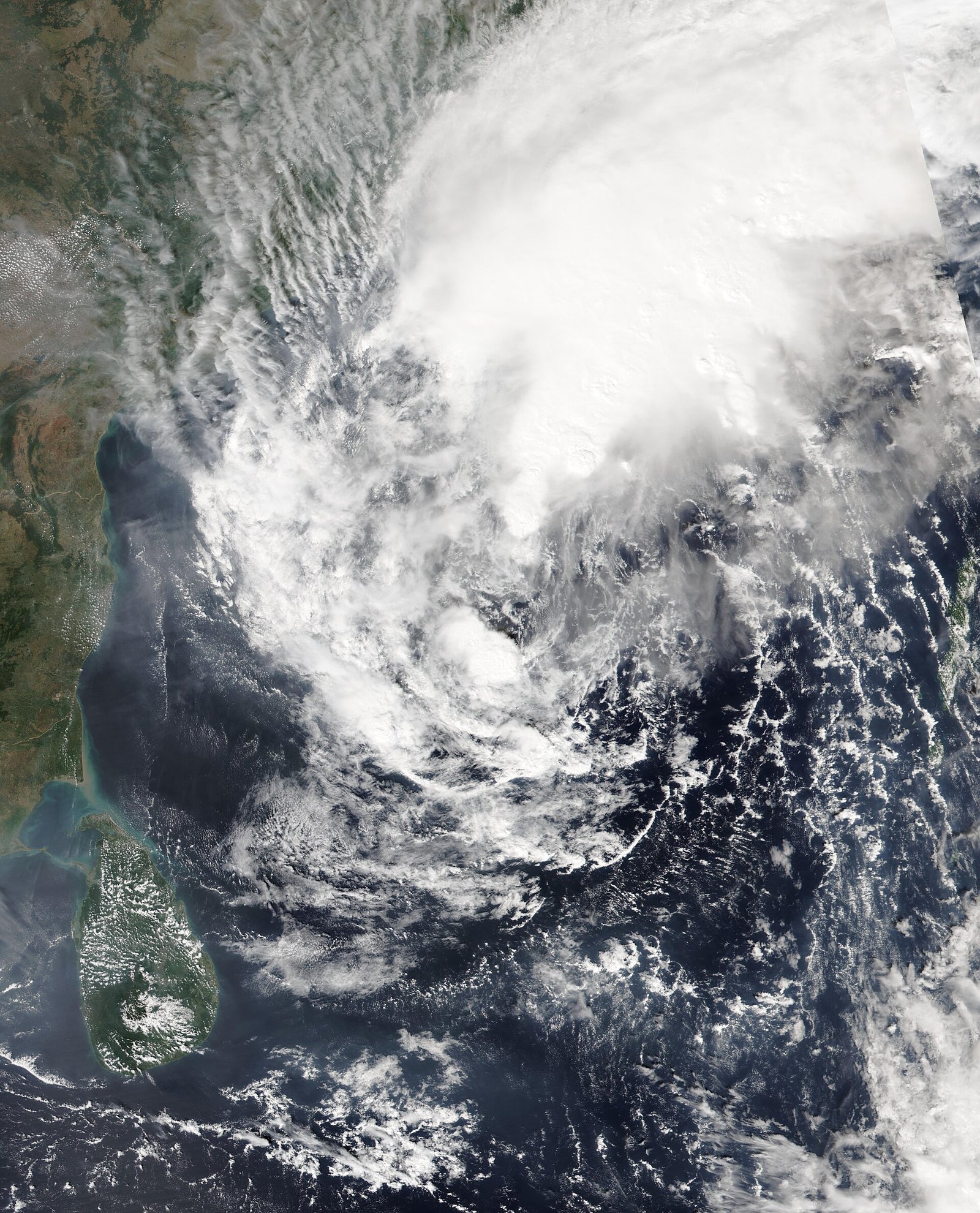
A Coast on High Alert
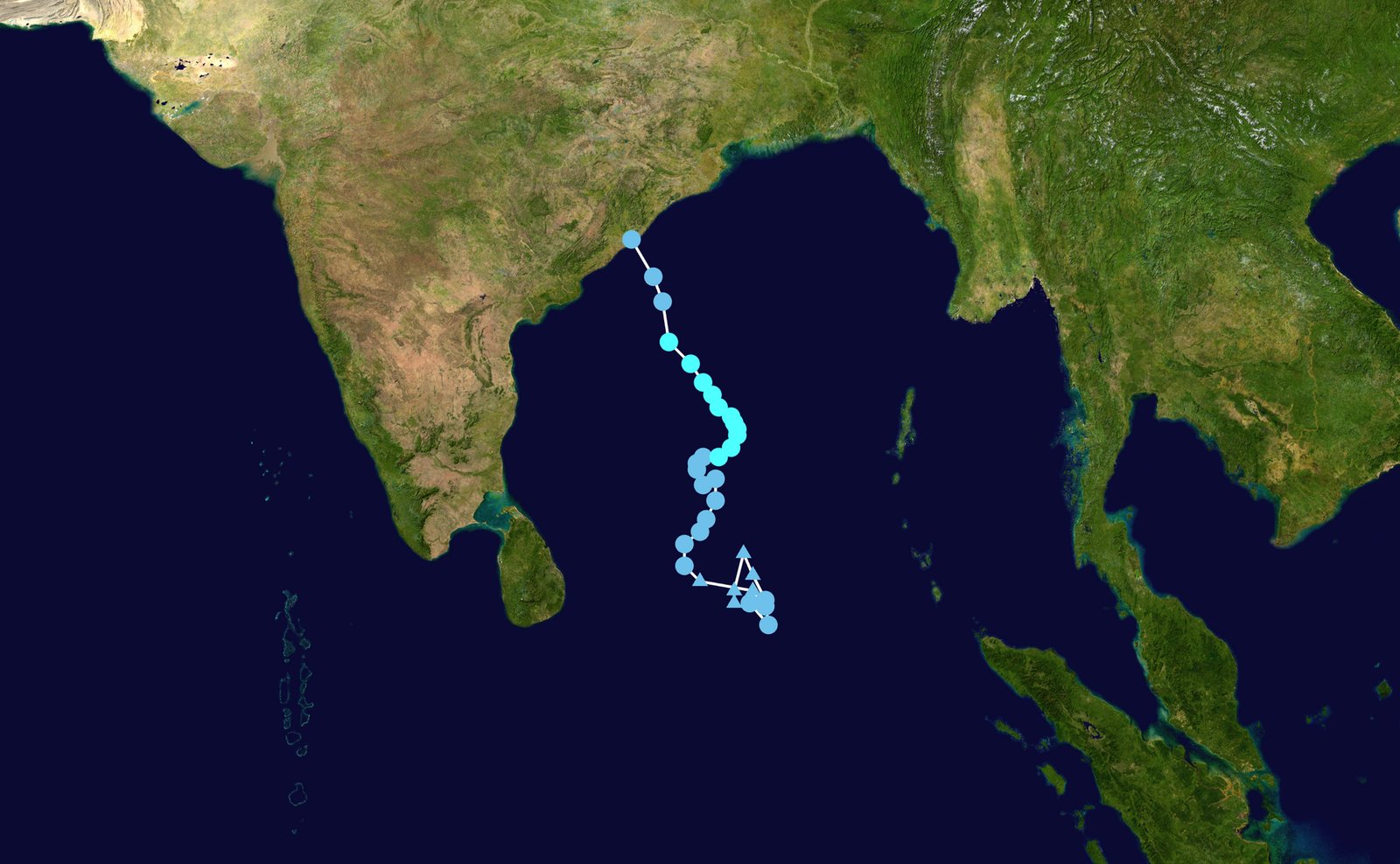
Akvan gathered strength over the Bay of Bengal through the week, moving northwards at about 12 kilometres per hour. In its morning bulletin on Thursday, the IMD said the storm was centred about 440 kilometres east-southeast of Narsapur, 530 kilometres south of Gopalpur and 590 kilometres south of Puri, and was expected to cross the coast with maximum sustained winds of 90 to 100 kilometres per hour, gusting to 110.
Rain was already lashing the Odisha capital, Bhubaneswar, as well as Balasore, Keonjhar, Mayurbhanj, Cuttack, Puri and Ganjam on Thursday, and the weather office warned of heavy to very heavy rainfall — in places extremely heavy — across 11 districts on Thursday and Friday.
Red alerts — the IMD’s highest warning level, meaning “take action” — were issued for Ganjam, Gajapati, Kandhamal, Puri, Jagatsinghpur and Kendrapada for 19 November, with further red alerts for Mayurbhanj and Balasore as the system moves north on 20 November.
The storm is coming. The only question now is how much damage it will do when it arrives.
The Great Evacuation
The evacuation has been the largest civil operation Odisha has mounted this year. Officials said the state had set a target of moving 2 lakh (200,000) people out of vulnerable low-lying areas and homes made of mud and thatch. The count rose through Thursday as buses and rescue teams worked village by village:
- Around 50,000 people had been moved by Wednesday evening, according to early official figures
- About 72,000 people had been shifted by Thursday, Chief Secretary Anu Garg said
- More than 80,000 people had been moved to safety by Thursday afternoon, officials told The Hindu BusinessLine
- Later live updates on Thursday evening put the figure above 1 lakh (100,000), with the count still rising
The state has identified 3,000 cyclone shelters, of which 448 were already operational, with free kitchens serving the evacuated people. In Ganjam district alone, 308 shelters were open. The district administration said 1,098 pregnant women in Ganjam had been shifted to safety.
Behind every number is a family that left its home carrying what it could — and a state determined that no one should be left behind.
Ganjam Braces for the Worst
Ganjam, on Odisha’s southern coast, is expected to be the worst hit, and it has seen the largest evacuation. By 6am on Thursday, the district administration had shifted 36,398 people to shelters, and the operation was still under way.
Four teams of the Odisha Disaster Rapid Action Force (ODRAF), three of the National Disaster Response Force (NDRF), 24 of the Fire and Emergency Services and 10 of the Odisha Forest Development Corporation were deployed across all blocks of Ganjam. Across the state, 74 rescue teams were in position in Malkangiri, Koraput, Rayagada, Kalahandi, Gajapati, Ganjam, Kandhamal, Boudh, Puri, Nayagarh and Khurda districts, and 14 senior officers were assigned to 14 districts to coordinate relief and restoration.
As a precaution against landslides and falling trees, the administration sealed the Kalinga and Daringbadi ghat roads in Kandhamal district. In Puri, red warning flags were put up along the beach to keep tourists and local people out of the extremely rough sea, with NDRF and fire teams deployed in vulnerable coastal blocks including Krushnaprasad, Satapada and Chandrabhaga.
Ganjam has been hit three times in as many weeks — and its people are being moved before the storm, not after it.
Schools Shut, Trains Cancelled, Leave Suspended
The state government ordered educational institutions closed in districts under red, orange and yellow warnings. Schools, colleges and Anganwadi centres were shut in Ganjam, Gajapati, Puri, Khordha, Jagatsinghpur, Kendrapada, Kandhamal, Malkangiri, Koraput, Nayagarh and Rayagada — 11 districts in all — with closures in six districts running for three days from Thursday.
39 trains scheduled for 19, 20 and 21 November were cancelled as a precaution, and the government suspended leave for its employees while senior bureaucrats were posted to vulnerable areas.
Odisha Police stepped up preparedness across seven districts, with 18 ODRAF teams deployed and police stations and control rooms placed on round-the-clock alert.
When a state cancels trains, closes schools and suspends leave, it is not overreacting — it is remembering what cyclones have cost before.
“Zero Casualty Is Our Aim”
Chief Minister Mohan Charan Majhi, who reviewed preparations at the Special Relief Commissioner’s control room in Bhubaneswar, said the highest number of people would be evacuated from Ganjam district. “Our target is zero casualties, and the evacuation drive has been launched in a massive manner, both in the plains and hilly terrain,” he said.
That target carries painful weight in Ganjam. This is the third major weather event to hit the district in as many weeks, following cyclones Arnab and Murasu. During Cyclone Arnab, at least 11 people lost their lives in Odisha, with six still reported missing — a reminder of why the state moves people first and counts the cost later.
What Happens Next
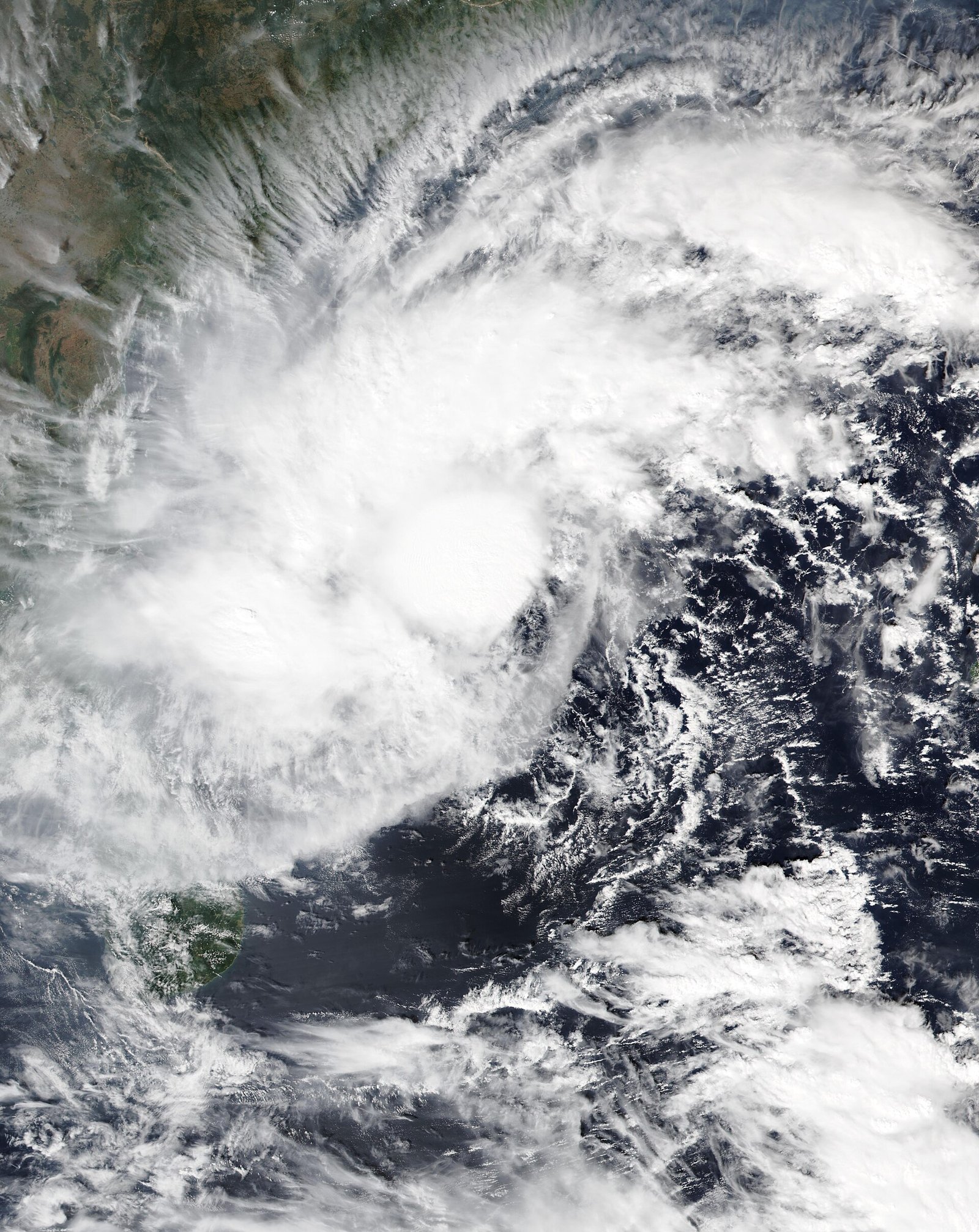
The IMD expects the landfall process to begin on the night of 19 November and continue until late evening on 20 November. Heavy to very heavy rainfall is forecast across coastal and southern Odisha and coastal Andhra Pradesh, with the IMD issuing a red alert for Srikakulam and Vizianagaram districts in Andhra Pradesh and orange alerts for Parvatipuram Manyam, Alluri Sitaramaraju and Anakapalli.
Once Akvan crosses the coast, the focus will shift from evacuation to relief: restoring power and roads, clearing fallen trees, and getting people back to homes that may no longer be standing. The shelters, the kitchens and the rescue teams are already in place for that second phase.
The storm will be measured in wind speeds and rainfall. The response will be measured in lives saved.
By Salman Qureshi
Cameraman / Photographer | The BNN Media – The Best News Network
News Beyond the Borders
Sources: The Hindu BusinessLine — “Odisha evacuates over 80,000 people, deploys 74 rescue teams in view of Cyclone Akvan” (https://www.thehindubusinessline.com/news/national/odisha-evacuates-over-80000-people-deploys-74-rescue-teams-in-view-of-cyclone-akvan/article71719071.ece); The Daily Jagran — Cyclone Akvan live tracker (https://www.thedailyjagran.com/india/news/cyclone-akvan-tracker-live-updates-andhra-pradesh-odisha-narasapur-puri-weather-tamil-nadu-strong-wind-heavy-rainfall-evacuation-ndrf-sea-latest-10336802); TBS News — “India evacuates 50,000 people ahead of Cyclone Akvan” (https://www.tbsnews.net/world/south-asia/india-evacuates-50000-people-ahead-cyclone-akvan-1607476); Odisha.plus — “Cyclone Akvan: 72,000 Evacuated in Odisha” (https://odisha.plus/2026/11/cyclone-akvan-odisha-72000-evacuated/). All figures attributed to the India Meteorological Department and Odisha state officials as reported by these outlets.