By
Dubai’s benchmark stock index has climbed back above the level it stood at before the Iran war began in late February, completing a recovery that has turned the emirate’s market from the Gulf’s biggest laggard into one of its best performers this year.
By The BNN Media
The Best News Network
News Beyond the Borders
Dubai, United Arab Emirates — The Dubai Financial Market General Index rose 1.2 per cent to 6,563.30 points on Friday, surpassing its closing level of 6,503.50 points on 27 February, the last trading session before the war began, according to Dow Jones Newswires, erasing all of the losses the market suffered since the conflict started.
Banks and Property Lead the Recovery
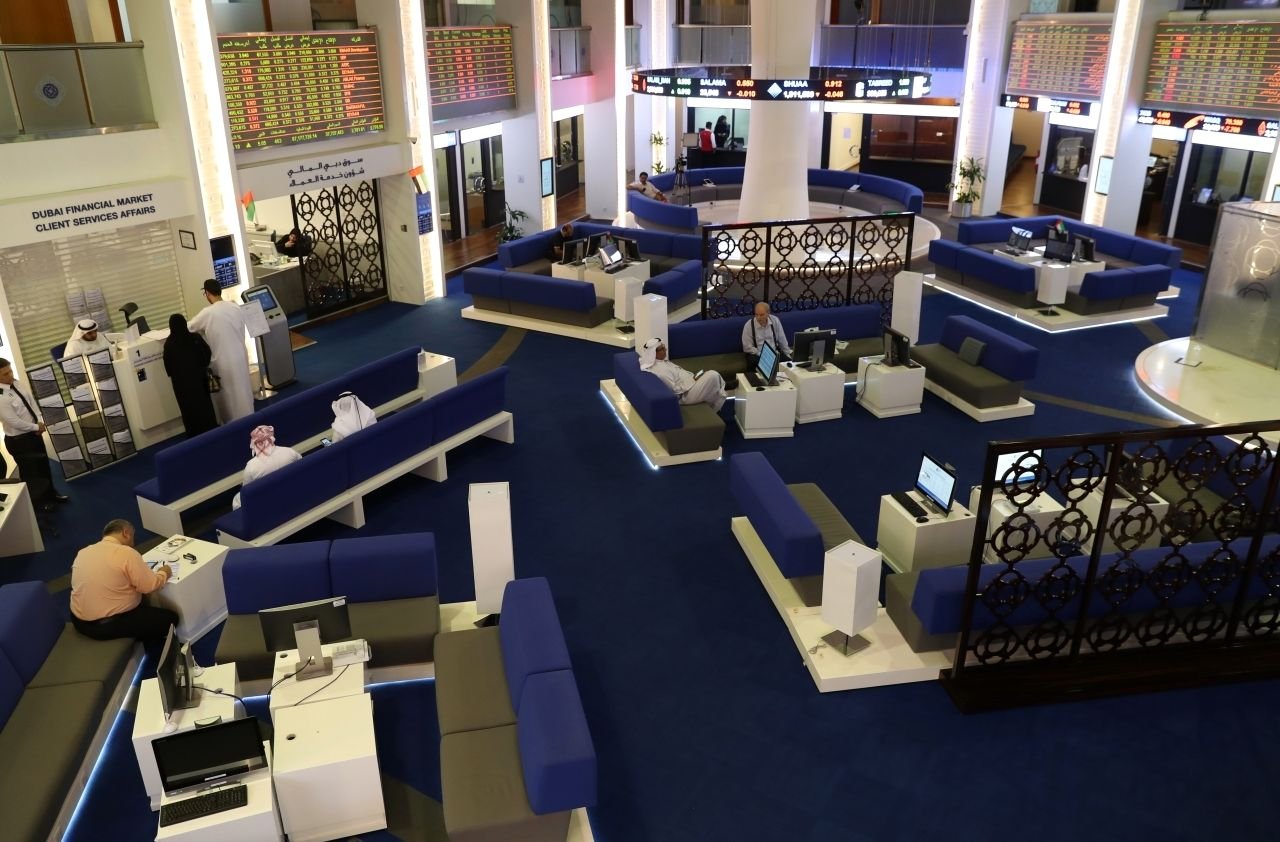
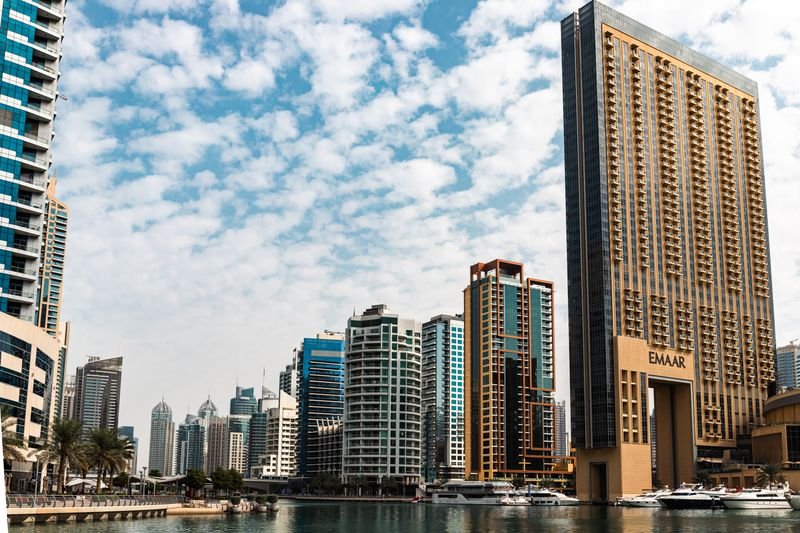
Friday’s advance was led by the heavyweight names that dominate the Dubai market. Index heavyweight Emaar Properties rose 2 per cent, while Dubai Islamic Bank and Emirates NBD gained 3 per cent and 2.2 per cent respectively, according to Dow Jones. Shares of the exchange operator itself, Dubai Financial Market, jumped 7.1 per cent.
The gains capped a remarkable month for the emirate’s equities. The index has gained nearly 14 per cent so far this month, Dow Jones reported, a run that market reports describe as potentially its strongest monthly gain since April 2020. For the week, the benchmark surged 5.6 per cent, its biggest weekly gain in nearly 17 months, according to LSEG data cited by Reuters.
The rally has been broad as well as fast. Dubai was the only major Gulf equity market to have recorded gains this year as of last week, according to a report by SICO, a Bahrain-based investment bank cited by Dow Jones. The benchmark was up 3.3 per cent for the year, compared with a 1.2 per cent decline in the S&P GCC Index over the same period.
In nine months, Dubai has gone from the region’s worst performer to one of its best — and the move has been led by the banks and developers at the heart of its economy.
From Biggest Laggard to Top Performer
The turnaround is striking because of where Dubai started. When the Iran war began in late February, Gulf markets fell sharply on fears of a wider regional conflict, and Dubai — open, trade-dependent and closely watched by international investors — fell further than its neighbours. For months afterwards it was the Gulf’s biggest laggard, with the losses of the war period hanging over the index even as other regional markets stabilised.
That position has now reversed. Bloomberg reported on Friday that Dubai stocks have erased all losses since the Iran war began, transforming the market from the Gulf’s biggest laggard into one of its best performers, driven by government support and resilient economic activity.
The recovery has also drawn in new money. Dubai Financial Market figures reported in late October showed more than 55,000 new investors had joined the exchange in the first nine months of the year, with about three in four of them from overseas. Trading activity has risen with the market: the total value of securities traded on Dubai’s exchange rose 22 per cent from a year earlier to 162 billion dirhams in the first nine months, according to a report by Kamco Invest, a Kuwait-based investment firm.
Why Investors Came Back
Several forces have combined behind the rally. The first is the easing of the immediate war fear. As the conflict moved away from the Gulf’s shipping lanes and energy infrastructure, investors began to price Dubai on its economy again rather than on the risk of escalation — even though tensions have flared again in recent days around tanker attacks in the Strait of Hormuz and Saudi energy infrastructure.
The second is government support. Bloomberg’s reporting attributes the recovery in large part to government support measures and resilient economic activity, which bolstered investor confidence and encouraged a return to equities. The third is the judgement of the big global banks: J.P. Morgan and Morgan Stanley have both upgraded UAE equities to overweight, according to market reports, with J.P. Morgan’s upgrade dated 18 November.
Underneath those drivers sits the performance of Dubai’s listed companies. Earnings across the market have held up through the year, and the property and banking sectors — the two pillars of the index — have benefited from strong demand for homes and from healthy lending conditions. Dubai’s listed companies have also reported strong results more broadly, including DEWA’s record nine-month profit of AED 7.63 billion, reported by BNN earlier this month — a sign of the earnings strength underpinning the rally, rather than a story in itself.
A Region Still on Edge
The recovery has not removed the risks that caused the losses in the first place. On the same day Dubai’s index crossed its pre-war level, Reuters reported that UAE stock markets closed higher on Friday, supported by stronger oil prices as concerns over supply disruptions grew following attacks on tankers in the Strait of Hormuz and Saudi energy infrastructure.
Abu Dhabi’s index also rose on Friday, adding 0.5 per cent, supported by a 0.6 per cent increase in the country’s largest lender, First Abu Dhabi Bank, and a 1.8 per cent lift in Aldar Properties after it said it had generated more than 900 million dirhams in sales at the launch of its Canopies Sanctuary project on Yas Island, Reuters reported.
Market watchers quoted by Reuters cautioned that caution may persist, with US core inflation accelerating and escalating regional tensions continuing to disrupt Gulf shipping. The rally, in other words, has been built while the underlying conflict remains unresolved — and the same headlines that lifted oil prices on Friday could yet test it.
The market has recovered its losses; the region that caused them has not yet recovered its calm.
What the Milestone Means
For Dubai, crossing the 27 February level matters beyond the number itself. That closing price — 6,503.50 — was the last full measure of the market before the war repriced everything in the Gulf. Returning above it, nine months later, signals that investors now value Dubai’s companies more highly than they did on the eve of the conflict, despite everything that has happened since.
It also matters for the emirate’s standing in the region. Being the Gulf’s second-best performing market this year, behind Oman, and the only major Gulf market in positive territory for the year as of last week, puts Dubai back in the position it has usually occupied: the Gulf’s most internationally owned and most closely watched exchange.
The question now is whether the momentum can hold. A monthly gain of nearly 14 per cent is the kind of move that invites profit-taking, and the regional tensions that drove oil higher on Friday are a reminder that the rally’s foundations are not entirely in Dubai’s control. But for now, the market has done what few expected in March: it has taken back everything the war cost it.
Dubai’s benchmark has erased its wartime losses — the test ahead is whether it can keep them erased.
By The BNN Media
The Best News Network
News Beyond the Borders