By
Gaza’s Health Ministry has declared an epidemic alert after meningitis cases rose more than eightfold in a single month, with infants bearing the heaviest burden as overcrowded shelters, contaminated water and a shattered health system leave families with little protection against the disease.
By The BNN Media
The Best News Network
News Beyond the Borders
Gaza City, Gaza Strip — Gaza’s Health Ministry declared an epidemic alert on 24 November after recording 272 meningitis cases in October, more than eight times the usual monthly average of 30 to 50 cases, as health officials warned that the spread of the disease threatens thousands of people, above all children, in a territory where water and sanitation systems have largely collapsed.
A Sharp Rise in a Single Month
The scale of the increase is stark. According to the ministry, October’s 272 cases compared with a typical monthly caseload of 30 to 50 earlier in the year, a rise of more than eightfold. The figures were announced by Nidal Ghneim, the ministry’s deputy director-general of primary healthcare for public health affairs, at a press conference on 24 November.
Bacterial meningitis, the more dangerous form of the disease, has risen even faster. The ministry reported 108 bacterial cases in October, against a usual monthly range of 10 to 20, and a further 100 bacterial cases in the first weeks of November. Bacterial meningitis can kill quickly without prompt antibiotic treatment and can leave survivors with lasting complications, including hearing loss and other neurological damage.
The World Health Organization (WHO) has reported a higher total on a different count. Speaking at a United Nations briefing in Geneva on 24 November, WHO spokesperson Christian Lindmeier said more than 533 suspected cases of meningitis and four associated deaths had been reported, with cases rising rapidly in mid- and late October and continuing to rise since. The WHO and ministry figures cover different reporting periods and counting methods, so they are not directly comparable — a point health officials themselves have stressed.
The two counts agree on the direction of travel: cases climbed steeply through October, and the rise has not yet been brought under control.
Infants Are Bearing the Brunt
Children, and especially the very youngest, are at the centre of this outbreak. The WHO said that 71 per cent of the cases reported since October involved children under the age of one, including newborn babies, who accounted for 13 per cent of all cases. The UN Office for the Coordination of Humanitarian Affairs (OCHA) reported a similar pattern: of 202 cases individually documented by 5 November, 77 per cent involved children under one year of age.
Most patients are displaced. The WHO said 73 per cent of patients were displaced people sheltering wherever they could, and most cases were recorded in Gaza City and Khan Yunis. OCHA reported that 68 per cent of cases recorded between 27 September and 31 October were in Gaza Governorate.
Compared with the same period in 2025, the WHO said suspected viral meningitis cases had increased 3.8-fold, while suspected bacterial cases had risen more than fourfold.
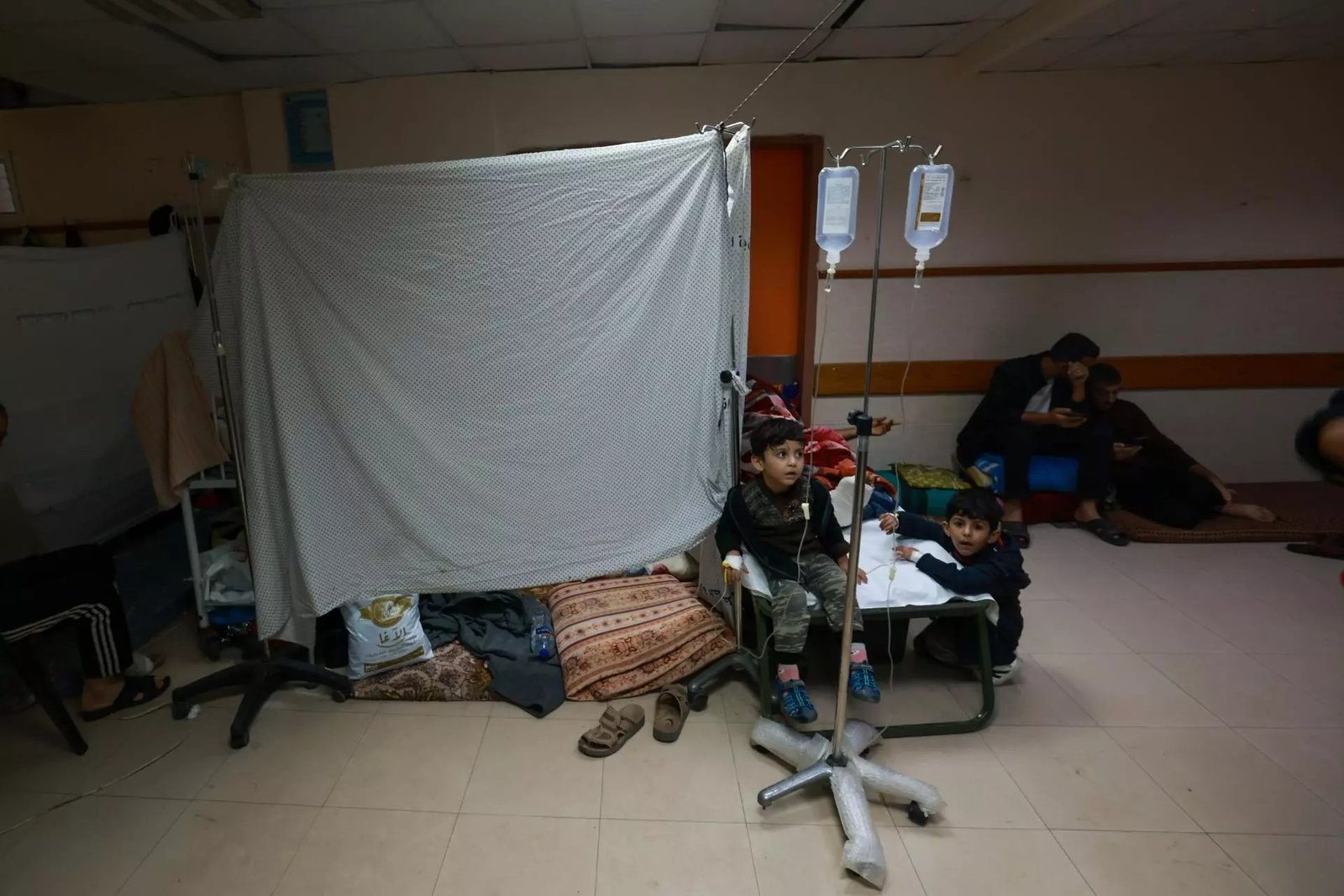
At Rantisi Children’s Hospital in Gaza City, one of the few remaining hospitals still providing paediatric care across the territory, the pressure has been visible for weeks. Paediatrician Sharif Matar told Al Jazeera that the current wave began about a month ago. At one stage, we were receiving more than 10 cases a day. Now we are talking about three to four cases daily. There has been a decline, but the wave has not ended, he said.
For the youngest patients, the danger is greatest — and the margin for delay is smallest.
The Human Cost Behind the Numbers
The ministry has reported 15 deaths from meningitis since the beginning of 2026, including five deaths recorded during August, September and October. The WHO’s separate count of four deaths covers its own reported caseload since mid-October. At Rantisi, Dr Matar said that, to his knowledge, the hospital had recorded no deaths directly attributed to meningitis during the current wave — but some children had developed serious complications, including hearing loss and hydrocephalus, a build-up of fluid in the brain that can require surgery.
For families, the illness has meant repeated, frightening hospital stays. Al Jazeera reported the case of five-year-old Omar Abu Fayed, admitted to the isolation ward at Rantisi Children’s Hospital for the third time in less than a month after developing symptoms of meningitis. Each time, his mother Zakia, 24, thought he was recovering — only for his fever and pain to return days after discharge. He doesn’t even spend a full week at home before we have to bring him back, she told Al Jazeera.
Another mother, Aya Salem, 29, spent nearly two weeks moving between hospital wards as the illness struck her six-month-old twins one after the other. Her son Yaman was diagnosed with meningitis and spent 10 days in hospital; as he was discharged, his twin sister Yumna’s condition worsened.
The stories underline a pattern health workers describe again and again: children are falling ill, recovering partially, and falling ill again in conditions that make full recovery hard.
Overcrowding, Unsafe Water and Broken Sanitation
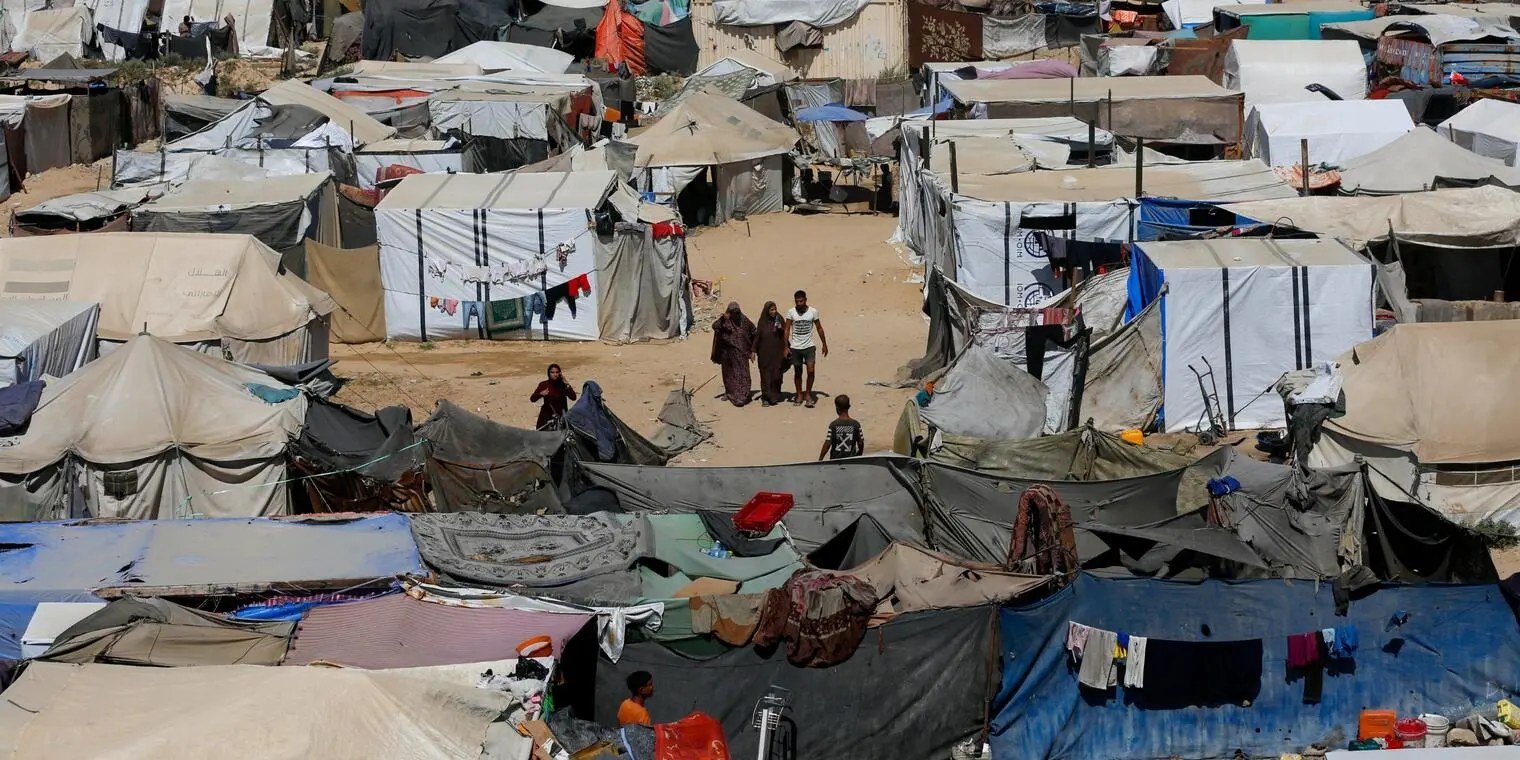
Health officials and UN agencies point to the same cluster of causes: overcrowding, damaged water and sewage networks, possible contamination of drinking water and poor hygiene. OCHA attributed the increase in suspected cases to overcrowding in tents and schools, deteriorating shelter and sanitation conditions, and exposure to unsafe water.
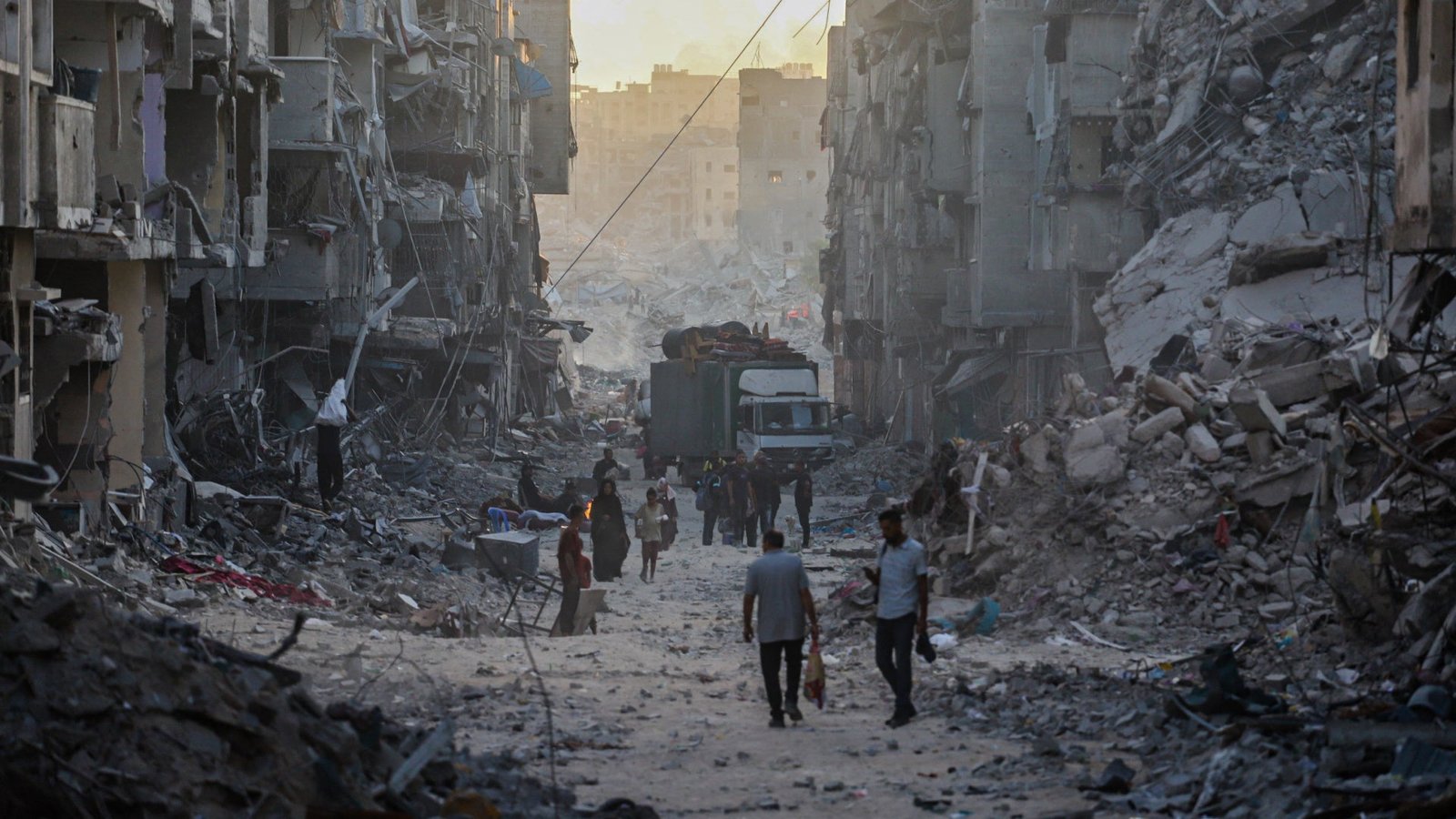
The ministry said laboratory testing had identified enterovirus as the cause of the viral meningitis cases, linking its spread to Gaza’s deteriorating environmental conditions. It attributed the outbreak to the widespread destruction of water and sanitation infrastructure, contamination of domestic water supplies with sewage, and severe overcrowding in displacement shelters — and held Israeli authorities responsible, citing attacks on essential infrastructure and continued restrictions on the entry of maintenance supplies, disinfectants and fuel needed to operate vital facilities.
The physical scale of the damage is documented by the UN. According to OCHA, all six wastewater treatment plants in Gaza remain out of service, while only half of the solid waste collection fleet is operational. Heavy rainfall between 6 and 8 November damaged more than 40,000 shelters and affected approximately 46,000 families, or around 226,000 people, according to preliminary estimates — raising fears of rainwater mixing with raw sewage. The WHO has warned that flooding, sewage contamination and deteriorating water and sanitation services could increase the risk of infectious diseases, including respiratory and waterborne illnesses.
A Health System Running on Empty
The surge has arrived at a moment when Gaza’s health system has almost nothing in reserve. According to OCHA, approximately 42 per cent of essential medicines were at zero stock levels during October, based on data from Gaza’s Ministry of Health and the UN health sector.
Testing is another bottleneck. The WHO has warned that limited laboratory capacity is making it difficult to distinguish viral from bacterial infections, delaying a targeted response — a critical distinction, because bacterial meningitis requires urgent antibiotic treatment while viral cases are usually managed differently. OCHA reported that between 27 September and 31 October, 294 suspected cases of viral meningitis and 119 suspected cases of bacterial meningitis were recorded, but laboratory tests had confirmed only ten cases of bacterial meningitis.
Dr Mohammed Abu Selmiya, director of Al-Shifa Medical Complex in Gaza City, warned that the prevailing environmental conditions could increase the risk of an epidemic outbreak. Meningitis cases occur seasonally in Gaza, doctors note, but this year’s increase has placed additional pressure on hospitals that are already among the few still functioning.
The strain is not limited to meningitis. UN figures cited in reporting on the outbreak show that more than 2,000 children under five were admitted for malnutrition treatment last month, a measure of how broadly children’s health has deteriorated.
Medicines, testing and beds are all short at once — and that combination is what turns a seasonal rise into an emergency.
What Health Officials Say Must Happen Next
The WHO has called for stronger surveillance, expanded laboratory testing, infection-control procedures, water-quality checks and treatment supplies, and has appealed for medical supplies to reach Gaza. The ministry’s epidemic alert is intended to mobilise that response across all governorates, with particular attention to children and infants.
For now, the immediate advice from health workers is practical rather than dramatic: families should seek care quickly if a child develops a high fever with a severe headache, neck stiffness, vomiting or unusual drowsiness, because bacterial meningitis in particular worsens fast. Hospitals, for their part, are isolating suspected cases where they can — as at Rantisi, where children with meningitis symptoms are treated in an isolation ward.
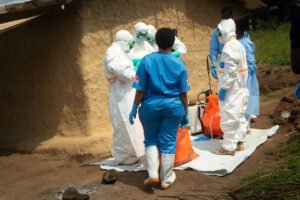
The wider lesson reaches beyond Gaza. Outbreaks of preventable disease follow the same pattern wherever health systems collapse under the weight of displacement and destroyed infrastructure: crowded shelters, unsafe water and missing medicines create the conditions, and children pay the price first. BNN has previously reported on an Ebola outbreak in DR Congo in which children under five accounted for a devastating share of deaths — a reminder that in fragile health systems, the youngest are always the most exposed.
Whether the Gaza wave has peaked remains uncertain. Daily admissions at Rantisi have fallen, but infections are continuing, and health officials warn that winter rains and further flooding could push cases up again. The alert, they say, is not a prediction of what will happen — it is a warning about what could.
Until water runs clean, shelters stop flooding and medicines return to the shelves, the conditions that produced this surge will remain in place.
By The BNN Media
The Best News Network
News Beyond the Borders