By
The United Nations trade body says seaborne trade will flatline in 2026 after growing just 1.9 percent last year, as disruption at four of the world’s most important shipping routes forces vessels onto longer, costlier voyages.
By The BNN Media
The Best News Network
News Beyond the Borders
Geneva, Switzerland — Global maritime trade is expected to record zero growth in 2026, the United Nations Conference on Trade and Development (UNCTAD) said on Thursday, 26 November, warning that disruption at four critical chokepoints at the same time is pushing up shipping costs and threatening living costs far from the sea.
Trade Stalls After a Weak Year
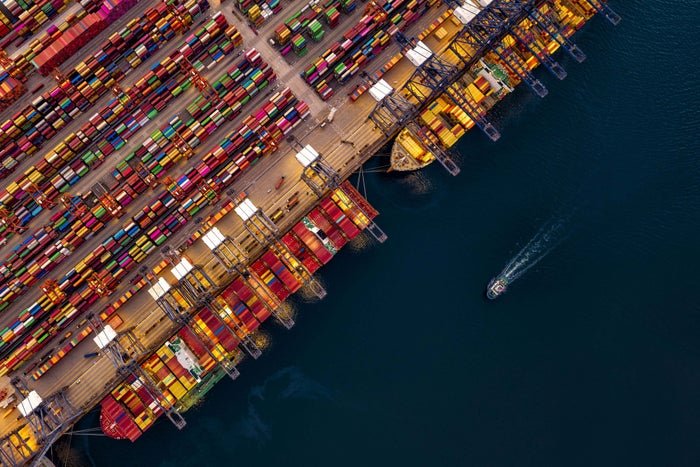
The forecast comes in UNCTAD’s flagship annual publication, the Review of Maritime Transport 2026, released on 26 November. Seaborne trade reached 12.3 billion tonnes in 2025, but growth slowed to 1.9 percent, half the pace of 2024, when trade grew by 3.9 percent.
For this year, UNCTAD projects no growth at all, followed by a recovery of 3.2 percent in 2027. Containerised trade is expected to do better than overall seaborne trade, growing by 3.3 percent in 2026, though that too is slower than in 2025.
“Global maritime trade is slowing at a time when the costs of disruption are rising,” said Pedro Manuel Moreno, UNCTAD’s acting secretary-general, at the launch of the report, according to Splash247.
The headline number is stark: the ships are still sailing, but the amount of cargo they carry is no longer growing.
Four Chokepoints Under Pressure at Once
UNCTAD points to an unusual and dangerous combination: four of the world’s most important maritime routes are under pressure at the same time. They are the Strait of Hormuz, the Red Sea, the Black Sea and the Panama Canal.
- Strait of Hormuz: conflict in the Middle East since late February 2026 has severely curtailed traffic through the strait, a gateway for around a fifth of global oil supplies and for other strategic goods, including fertilisers.
- Red Sea: instability has kept many vessels on the longer route around the Cape of Good Hope, despite some liner operators returning to the corridor.
- Black Sea: grain shipments remain exposed to security risks.
- Panama Canal: restrictions and changing traffic patterns have affected operations.
Together, these disruptions affect trade in oil and gas, grain and food products, fertilisers and industrial inputs such as petrochemicals and aluminium. Their impact extends beyond shipping, affecting production costs and the availability of essential imports, particularly in countries dependent on imported food and energy, the Shipping Telegraph reported.
No single route is the problem. It is the fact that all four are strained at once that makes this year different.
The Hormuz Shock: Traffic Falls by 95 Percent
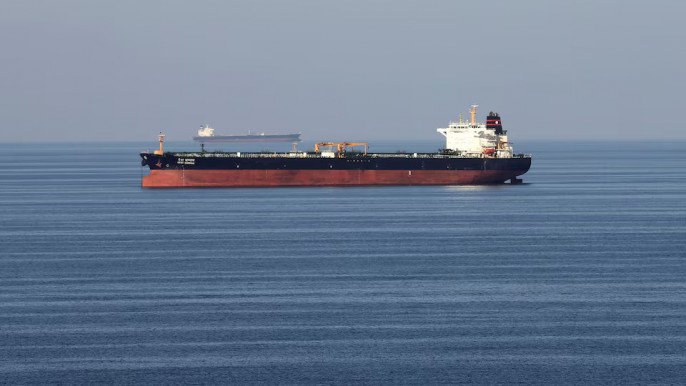
The most severe disruption has been in the Strait of Hormuz. Before the disruption, around 120 ships crossed the strait every day. By early March, traffic measured by gross tonnage had fallen by roughly 95 percent, according to UNCTAD.
More than 20,000 seafarers were initially stranded in the Persian Gulf, with thousands remaining there for months, the Shipping Telegraph reported.
The cost of insuring ships through the strait soared. UNCTAD reported that war risk premiums for a $100 million tanker jumped within days of the disruption from about $200,000 to $1 million per voyage. Container lines added emergency war risk charges and fuel surcharges to cover their higher operating costs.
“Small island economies and least developed countries are particularly exposed,” Mr Moreno said, as the imports they rely on often require multiple shipping connections. “Every additional mile means more fuel, more time, and more cost.”
A strait that carries a fifth of the world’s oil nearly closed — and the price of that closure was passed on to shippers within days.
Longer Voyages, Higher Freight Rates
Even though cargo volumes are flat, ships are travelling further. Demand for maritime transport measured in ton-miles — which counts both the cargo carried and the distance travelled — grew by 2.4 percent in 2025, faster than the 1.9 percent growth in cargo volumes. For 2026, ton-mile demand is projected to rise by 1.5 percent even as total seaborne trade remains unchanged.
The reason is simple: vessels avoiding the Red Sea and the Strait of Hormuz are sailing around southern Africa instead, adding days and thousands of miles to their journeys. Alternative ports, inland transport networks and logistics arrangements have helped keep trade moving, but at a higher cost, UNCTAD said.
Freight rates remained volatile through 2025 and 2026. Container spot rates more than doubled between January and August 2026, while crude oil tanker rates reached record highs on some routes.
Ports are feeling the strain as well. Vessels are waiting longer, shipping routes and port call patterns are changing, and ports face growing congestion. At the same time, they need to invest in digital systems, cybersecurity and climate-resilient infrastructure, according to the report.
Trade has not stopped. It has simply become longer, slower and more expensive — and the extra cost lands on everyone who buys what ships carry.
Why It Matters for the World Economy
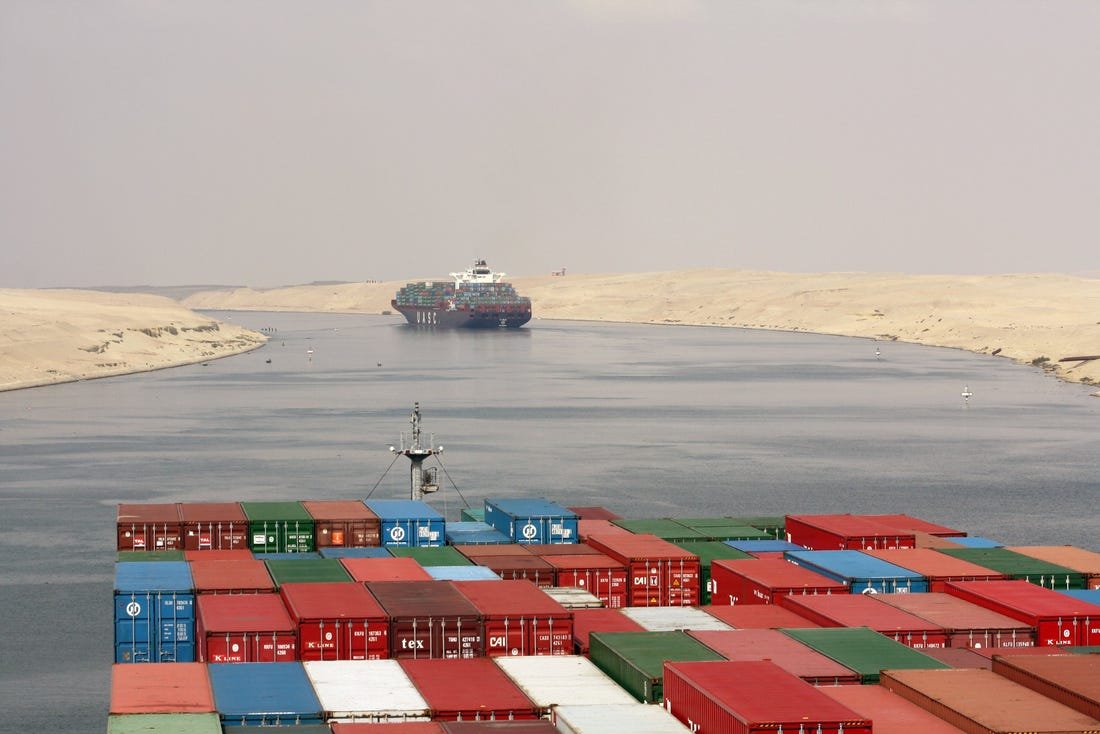
The UNCTAD report warns that disruption at sea quickly becomes a cost-of-living problem on land. Its modelling found that if the current fuel shock continues into 2027, higher shipping costs alone could push consumer prices in the least developed countries to almost twice the global average increase.
“Disruption in one critical maritime corridor can quickly become a cost-of-living crisis thousands of miles away,” Mr Moreno explained. “This is how disruptions to maritime transport translate into higher costs of living and widen inequalities between economies.”
The report estimates that a sustained 70 to 80 percent increase in maritime fuel costs would raise global consumer prices by around 0.19 percent, with least developed nations seeing prices rise by 0.35 percent.
The warning comes at a time when global trade is already under strain from tariffs and trade uncertainty, which UNCTAD cites alongside the route disruptions as reasons for the flat forecast.
When shipping costs rise, the poorest countries pay the most — because they depend most on goods that arrive by sea.
The Brighter Spots: South-South Trade and Better Connections
The report is not entirely gloomy. So-called South-South container routes — linking markets, manufacturing centres and ports across Asia, Africa, the Middle East and Latin America — grew by 12.1 percent last year, accounting for nearly one-third of growth in containerised trade.
Over the past two decades, least developed countries, most of them in Africa, have improved their shipping connectivity three times faster than the rest of the world, the report found.
Ports also showed resilience. Port revenue grew by around 9 percent in 2025, compared with 5 percent for cargo volume, and ports maintained stable operating profitability despite successive shocks. Environmental investment by ports rose sharply to 9 percent of capital expenditure in 2025, after remaining below 1 percent for most of 2016–2025. Women make up 18 percent of the port workforce, slightly below their 19 percent peak in 2024, according to the report’s Port Performance Scorecard, which covers more than 70 port entities.
“These gains matter, but they do not remove the underlying vulnerabilities,” Mr Moreno said, reiterating the fragility of the world’s main maritime chokepoints.
Trade is finding new routes and new partners — but new routes cannot replace the chokepoints the world still depends on.
What UNCTAD Says Must Change
The Review of Maritime Transport 2026 calls for a shift from crisis response to embedded preparedness, with “resilience by design and sustainability by default” guiding investment, planning and operations, UNCTAD said.
“Resilience by design and sustainability by default set the standard: maritime transport that keeps essential goods moving to every port, from the busiest hub to the most remote island,” Mr Moreno said.
To help vulnerable countries withstand ongoing and future disruption, UNCTAD urges shared stocks of food staples and fuel, along with pre-agreed alternative trade routes and customs procedures to keep essential goods moving.
For 2027, UNCTAD expects trade to recover by 3.2 percent — but that outlook is vulnerable to political and trade developments, and to whether the four chokepoints calm down or worsen. Until then, the world’s ships will keep sailing further to carry the same amount of cargo, and the world’s consumers will keep paying for the extra miles.
Zero growth in 2026 is not a collapse of world trade. It is a warning: the sea lanes the world economy depends on are under more strain than at any time in recent years, and the cost of that strain is already reaching household budgets.
By The BNN Media
The Best News Network
News Beyond the Borders