 By
After more than three decades in New Orleans, the Essence Festival of Culture will not return to the city in 2027. The announcement ends one of the longest partnerships in American live events — and leaves both the festival and the city racing to work out what comes next.
By The BNN Media
The Best News Network
News Beyond the Borders
New Orleans, Louisiana, United States — The Essence Festival of Culture is leaving New Orleans. Festival organisers and Essence Communications, which founded the annual event, announced on Tuesday, 24 November, that the celebration of Black music and culture will relocate next year, bringing to an end a run in the city that began in 1995.
The Announcement That Ended an Era
The farewell came in a statement posted across the festival’s social media platforms, and it was written in the language of gratitude rather than blame. It gave no reason for the decision and named no new home for the festival, the Associated Press reported.
“You didn’t simply host us. You embraced us,” the statement said. “And in doing so, you helped shape one of the most beautiful celebrations of Black culture in the world.”
The message was signed off with a line that has since been quoted across the city: “We Love You New Orleans and We Love Us. Always. All ways.”
Behind the warm words, however, lies a breakdown. The festival’s contract with the city expired this fall, after months of failed negotiations over a new multiyear agreement, and the two sides have spent the autumn publicly disagreeing about why the talks collapsed.
A farewell letter full of love, then, and a negotiation full of blame — both things can be true at once.
A Contract That Ran Out
The dispute, as reported by the city’s own newspaper, The Times-Picayune, centres on contracts and vendor payments. The city’s contract with Essence expired in September, and negotiations for a new deal stalled through the autumn.
New Orleans Mayor Helena Moreno said on Tuesday that it was time for the festival and the city to “go our separate ways”, after months of failed contract talks and disputes over vendor payments. Moreno said she had assembled a steering committee this year to review the festival’s contract, and that the committee is now working with the city’s tourism arm on a similar cultural event.
Sundial Media Group, which owns Essence magazine and the festival, said in a statement on 24 November that it did not make the decision “lightly”. The company said it had sought a multiyear agreement but alleged the city never intended to offer one. Sundial also said it sought multiple meetings with city officials — and denied reports that vendor payments were a sticking point in the negotiations, USA Today reported.
Sundial chief executive Kirk McDonald had confirmed last month that the company was in talks about moving the three-day celebration to other cities if it could not get a multiyear deal with New Orleans, according to NOLA.com.
Both sides agree the deal is dead. They do not agree on who killed it — and that disagreement is now part of the story.
A Festival Built Over Three Decades
The Essence Festival was launched in 1995 as the Essence Music Festival, when Essence magazine staged a concert event in New Orleans to mark the publication’s 25th anniversary. It has been held in the city in all but two years since — moving to Houston in 2006 after Hurricane Katrina, and online in 2020 during the Covid-19 pandemic.
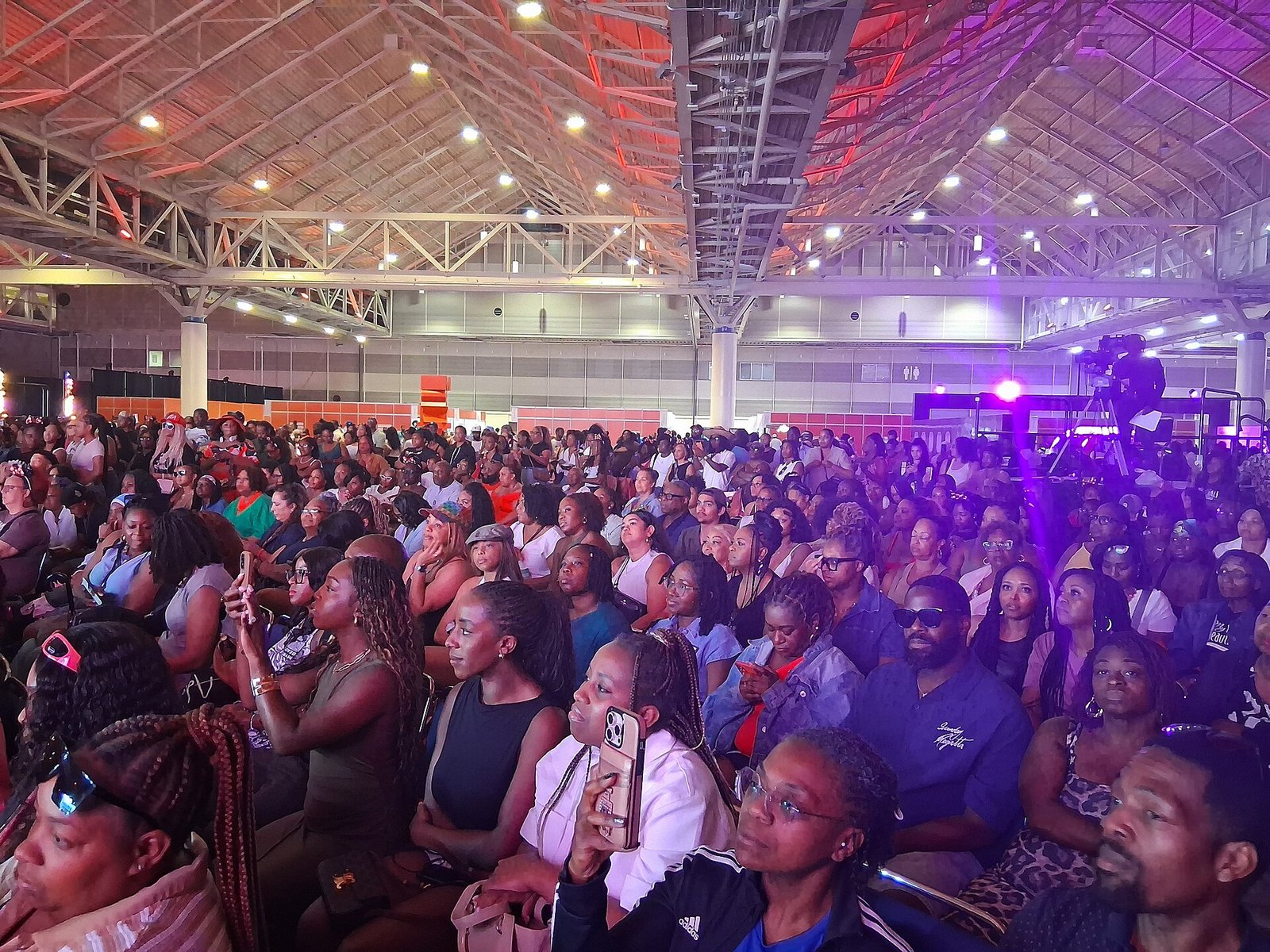
What began as a concert grew into something much larger: a multiday festival held around the Fourth of July weekend, combining headline music performances with daytime talks, panels on politics and voter mobilisation, and events for Black-owned businesses. Usher, Megan Thee Stallion and Janet Jackson are among the many performers who have headlined in recent years.
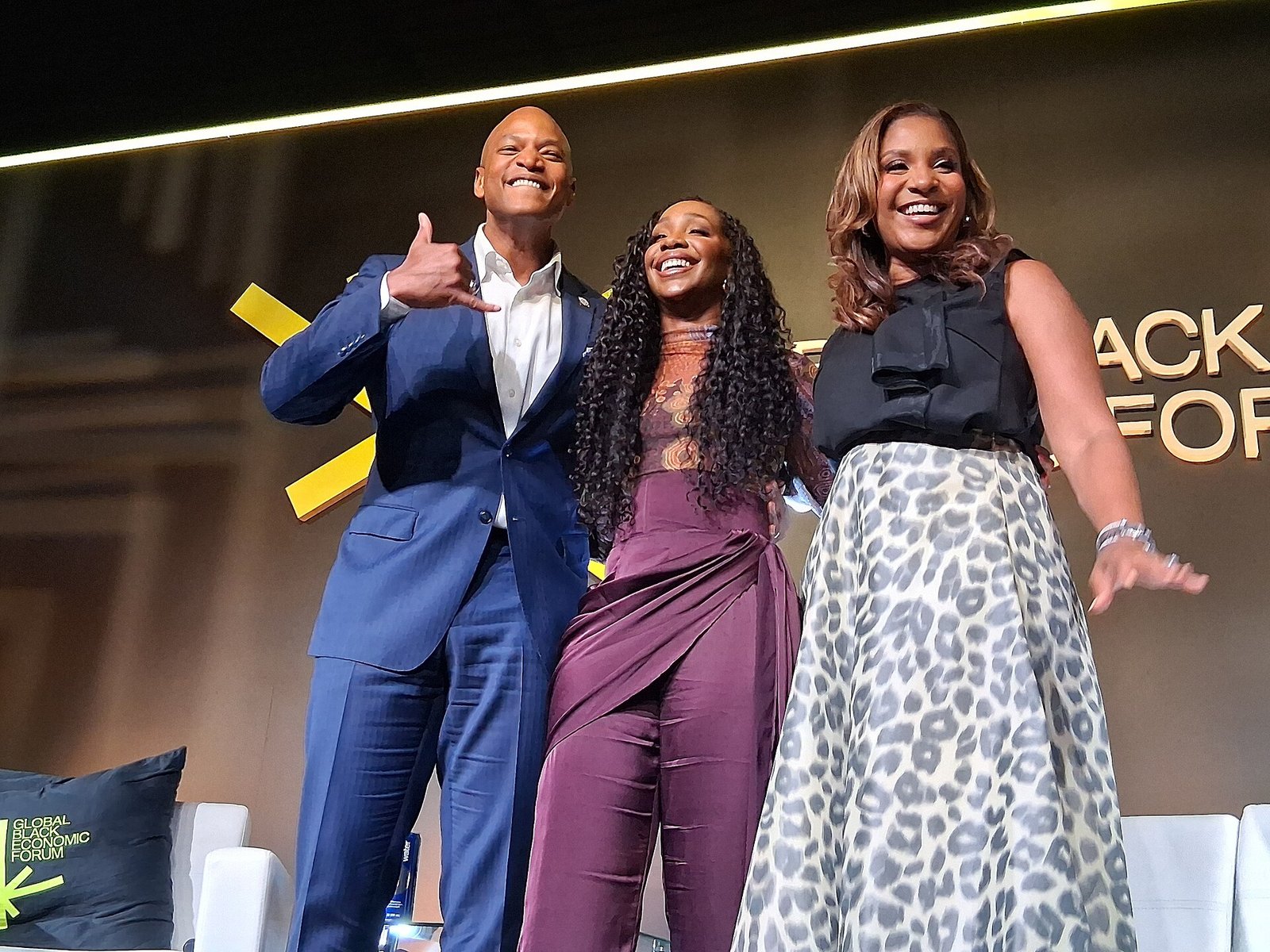
The festival also became a fixture of American political life. Politicians of both parties, in the middle of big campaigns, have made Essence Fest a stop — then-Vice President Kamala Harris spoke there in 2024 during the presidential campaign. The Rev. Al Sharpton, founder and president of the National Action Network, has participated in every festival since it began in 1995.
Sharpton said he was saddened that such a cultural institution was leaving New Orleans, but pledged continued support. “My commitment to ESSENCE is not contingent on its geography,” he said in a statement. “Wherever the Festival lands, I will be there.”
What the Festival Was Worth to New Orleans
Few events matter to a host city the way Essence mattered to New Orleans. According to a report Essence released earlier this month, the festival generated $1.3 billion in economic impact from 2022 through 2025, supported 11,000 jobs and led to $179.3 million in tax revenue. Other estimates cited by festival organisers and tourism officials have put the annual economic impact at around $300 million.
But the figures have been contested on the ground. Local businesses and residents have questioned how much of that money actually reaches the community. During the festival, a “Clean Zone” ordinance prohibits smaller events in certain areas unless they are authorised — a rule that has produced legal disputes, including one in 2023 when a Black-owned bookstore and coffee shop sought to host an event promoting Black authors during the festival. That dispute was later resolved, and a similar case involving Spotify in 2022 was dropped the following year, the Associated Press reported.
- Launched: 1995, as the Essence Music Festival, for the magazine’s 25th anniversary
- Home: New Orleans, every Fourth of July weekend, except Houston in 2006 and online in 2020
- Economic impact (Essence’s own report): $1.3 billion from 2022 to 2025
- Jobs supported: 11,000, according to the same report
- Tax revenue: $179.3 million, according to the same report
The festival brought the city more than a billion dollars in four years — and still left local businesses asking who that money was really for.
Where Does Essence Go Next?
No new host city has been announced. Sundial’s chief executive had named Atlanta, Philadelphia, Houston, Detroit, Baltimore, New York and Nashville as cities the festival was talking to, and reports this week said Houston officials have confirmed the city is in active negotiations to become its new home. None of that has been confirmed by Sundial, and the festival’s statement said only that it would begin “a new chapter beyond New Orleans in 2027”.
Whoever wins the festival will be gaining one of the largest Black cultural gatherings in the United States — and inheriting the questions that followed it out of New Orleans, including the vendor-payment dispute that neither side has fully explained.
The bidding has begun, but the festival has not yet said who it is bidding for.
New Orleans Plans Its Own Replacement
New Orleans, for its part, is not waiting. On the same day as the Essence announcement, Mayor Moreno said the city will announce on 9 December details of a new “world-class” festival dedicated to Black American culture, to be held on the Fourth of July weekend.
“Ultimately, we are working to team up with some of this country’s top Black producers to essentially bring in a festival that 1) realizes how important it is to be in the city of New Orleans and that the city of New Orleans itself is a draw,” Moreno said in a social media video. “We need to make sure that there’s widespread benefit for our local businesses, particularly our local Black businesses.”
The message was clear: the city believes the Fourth of July weekend itself, and New Orleans as a place, are the real draw — not any single brand.
What Happens Now
For the tens of thousands of people who turned the festival into an annual homecoming — generations of Black women, in particular, for whom the trip to New Orleans became a tradition — the news lands as the end of an era. Essence’s own farewell letter leaned into exactly that history, recalling music, food, family traditions and 33 years of homecoming.
What is not yet clear is whether the festival can carry that history with it. Its identity was built in New Orleans: the walkable streets, the food, the music in the air between the Superdome and the Convention Center. Other cities can offer bigger venues and bigger cheques. Whether they can offer the same homecoming is the question Essence will have to answer in 2027 — and the question New Orleans, with its own rival festival in the works, will be answering at the very same time.
After more than 30 years, the festival and the city that made it are both starting over — apart, and in direct competition, on the same weekend.
By The BNN Media
The Best News Network
News Beyond the Borders
Sources for this article: The Associated Press via WDIV (26 Nov 2026); The Times-Picayune / NOLA.com; USA Today (24 Nov 2026); Black Enterprise; Pollstar (25 Nov 2026).