By
Google has halted construction of an artificial intelligence data centre in Belgium after regional authorities ruled that the project lacked the planning permission it needed, in the latest clash between the technology industry’s rush to build AI capacity and Europe’s planning and environmental rules.
By The BNN Media
The Best News Network
News Beyond the Borders
Farciennes, Belgium — Google said on Saturday that it had paused construction of its AI data centre at Farciennes, near Charleroi in southern Belgium, after inspectors from the Wallonia regional authorities ordered work to stop because the company did not have valid planning approval for the building taking shape there. “We have halted work consistent with the direction from local authorities and pending additional guidance,” a Google spokesperson told the AFP news agency.
The order that stopped the site
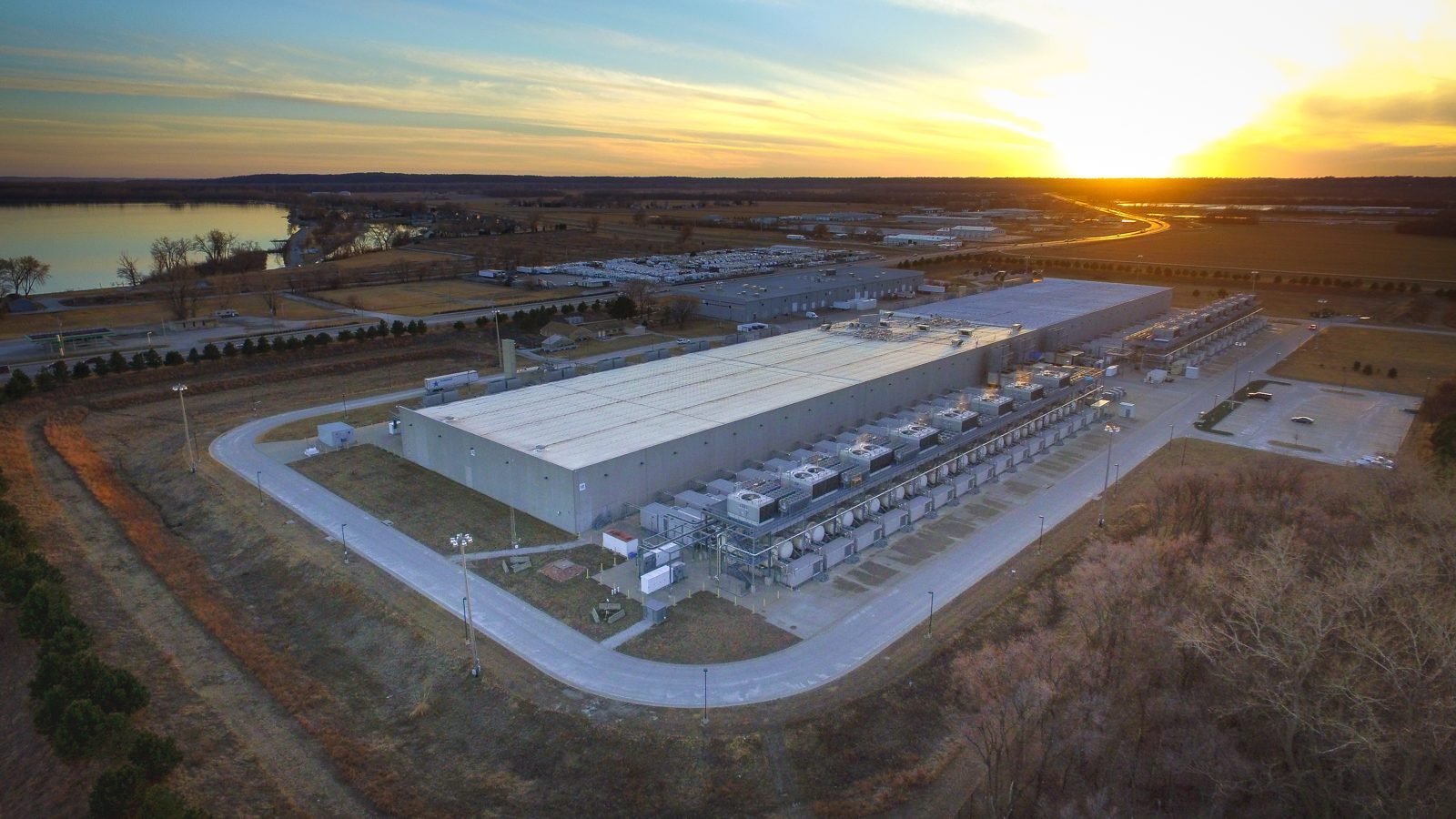
The halt followed a visit by Walloon regional inspectors to the Écopôle business park site on Thursday, 26 November. According to reporting by AFP and Belgian public broadcaster RTBF, the inspectors found a building of about 30,000 square metres — three hectares, or roughly 7.4 acres — almost finished, with its outer shell already closed, even though the amended permit it depended on was no longer valid. Around 300 construction workers were on site when the verbal order to stop work was given, and officials said it would be confirmed to Google in writing.
On Friday, Nicolas Yernaux, a spokesman for the Wallonia regional authorities, told AFP that the work constituted “a major offence — the illegal construction of a building covering three hectares”. A formal report was being sent to public prosecutors, he said.
The speed of the enforcement — inspectors on site on Thursday, a prosecutors’ report by Friday, and Google’s public confirmation on Saturday — shows how quickly a permit dispute can turn into a criminal referral in Belgium.
A former mining site with big ambitions
The project sits on a roughly 50-hectare former mining site at Farciennes and Aiseau-Presles, in Hainaut province near Charleroi. Google bought the land in 2021 and began building in April 2024, announcing an investment of one billion euros in the campus. The company later raised its planned Belgian cloud and AI investment to five billion euros over two years, according to Belgian media reports.
The campus was planned as Google’s second major data centre site in Belgium, alongside its existing campus at Saint-Ghislain. According to Data Center Dynamics, the Farciennes campus was originally planned as three buildings spanning some 53,000 square metres, with energy firm Elia confirming that 200 to 300 megawatts of capacity would be available at the site.
Google builds in Belgium through its European subsidiary, Crystal Computing. The company told AFP it had operated in Belgium for more than 15 years and remained committed to complying with local laws.
How a cooling change became a legal fight
The dispute turns on water. Google’s original 2024 permit covered three smaller, air-cooled data centres. The company later applied to change the design, seeking to merge buildings into one much larger structure and to replace air cooling with a system drawing water from the nearby River Sambre.
Regional officials later revoked the amended permission over the summer, after appeals from residents and campaign groups, amid concerns about drought. Severe droughts since the spring had sharpened local fears about tapping the river, AFP reported. Google challenged the revocation in court, and a hearing before Belgium’s Council of State is scheduled for 7 January 2027.
The environmental group Greenpeace Belgium filed an emergency complaint on 23 November, backed by satellite images and drone footage that it said showed construction continuing despite the revoked permit. Three days later, the inspectors arrived.
At the heart of the case is a simple question: whether a building constructed under a revoked amendment can stand, or whether the company must return to the design it was first allowed to build.
What happens next
Reporting by Belgian media indicates that the original 2024 permit remains valid, meaning Google may still be able to build under that plan — three smaller, air-cooled buildings — but not under the amended one. That distinction is now likely to be tested in court in January, alongside the prosecutors’ report.
Google has not said how long the pause will last, or what it will mean for the project’s timetable and the jobs attached to it. Local officials had welcomed the campus when construction began as an economic boost for the former coal-mining basin around Charleroi.
A wider warning for the AI building boom
The Farciennes halt is the latest confrontation in Europe as technology companies race to build the data centres needed to power artificial intelligence. The demand for computing capacity is enormous: hyperscalers are spending hundreds of billions of dollars on AI infrastructure worldwide, and the Bank of England warned only this week about the borrowing behind that boom.
But the physical side of the boom is running into limits that money alone cannot remove — planning permission, grid connections, and, increasingly, water. Data centres need vast amounts of power and cooling, and in a region that has suffered severe drought, a river is not an unlimited resource.
- Planning permission is becoming a bottleneck for AI data centres across Europe, not just in Belgium.
- Water use is now a central issue in data centre approvals, alongside power supply.
- Legal challenges from residents and environmental groups can delay projects even after construction has begun.
For Google, the lesson of Farciennes is that in Europe, the AI race is not only about chips and capital — it is also about permits, rivers, and the patience of the communities next door.
What to watch
- 7 January 2027: the Council of State hearing on Google’s appeal against the permit revocation.
- The Charleroi prosecutor’s response to the Walloon authorities’ report.
- Whether Google resumes work under its original 2024 permit, or waits for the court.
- Any wider effect on Google’s five-billion-euro Belgian investment plan and its other planned sites in Wallonia.
By The BNN Media
The Best News Network
News Beyond the Borders