By
The World Health Organization has called for clinical trials of Ebola vaccines and treatments to be speeded up as the outbreak in the Democratic Republic of the Congo passes 12,000 cases, with fighting in the east now disrupting the response itself.
By The BNN Media
The Best News Network
News Beyond the Borders
Geneva, Switzerland — The Ebola epidemic in the Democratic Republic of the Congo (DRC) has passed 12,000 cases and 5,900 deaths, the World Health Organization (WHO) said on 27 November 2026, as it issued updated recommendations calling for faster trials of vaccines and treatments and better protection for health workers. The figures, counted as of 24 November, make it the largest Ebola outbreak ever recorded in the DRC.
A Milestone Nobody Wanted
The outbreak, caused by the rare Bundibugyo virus, was declared on 15 May 2026, and WHO declared it a Public Health Emergency of International Concern two days later. Six months on, it is still growing.
WHO counted 11,613 confirmed cases and 5,678 deaths as of 17 November, a crude case fatality ratio of 48.9 per cent — meaning nearly half of those confirmed infected had died. By 24 November, the total had passed 12,000 cases and 5,900 deaths.
And the toll has kept rising since. Government data reported on Thursday 26 November showed 12,021 confirmed cases and 5,904 deaths, and figures released on Saturday 29 November put the toll higher still: 12,254 confirmed cases and 6,025 deaths across eight provinces, according to Reuters.
The Associated Press, citing the DRC Ministry of Health, described it as the fastest-growing Ebola outbreak in history, and the second-largest outbreak on record — dwarfed only by the 2014–2016 West African epidemic, which infected more than 28,600 people and killed more than 11,000 across Guinea, Liberia and Sierra Leone.
Six months in, the outbreak is not under control — it is still outpacing the effort to contain it.
What WHO Is Asking For
WHO Director-General Dr Tedros Adhanom Ghebreyesus issued the updated recommendations on 25 November, after accepting the advice of the Emergency Committee, which met for the third time on 17 November under its chair, Professor Lucille Blumberg. He also determined that the epidemic continues to constitute a Public Health Emergency of International Concern.
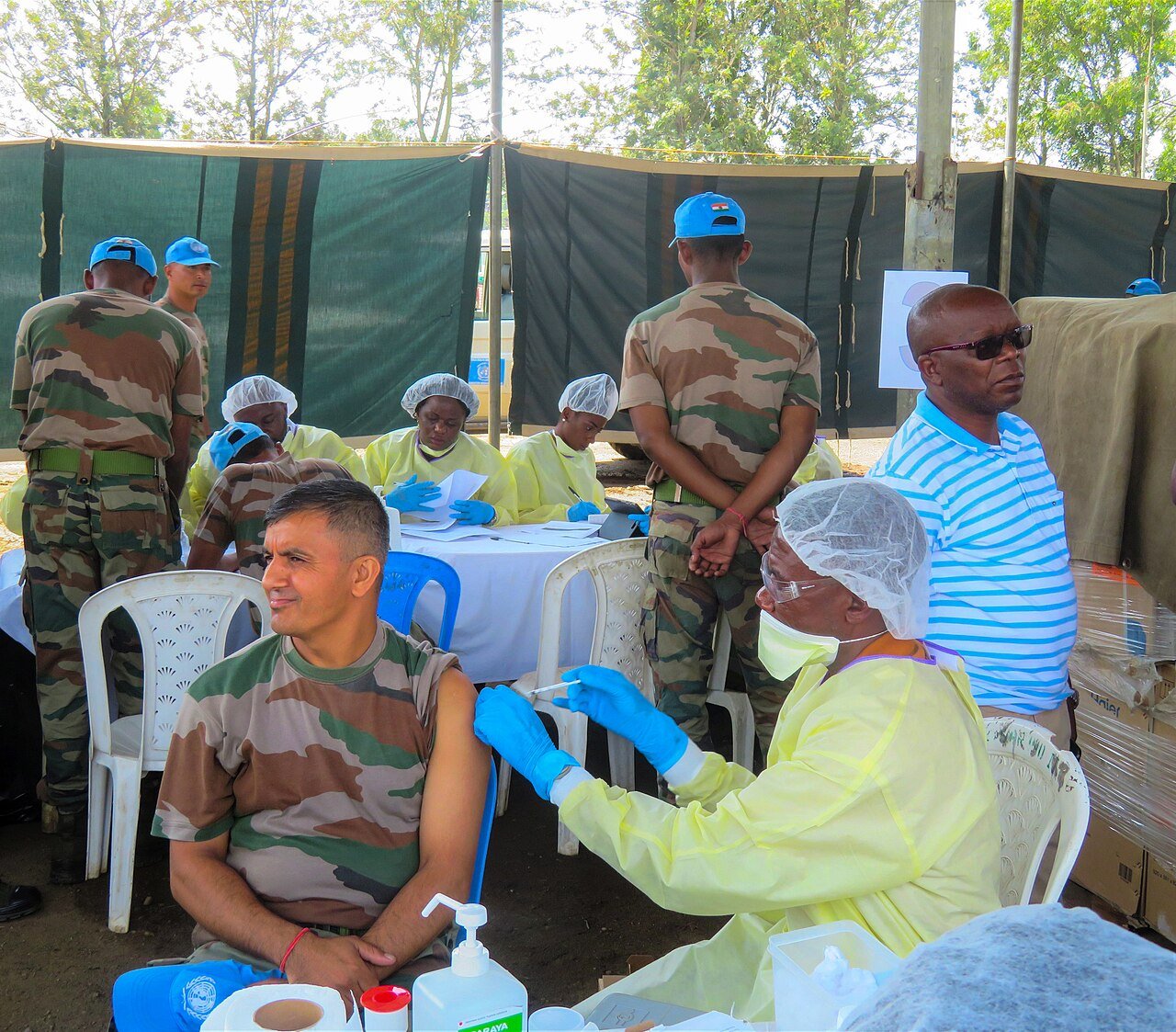
The Committee called for faster clinical trials of candidate vaccines and treatments, while maintaining high scientific, ethical and safety standards — and said engaging communities was key, so that people receive clear and transparent information about how the trials are planned and carried out.
WHO’s recommendations also call for:
- Intensified action in areas of the DRC where new cases are occurring or community transmission is increasing
- Faster case-finding, so patients are identified earlier and reach supportive care sooner
- Stronger infection prevention in health facilities, including infections linked to unsafe injection practices
- Shorter delays between the onset of symptoms, diagnosis and access to supportive care
- Targeted measures by other countries to identify and assess travellers who may have been exposed, without unnecessarily interfering with flights and international traffic
“Six months into this emergency, the Committee remains deeply concerned by continued transmission and the high number of Ebola-related deaths, particularly in a context where insecurity and obstacles to reaching affected communities make every aspect of the response more difficult,” said Professor Blumberg.
The message from WHO is blunt: find cases earlier, treat them sooner, and test vaccines and treatments faster — without cutting corners on safety.
The Trial Race
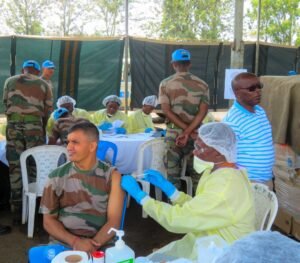
There is still no approved vaccine or specific treatment for Bundibugyo virus disease, WHO said in its update of 20 November. That is what makes the call for faster trials so urgent: every tool now in use against this strain is experimental.
Two candidate vaccines were already heading for trials in the outbreak’s epicentre, WHO said earlier in November, and a treatment trial is under way — but neither has yet produced an approved product.
The search for a vaccine is not confined to the DRC. As BNN reported today, Uganda has launched Africa’s first mRNA Ebola vaccine trial, with children as young as one taking part. Uganda, which shares a border with the DRC and has seen cases of its own, is testing a new kind of vaccine built on the same mRNA technology used in Covid-19 vaccines.
If the trials succeed, they could finally give health workers a weapon designed for this exact virus — but trials take time, and the outbreak is not waiting.
A Response Under Fire
Insecurity is now one of the biggest obstacles to containing the outbreak. WHO has verified at least 94 attacks on health care in the DRC since the emergency was declared six months ago.
Fighting between the army and rebels of the Convention pour la révolution populaire (CRP) has repeatedly forced response teams to pull back. About a dozen people, including two WHO personnel and Congolese health officials, were evacuated to Bunia on Tuesday after spending three full days trapped in a hospital in Akwe, north-east of the provincial capital, amid intense crossfire, according to WHO’s Ebola incident manager, Dr Catherine Smallwood.
Fighting resumed on Thursday morning in Iga-Barrière, a mining town about 25 kilometres north of Bunia, sending new waves of displaced people towards the city. Bunia is the capital of Ituri province and a major hub for the Ebola response.
Earlier in the week, fighting had already prevented teams from reaching some communities, disrupted the monitoring of people exposed to the virus, and left some treatment centres short of staff.
Where the Outbreak Stands
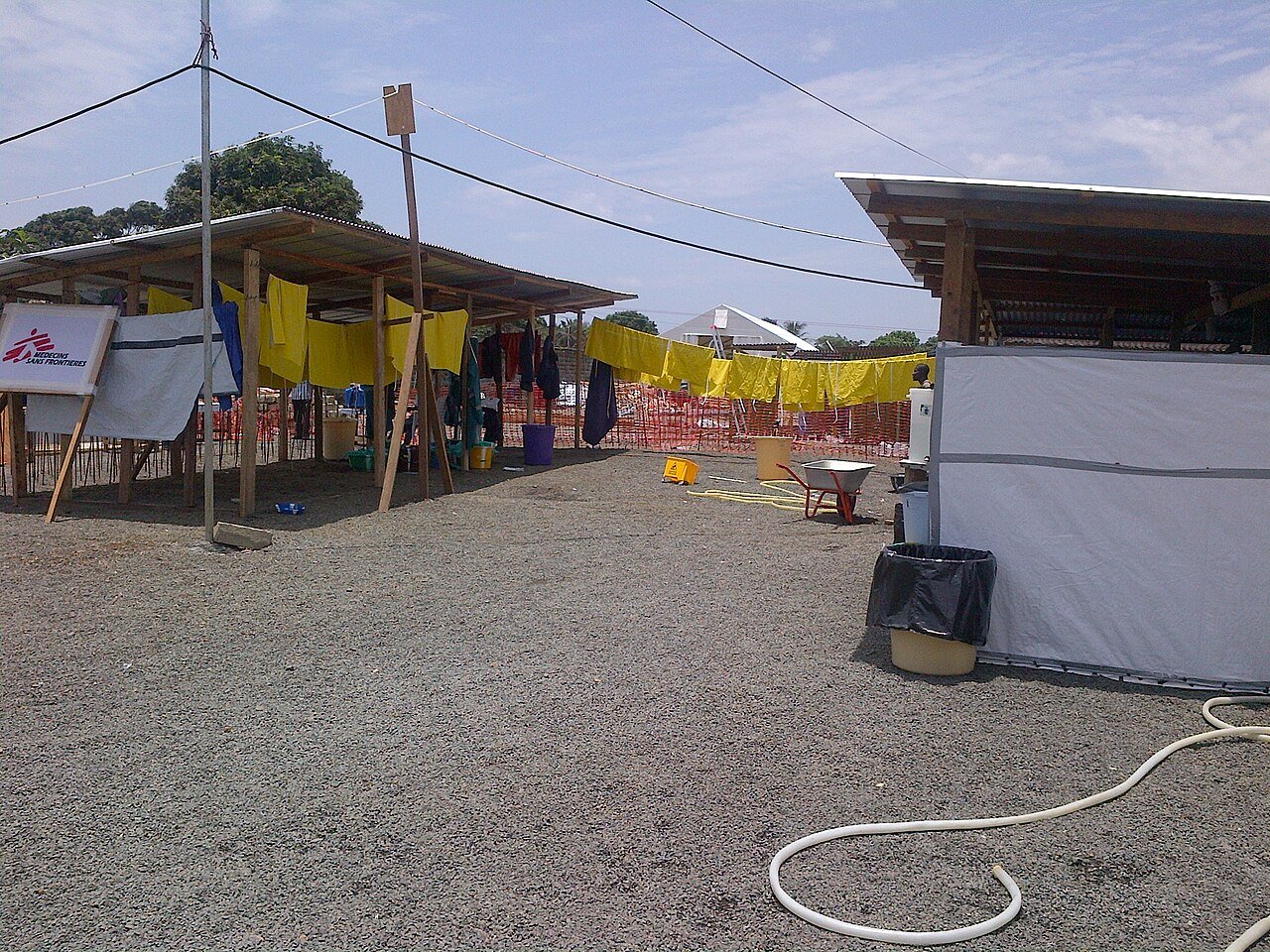
Cases have been reported from 68 health zones in eight of the DRC’s 26 provinces. Ituri remains the hardest-hit province, with 7,946 cumulative confirmed cases as of 17 November, followed by North Kivu with 2,996.
WHO’s risk assessment as of 17 November rated the risk as very high inside the DRC, high in Kenya and Nigeria and in countries closely connected to affected areas, and low for countries with strong response capacity — while noting that international spread remains possible.
Because insecurity limits surveillance in remote areas, the real case and death figures may be higher than those officially recorded. A Reuters analysis of satellite imagery found the official death toll may be largely underestimated in two of the hardest-hit areas.
The recorded figures are already the worst in the DRC’s history — and they may not even be the full picture.
Children at the Sharp End
The outbreak has fallen hardest on the young. As BNN reported on 18 November, the epidemic has gripped Bunia and Beni, with young children among the worst affected. The inclusion of children as young as one in Uganda’s new mRNA vaccine trial is a recognition of that reality: protecting children is now central to the fight.
Health workers say community trust is as important as medicine. Families must be willing to report symptoms early, to accept isolation and care, and to allow safe burials — all of which become harder when fighting drives people from their homes and rumours fill the gap left by absent health teams.
What Happens Next
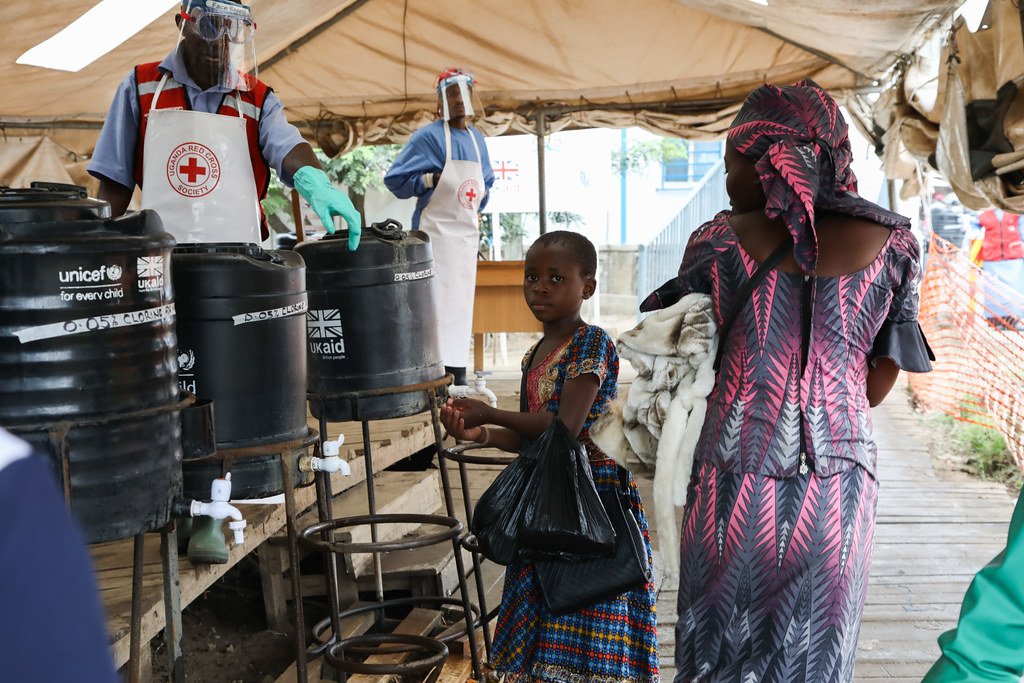
WHO’s updated guidance aims to stop transmission at its source and protect affected communities and health workers, without unnecessarily disrupting travel and trade. The coming weeks will test whether faster trials, better case-finding and safer access for responders can bend the curve of an outbreak that has, so far, only grown.
“Stopping Ebola will require coordinated and accelerated action to find cases earlier, prevent infections in health-care settings and in the community, provide early supportive care, maintain trust with communities, and ensure responders can safely reach people in need,” said Professor Blumberg.
The numbers have passed 12,000. The question now is whether the response can finally move faster than the virus.
By The BNN Media
The Best News Network
News Beyond the Borders