By
Flu is arriving early and rising fast in England, and the head of the NHS has warned hospitals to brace for a “horrible spike” in cases in the coming days.
By The BNN Media
The Best News Network
News Beyond the Borders
London, England — Hospital admissions for flu in England have reached 9.0 per 100,000 people, up from 5.0 per 100,000 the previous week, according to the UK Health Security Agency (UKHSA) — the highest rate for this time of year since before the Covid pandemic, and the highest at this point in November in any year this decade.
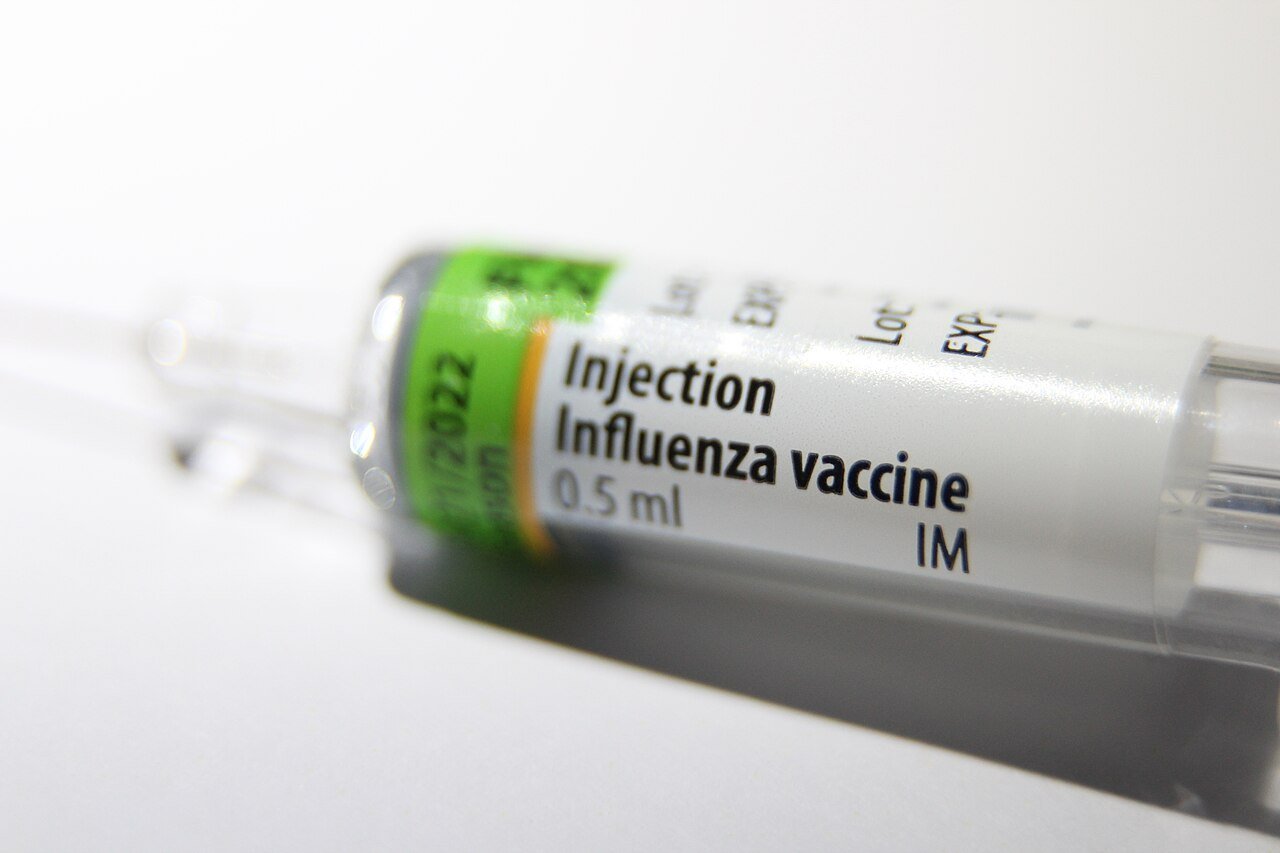
Admissions jump by almost 80 per cent in a week
The latest UKHSA figures show the rate of hospital admissions for flu rose by almost 80 per cent in a single week. Admissions stood at 4.9 per 100,000 people in the equivalent week in 2025, meaning this year’s surge is running well ahead of last winter at the same stage.
The agency also confirmed that attendances at hospital emergency departments for flu-like illnesses were “above seasonally expected levels”. The rise comes as the NHS heads into winter already under severe strain, with several hospital trusts declaring critical incidents this week because they cannot cope with the demand for care.
The takeaway: flu is not just circulating earlier than usual — it is already putting more people in hospital beds than at any comparable point since before the pandemic.
“We are just about going to that horrible spike in flu”
The warning came from Sir Jim Mackey, the outgoing chief executive of NHS England, speaking at the NHS Alliance autumn conference in London. Sir Jim, who announced this week that he will leave his post in April, said more hospital beds are now occupied by flu patients than at the same time last year.
“I think we have more beds occupied with flu than we did this time last year, as we’re just about going to that horrible spike in flu,” he said.
He added that his instinct was that cases would “build probably over the next five to 10 days” and that the health service would feel like it was in “proper winter” within about a fortnight. He described the period ahead as a “hard time” for the NHS and said hospital bosses should consider asking staff and visitors to wear masks as winter pressures build.
Masks return to some hospitals
Sir Jim revealed that some hospitals have already reintroduced mask wearing to stem the spread of respiratory illnesses, and said he had been asked to wear a mask himself during a hospital visit for the first time in years.
“About three weeks ago I did a visit, and I had to mask up for the first time in a couple of years, which was a bit of a shock actually,” he told the conference.
The return of masks in parts of the health service underlines how seriously NHS leaders are taking the early surge. Flu is not the only pressure: Covid cases are also rising, and hospital bosses have warned they face their busiest winter ever after last winter was the busiest on record.
The takeaway: when the head of the NHS is masking up on ward visits again, the message to the public is unmistakable — this winter’s flu wave is being treated as a serious threat, not a routine seasonal rise.
Hospitals already declaring critical incidents
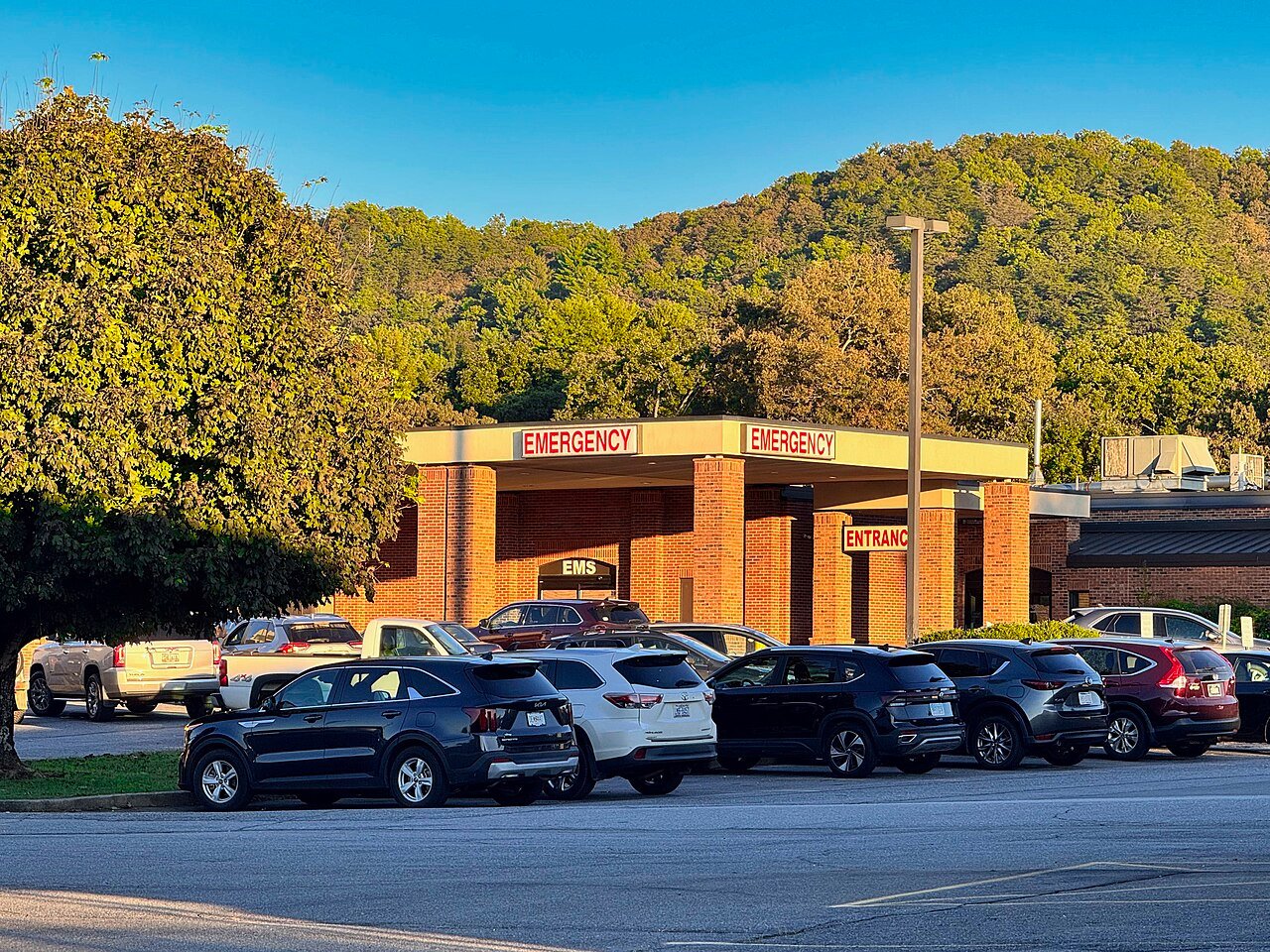
The pressure is already visible on the front line. NHS trusts in Nottingham, Derby and Burton, Kettering and Northampton, and Nottinghamshire were forced to declare critical incidents this week — the formal admission that a hospital cannot cope with the demand for care it is facing.
At Nottingham University Hospitals, flu cases among inpatients rose sharply in a single week, according to reports, while around 200 patients were in the emergency department at Queen’s Medical Centre at one point.
The strain is also showing in corridor care. NHS England figures show there were 110,299 instances of patients being cared for in hospital corridors last month. Sir Jim said corridor care had become “embedded” in parts of the NHS, adding: “We are now in a world where we have to accept that the NHS has normalised something, accepted something, that should never have happened.”
The H1N1 strain is driving the spread
Health officials say the H1N1 strain of flu is fuelling the current spread. Dr Suzanna McDonald, who leads the UKHSA’s flu programme, told BBC Radio 4’s Today programme that the sharp rise was happening earlier than last winter and earlier than in previous flu seasons.
Intensive care admissions for flu have also climbed, rising from 0.16 to 0.28 per 100,000 people — an increase of about 75 per cent in a week, according to UKHSA data reported by The Sun. The proportion of hospital tests coming back positive for flu has doubled in a fortnight, from 8 per cent to 17 per cent.
Sir Ciaran Devane, chief executive of the NHS Alliance, which represents health service employers, said: “While the flu season is clearly hitting earlier this year and could add to the strain on NHS services heading into another difficult winter, we are yet to see how or when it will peak.”
The takeaway: nobody yet knows when this wave will peak — and that uncertainty is itself part of the problem for hospitals trying to plan beds, staff and winter services.
Only a third of at-risk patients have had their jab
The surge is hitting a population in which vaccination coverage among the most vulnerable remains low. According to the UKHSA, almost 9.5 million people under the age of 65 in clinical risk groups are eligible for the flu jab, including people with lung conditions, those with kidney or liver disease, and diabetics.
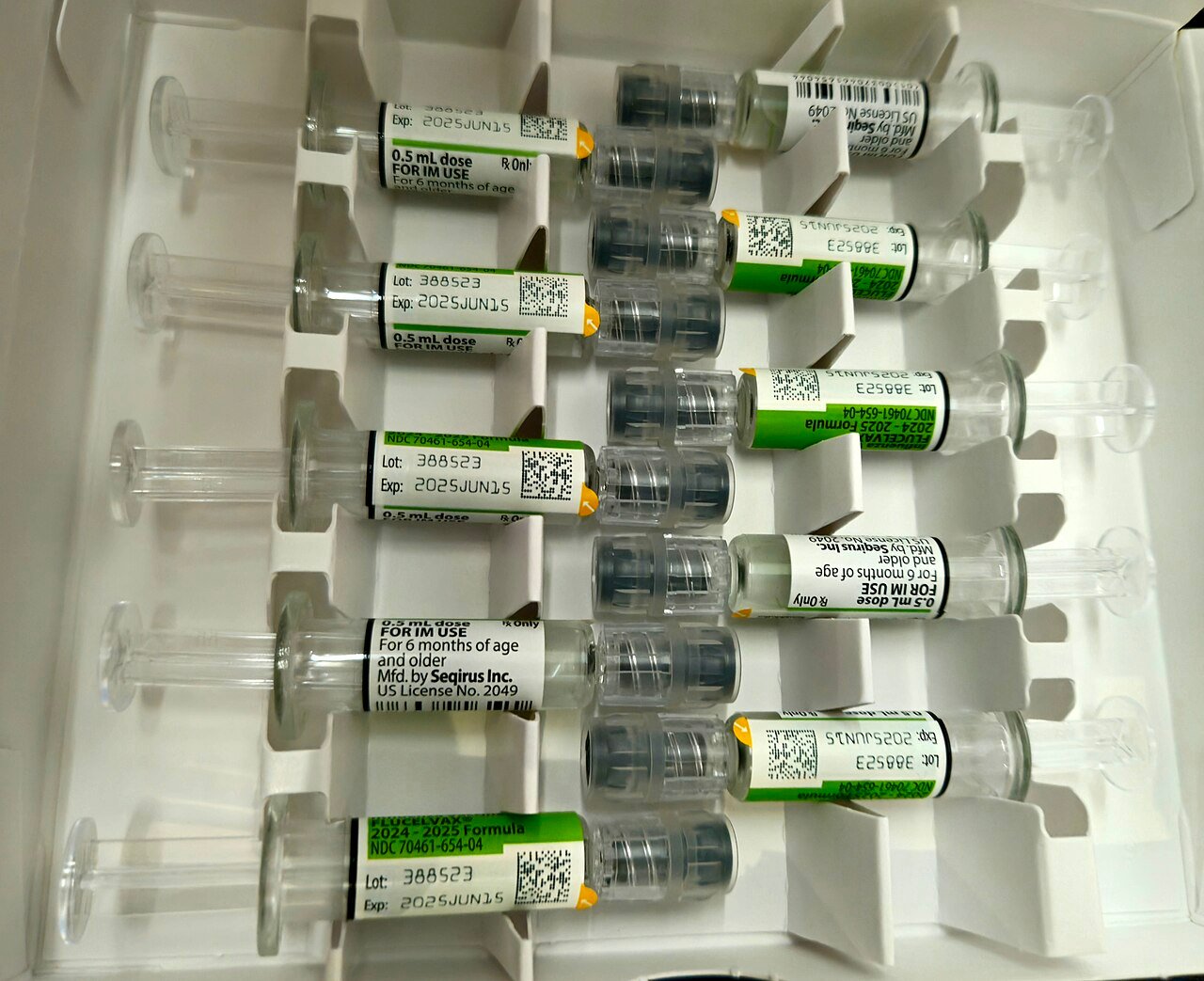
Yet figures show only 34.2 per cent of these groups had received a flu vaccine up to 22 November — leaving almost 7 million people without protection. Uptake among adults aged 65 and over is currently 67.6 per cent, which the UKHSA said was lagging behind where it should be at this stage of the season.
Dr McDonald urged people to check whether they are eligible and to come forward. “Flu can be very serious for people of all ages living with certain long-term health conditions, especially chronic liver disease, chronic neurological disease and those with a weakened immune system or ‘immunosuppression’,” she said. “Every winter we see many thousands having to be hospitalised and tragically too many unnecessary deaths. A flu vaccine will help protect you and could save your life.”
The UKHSA has said some people at increased risk of serious illness are as much as 48 times more likely to die if they catch flu, compared with the general population.
A wider flu picture — and what happens next
England is not alone in facing an early flu season. In the United States, the early flu season surges across the US, with hospitals there also treating large numbers of patients weeks earlier than expected. Health officials on both sides of the Atlantic are giving the same advice: get vaccinated, and do it now.
For the NHS, the next two weeks will be decisive. If Sir Jim Mackey’s forecast is right, admissions will keep climbing through the first half of December, and hospitals that are already declaring critical incidents in November will face their hardest test before Christmas.
The advice from health officials is straightforward:
- Anyone eligible for a free flu jab should get it as soon as possible — including older adults, pregnant women, young children and people with long-term health conditions.
- People unsure whether they qualify should ask their GP practice or pharmacy.
- Anyone with flu symptoms should rest, stay hydrated and seek medical help promptly if they are in a high-risk group or become seriously unwell.
The takeaway: the vaccine remains the best protection available, and with the spike still building, the window to get protected before the worst weeks arrive is narrowing fast.
By The BNN Media
The Best News Network
News Beyond the Borders