 By
About 2,000 years ago, the last remnant of a giant ice sheet began growing again in the Canadian Arctic — the first step, scientists say, of Earth’s next ice age. Then, by the 1960s, rising temperatures brought it to a halt.
By The BNN Media
The Best News Network
News Beyond the Borders
New York, United States — About 2,000 years ago, the remnants of a vast ice sheet in the Canadian Arctic began expanding again, in what scientists now argue was the start of Earth’s next glacial period — the event most people call an ice age. But the process was cut short: by the 1960s, warming summer temperatures had reversed the growth, and the ancient ice has been retreating ever since.
A Two-Thousand-Year-Old Beginning
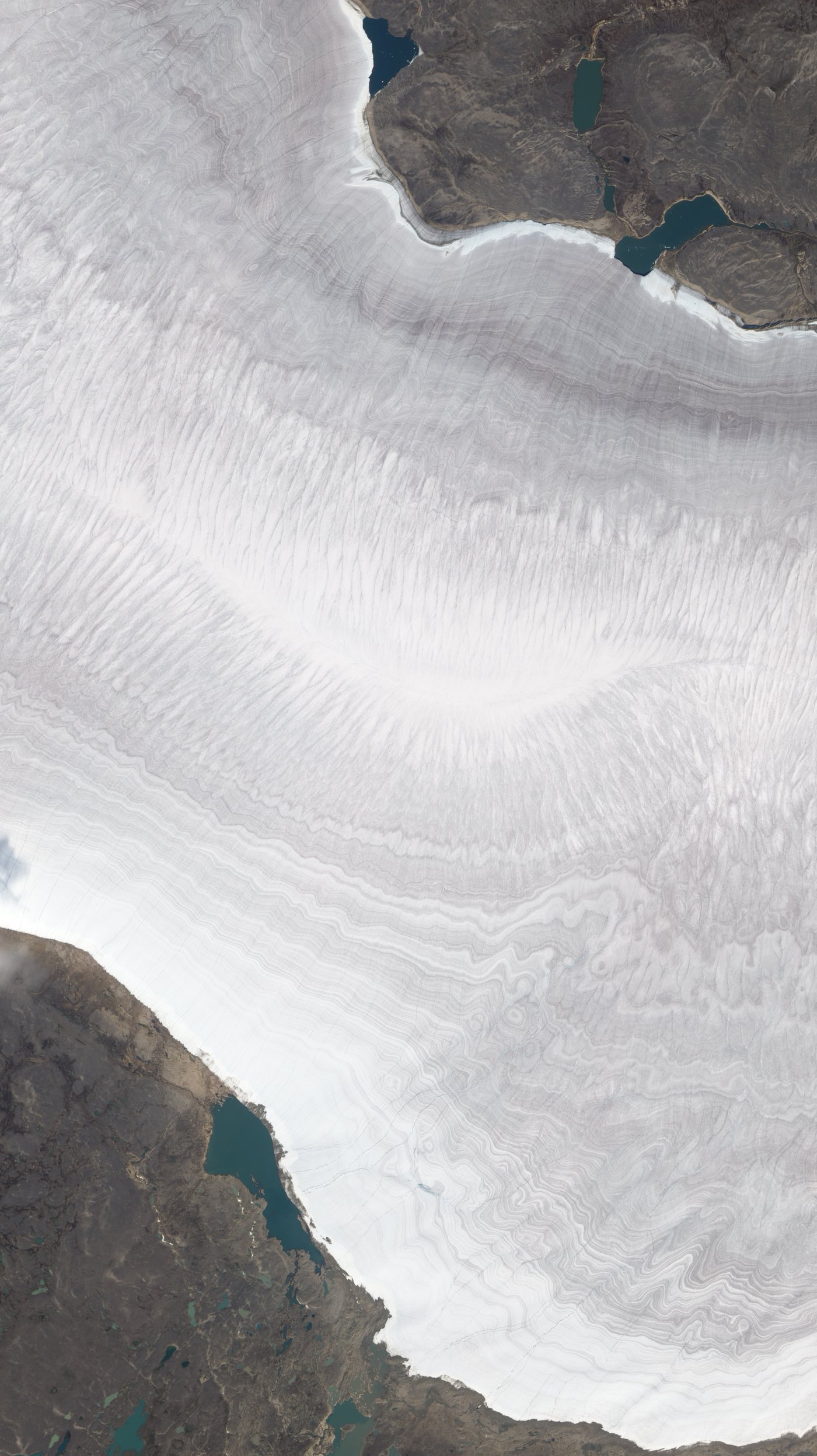
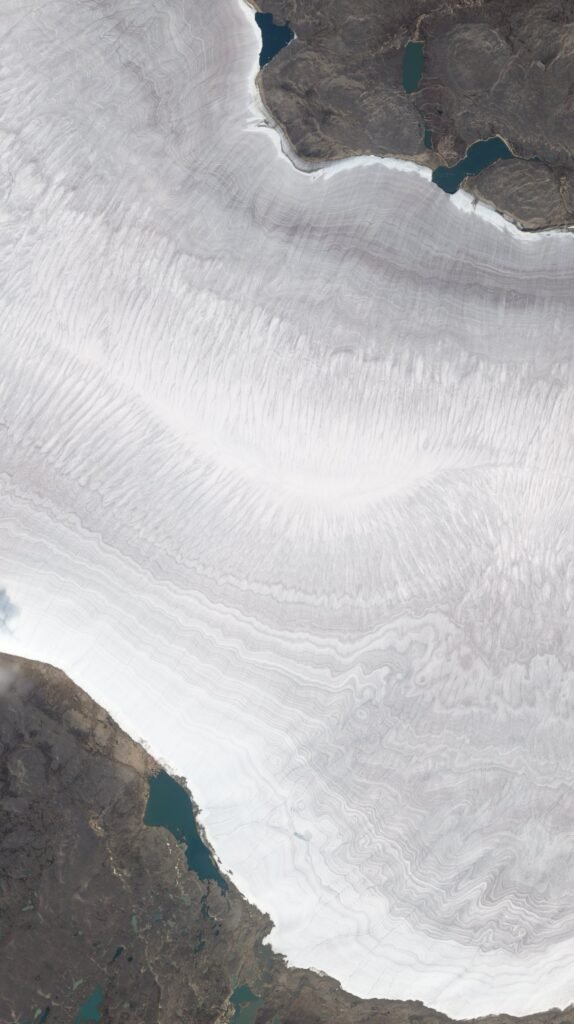
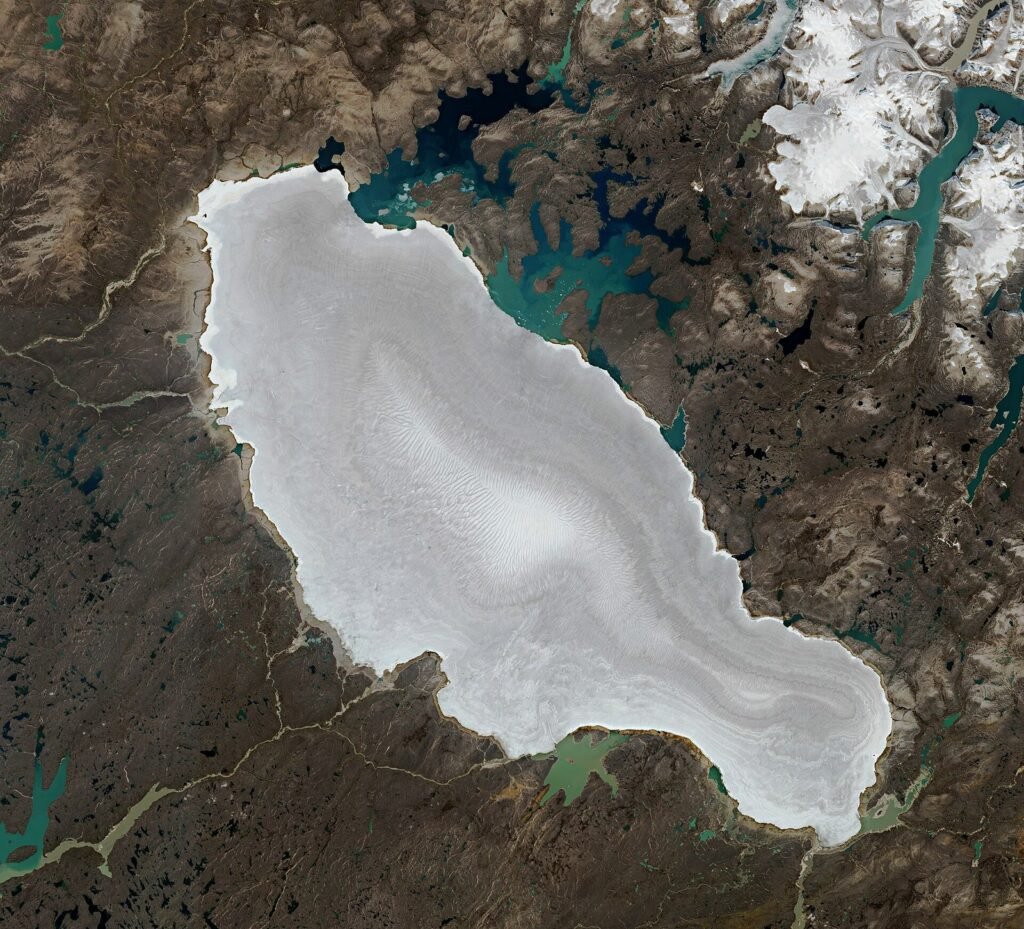
The finding comes from a study of the Barnes Ice Cap, the last surviving piece of the Laurentide Ice Sheet, published in the journal Science on 22 October 2026. The Laurentide once covered much of Canada and the northern United States, stretching at its greatest extent from north of the Arctic Circle to Illinois, with ice more than two miles (3.2 kilometres) thick in places.
The Barnes Ice Cap sits on the central plateau of Baffin Island in the Canadian territory of Nunavut. It covers an area roughly the size of the US state of Delaware and is about 700 metres (2,300 feet) thick — thick enough to lift its surface to heights where snow can survive the summer.
“People always say that it disappeared, but that’s not true,” said Nicolás Young, a geochemist at Columbia University’s Lamont-Doherty Earth Observatory, who led the study. What is left of the Laurentide, he said, is the Barnes Ice Cap — and its history shows the next glaciation was already under way.
The claim is a bold one: the next ice age did not lie thousands of years in the future. On the researchers’ reading, it had already begun.
Reading the Plants Beneath the Ice
Piecing together the history of an ice sheet is difficult, because advancing glaciers usually scrape away the very traces that would show where and when they first began to spread. The Barnes Ice Cap is different: unlike most glaciers, it is frozen directly to the bedrock beneath it and does not slide across the landscape. Plants that grew on ground later covered by the ice were buried in place and preserved for thousands of years.
Since the ice cap began retreating in 1960, that buried vegetation has gradually emerged from beneath the melting ice. The researchers collected the ancient plant remains and dated them using radiocarbon dating, which measures how much carbon-14 — a form of carbon absorbed by living things — remains after an organism dies. Each date marks the moment the advancing ice buried that plant.
“If you do this enough times, you can actually develop a timeline of that ice margin systematically advancing over plants. You’re actually tracking the expansion of that ice margin,” Young said.
The team also dated 35 boulders and bedrock surfaces around the ice cap, and examined plant remains exposed beneath smaller nearby ice caps that have recently melted. Together, the samples allowed them to reconstruct thousands of years of glacial change.
The Smallest Point, Then Growth
Their results show that the Laurentide Ice Sheet reached its smallest extent about 3,000 years ago. Then, around 2,000 years ago, temperatures became cold enough for the remaining ice to begin expanding again. The researchers argue that this renewed growth should be recognised as the start of Earth’s next glacial period.
That interpretation differs from earlier research based on climate models, which has generally suggested the next glaciation would not begin for thousands, or even tens of thousands, of years. The disagreement partly comes down to definition: rather than waiting until enormous continental ice sheets have spread across continents, Young’s team proposes that the first sustained expansion of an existing ice sheet should mark the starting point.
Under that definition, the next glaciation had already begun long before modern scientists recognised it — and the expansion would have been slow. According to Young, it would have taken thousands of years for the cooling to become noticeable, and roughly 30,000 years for the Laurentide to regain its enormous continental dimensions.
The discovery also casts new light on a debate from the 1970s, when some climate researchers suggested another ice age might be approaching. “It actually was happening,” Young said. “They couldn’t quite prove it, but now we sort of have the evidence.”
The ice age was not coming. By the researchers’ account, it was already here — in its earliest, slowest stage.
Warming Brought It to a Halt
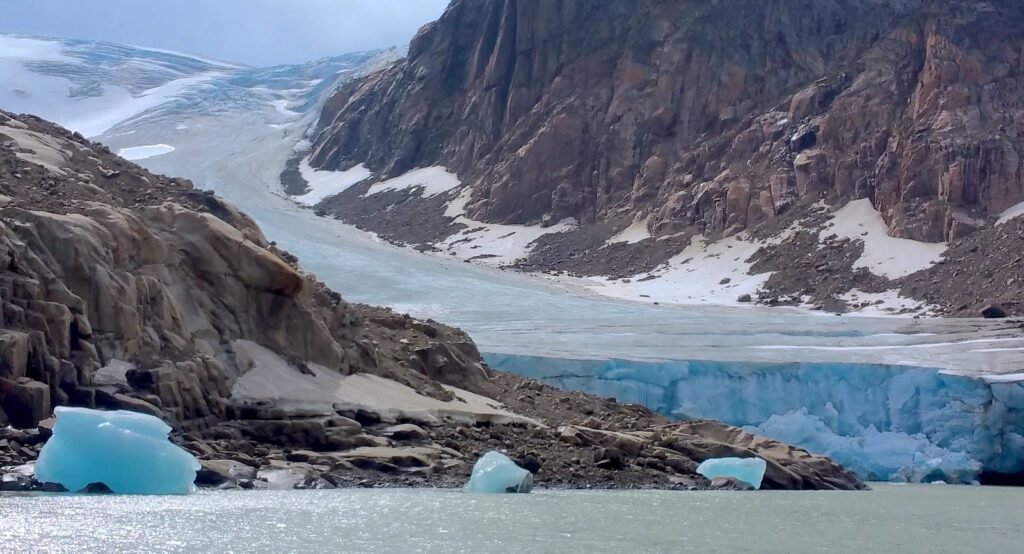
The process was only in its earliest stages when the warming climate brought it to a halt. By the 1960s, conditions had changed enough that the Barnes Ice Cap was losing more ice during the summer than it could replace through winter snowfall. Instead of continuing to expand, the ancient ice began shrinking.
Aerial photographs show the ice margin retreating from about 1961, and the cap has since given up between 200 and 800 metres of ground. Summer temperatures have been climbing since the late 1700s, and since the early 1960s warmer summers account for almost all of the ice cap’s losses — summers that track the greenhouse gases people have added to the air.
Between 1750 and 1850, the total rose by only about 12 parts per million of carbon dioxide equivalent. By 1960 it had risen by another 50, and by 2024 by a further 138.
“It was just getting started, everything was normal, the next glaciation was about to happen — and yet it stopped,” Young said. “It’s a very powerful example of how we have jolted the system.”
What the Loss Means for the Future
The consequences may extend far beyond the present day. Models projecting the future of the Barnes Ice Cap indicate that it could disappear entirely within the next few centuries.
“That will be the true very last remains of the Laurentide, disappearing for good,” Young said.
Its disappearance could also change how future glacial periods develop. In the past, the Laurentide provided a starting point for renewed glaciation whenever Earth’s climate cooled enough: a large existing mass of ice helps create conditions that favour further ice accumulation, a reinforcing process scientists call a positive feedback. Without the Laurentide’s last surviving remnant, a future glacial period might unfold differently — and if enormous continental ice sheets eventually start forming again, they may have to do so without the ancient ice that previously helped start their growth.
A perspective article in the same issue of Science notes that future human greenhouse gas emissions could place a decisive end to the cycle, forestalling the next ice age for hundreds of thousands of years. Researchers cannot yet determine when another glaciation could begin under atmospheric conditions shaped by elevated greenhouse gas concentrations.
The findings suggest global warming has done more than melt glaciers and shrink existing ice sheets. It may have interrupted a glacial cycle that was already beginning — while also removing a feature that helped sustain ice age cycles across North America for millions of years. The climate talks in Antalya ended last week without a deal, after COP31 collapsed in disarray — a reminder that the warming behind this interrupted ice age remains an unresolved question.
“What has been an extremely natural and predictable phenomenon is now gone,” Young said.
Earth’s next ice age began 2,000 years ago and ended in the 1960s — stopped, the researchers say, by the warming humans caused.
By The BNN Media
The Best News Network
News Beyond the Borders