By
November’s full Beaver Moon reaches its peak on Tuesday morning — but the show is in the evenings, when the biggest-looking Moon of the season climbs out of the eastern sky. It is the first of three supermoons in a row, and the December one will be the closest full Moon of the whole year.
By Salman Qureshi
Cameraman / Photographer | The BNN Media – The Best News Network
News Beyond the Borders
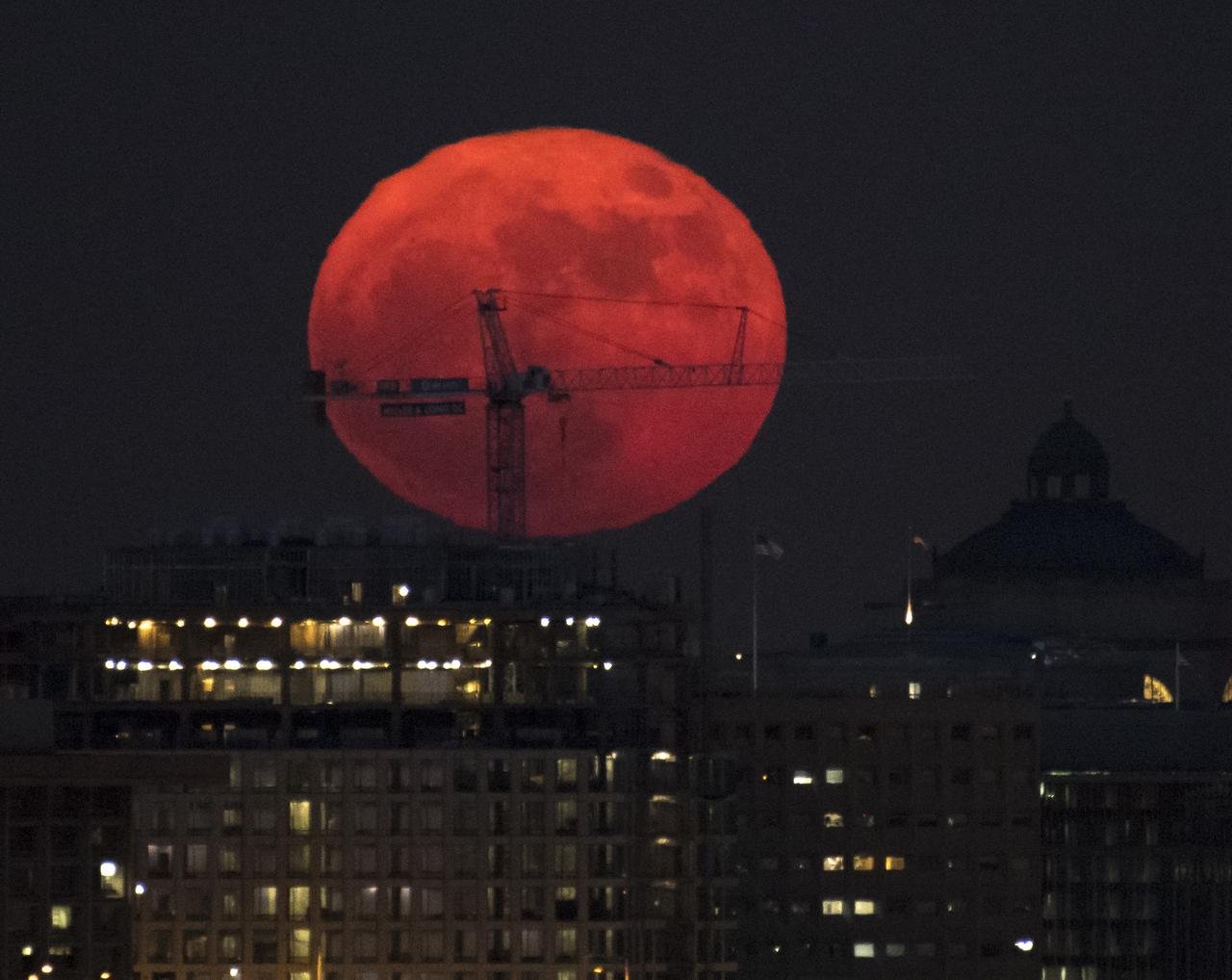
Washington, United States — November’s full Moon — the Beaver Moon — reaches its peak at 9:53 a.m. EST (14:53 UTC) on Tuesday, 24 November, and it is a supermoon, the first of three in a row running through January. Because the exact moment of fullness falls in daylight, the best views come at moonrise on the evenings of Monday, 23 November and Tuesday, 24 November, when the Moon will look more than 99 per cent lit as it rises in the east. At its fullest it will sit about 224,200 miles (360,765 kilometres) from Earth — and it can appear up to 14 per cent larger and 30 per cent brighter than the faintest full Moon of the year.
When and Where to Look
The timing is simple, and it favours anyone who can step outside at dusk. The Moon turns full at 9:53 a.m. Eastern Time on Tuesday, when most of North America is in daylight and the Moon is below the horizon. But a full Moon is effectively full for a night either side of the exact moment — so on both Monday and Tuesday evenings it will rise looking full.
Look east, around sunset. On Tuesday, moonrise falls at about 4:17 p.m. in New York, 4:09 p.m. in Chicago, 4:29 p.m. in Denver and 4:44 p.m. in Los Angeles, local time. The best moment is in the first hour after it clears the horizon, when it hangs low and huge over rooftops, trees and hills.
No telescope is needed and no special equipment is required — this is a naked-eye event. Binoculars will bring out the dark patches of the lunar seas, and a camera on a tripod will do far better than a handheld phone at catching the detail. The one thing that matters is the sky: a clear eastern horizon beats any gadget.
There is a bonus for skywatchers on Tuesday night. The Pleiades star cluster — the small, tight dipper of stars also known as the Seven Sisters — will sit close to the Moon, and Mars and Jupiter will be visible before dawn.
The peak is in the morning, but the spectacle is at dusk: look east on Monday or Tuesday evening, just after sunset.
What a Supermoon Actually Is
A supermoon is a full Moon that happens at or near perigee — the point in the Moon’s orbit where it is closest to Earth. The Moon’s orbit is not a perfect circle, so its distance from us changes through the month. When fullness and perigee line up, the Moon looks bigger and brighter than an ordinary full Moon.
The effect is real but modest when measured. November’s supermoon will appear up to 14 per cent larger and 30 per cent brighter than the faintest full Moon of the year — the one that falls when the Moon is full at its farthest point. Measured against an average full Moon, the difference is smaller: roughly 8 per cent larger and 16 per cent brighter.
There is a small wrinkle in the timing this month. The Moon does not reach its closest point until about 30 hours after it turns full — on Wednesday, 25 November, when it will be about 223,400 miles (359,336 kilometres) away. It is still close enough at fullness to count comfortably as a supermoon: at 360,765 kilometres when full, it sits just inside the line astronomers use to define one.
Supermoons are not rare. They happen whenever perigee drifts into step with the full Moon, and it stays in step for a few months at a time — which is why they arrive in runs of three or four.
Why It Is Called the Beaver Moon
November’s full Moon has long been known as the Beaver Moon. The name comes from the season: this is the time of year when beavers build their winter lodges and lay in food stores before the lakes freeze, and when trappers in the North American fur trade once set their beaver traps before the waters iced over.
It is also the last full Moon of autumn in the Northern Hemisphere, and this year it falls just two days before Thanksgiving in the United States — on Thursday, 26 November.
The name is one of a set of traditional full-Moon names recorded in the Old Farmer’s Almanac, drawn from Native American, colonial and European folk traditions. Each month’s Moon carries the work of its season: the Harvest Moon of September, the Hunter’s Moon of October, and now the Beaver Moon, when the year’s last preparations for winter are made.
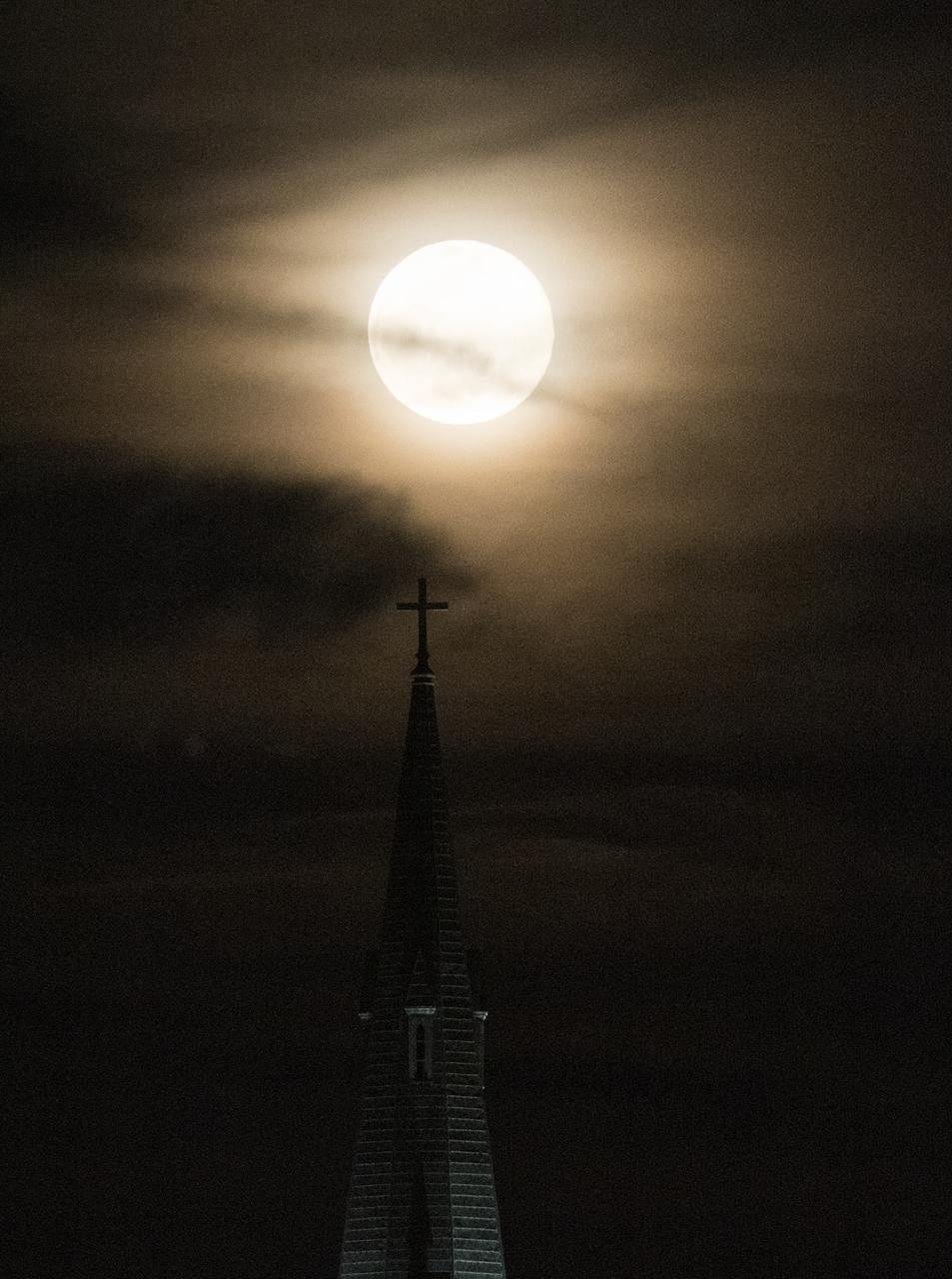
The Moon Illusion: Why It Looks So Huge
Every supermoon brings the same experience, and the same question. Low on the horizon at moonrise, the Moon looks enormous — far bigger than the same Moon high in the sky a few hours later. It is a striking sight, and it is, in a sense, a trick.
The Moon does not actually grow as it rises. Its size in the sky is the same whether it sits on the horizon or overhead. What changes is how our brains judge it. Against familiar objects — buildings, trees, hills — the brain reads the horizon Moon as closer and therefore larger, while the same disc against the empty sky overhead is judged smaller. Photographs prove the point: measured on film, the Moon is the same size at both heights.
The illusion is part of the pleasure. A supermoon at moonrise, framed by a skyline or a hill, is the most dramatic Moon most people will ever see — not because the Moon has changed, but because the foreground gives the eye something to measure it against. That is why photographers chase the rising Moon rather than the one at midnight.
The giant horizon Moon is a trick of perception, not a real enlargement — but it is the best view of the night all the same.
Three in a Row — and December Is the Big One
November’s Beaver Moon is only the opening act. According to NASA, it is the first of three consecutive supermoons, with the next two arriving in December and January.
The second is the one to circle on the calendar. The Cold Moon on 23 December will be the closest full Moon of 2026, at about 221,700 miles (356,738 kilometres) from Earth — closer than November’s by more than 2,000 miles, and the nearest full Moon of the year by a comfortable margin. It reaches fullness at 8:28 p.m. Eastern Time, so unlike November’s, its peak will be visible in the evening sky.
The third in the run is the Wolf Moon on 22 January 2027, at about 222,200 miles (357,644 kilometres). Taken together, the three make a slow crescendo and fade: November’s is the most distant of the trio, December’s the closest, and January’s in between.
Three supermoons in a row is not unusual. It happens because perigee — the Moon’s closest approach — drifts slowly through the lunar cycle, spending a few months lined up with the full Moon before drifting out of step again. For skywatchers, the result is a season of bright Moons, with December’s as the prize.
How to Watch — and Photograph — It
The Beaver Moon asks nothing of its audience except that they look up, but a little planning makes it far better. Find a spot with a clear view to the east — a rooftop, a park, a hill, or a shoreline — and arrive a few minutes before moonrise so the Moon is already in view as it clears the horizon.
For photographers, the rising Moon is the shot. Include something in the foreground — a building, a tree, a bridge — to show the scale, and expose for the Moon itself rather than the sky, or the bright disc will wash out to white. A phone can capture it, but a camera with a zoom lens and a tripod will hold the detail of the lunar surface: the dark plains and the bright rayed craters, clearest a day or two after full.
If the clouds close in on Tuesday, the evening is not lost. The Moon will still be nearly full on Wednesday night, and the December Cold Moon — bigger still — is less than a month away.
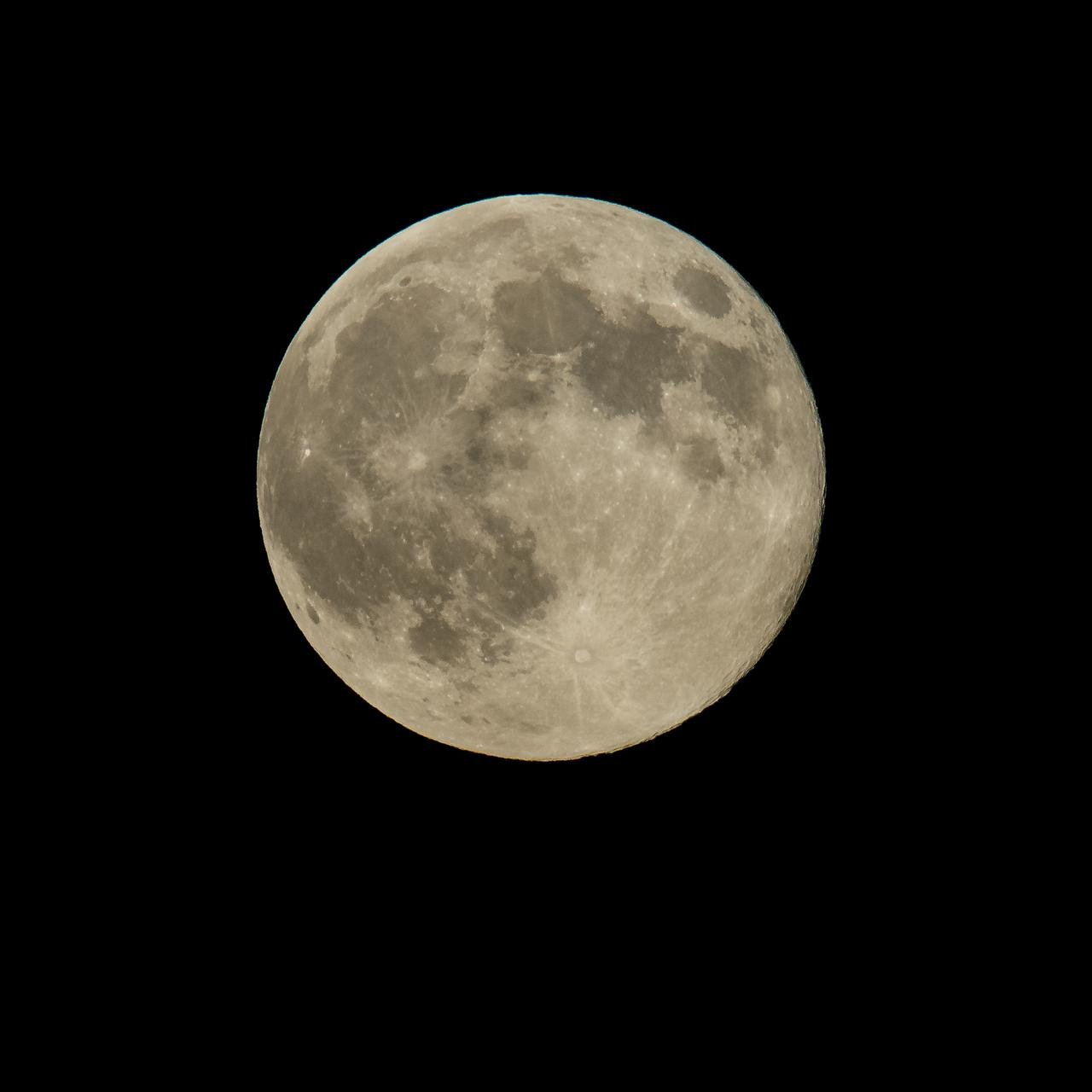
The Key Facts
- November’s full Beaver Moon peaks on Tuesday, 24 November 2026 at 9:53 a.m. EST (14:53 UTC).
- Best viewing is at moonrise on the evenings of Monday, 23 November and Tuesday, 24 November — look east, around sunset; the Moon is more than 99 per cent lit on both evenings.
- It is a supermoon — a full Moon near perigee, its closest point to Earth — at about 224,200 miles (360,765 km) from Earth when full.
- A supermoon can appear up to 14 per cent larger and 30 per cent brighter than the faintest full Moon; about 8 per cent larger and 16 per cent brighter than an average full Moon.
- The name comes from beavers building their winter lodges at this time of year, and from the fur-trapping season.
- The huge Moon at the horizon is the moon illusion — a trick of perception; the Moon is the same size high in the sky.
- It is the first of three consecutive supermoons (NASA): the Cold Moon on 23 December 2026 will be the closest full Moon of the year at about 221,700 miles, followed by the Wolf Moon on 22 January 2027.
- The Pleiades star cluster sits near the Moon on 24 November; Mars and Jupiter are visible before dawn.
Step outside at dusk, look east, and let the season’s first supermoon do the rest — December’s will be even closer.
Reporting based on NASA; Discover Magazine, 23 November 2026; Old Farmer’s Almanac; Farmers’ Almanac; and Earth.com, November 2026.
By Salman Qureshi
Cameraman / Photographer | The BNN Media – The Best News Network
News Beyond the Borders