By
The US Food and Drug Administration has announced a Class I recall of Tandem Diabetes Care’s Mobi insulin pumps, warning that false occlusion alarms can silently halt insulin delivery. More than 80,000 pumps are affected, and 1,248 serious injuries have been reported.
By The BNN Media
The Best News Network
News Beyond the Borders
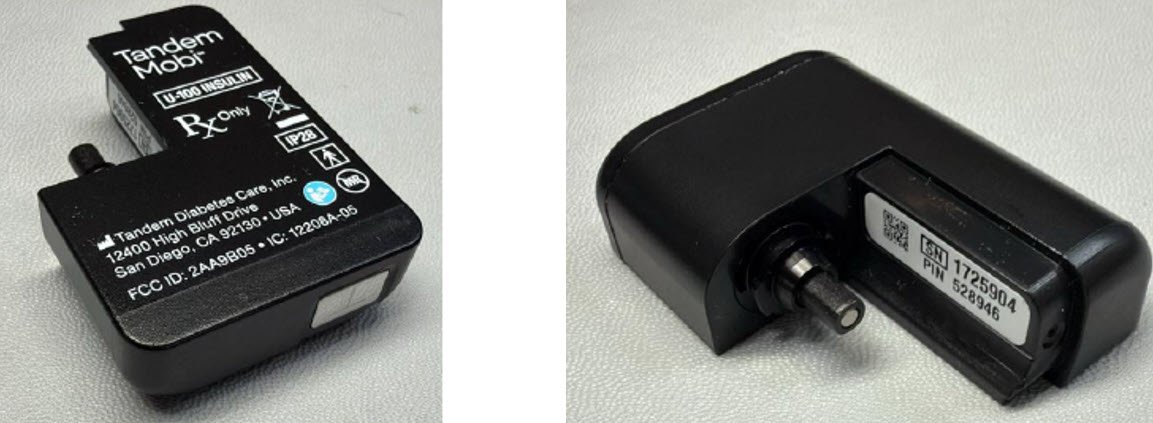
Washington, United States — The US Food and Drug Administration (FDA) has announced a Class I recall of Tandem Diabetes Care’s Tandem Mobi insulin pumps, its most serious category of recall, after the devices were linked to 1,248 serious injuries. The pumps can generate false alarms that wrongly stop insulin from reaching the patient, the agency said on 25 November 2026.
What the FDA Announced
The FDA published its recall notice on Wednesday, 25 November 2026, identifying the action as the most serious type of recall — one in which the agency says the device ‘may cause serious injury or death if you continue to use it without following the recommendations.’
The recall covers all Tandem Mobi Insulin Pumps with Interoperable Technology. Tandem Diabetes Care, based in San Diego, California, has sent two different letters to customers, depending on the pump’s serial number. Pumps whose serial numbers appear on the company’s replacement list must be returned and replaced; all other Mobi pumps remain in use under updated instructions.
Tandem first wrote to customers on 23 September 2026. The recall was entered in the FDA’s enforcement database on 30 October under recall number Z-0316-2027, and the FDA’s public Early Alert followed on 25 November.
The recall is not a ban on the pump, and not every Mobi pump has to be sent back — but every owner must check their serial number.
The Fault: False Alarms That Stop Insulin
The problem lies in the pump’s occlusion alarm — the safety feature meant to detect a blockage in the insulin flow and warn the user.
According to Tandem, increased friction inside the pump’s drive module can reduce the motor’s available power. Under certain conditions, the motor speed then falls below the threshold the pump uses to detect a blockage. The pump wrongly concludes that insulin is blocked and suspends delivery — even though nothing is obstructing the flow.
When an occlusion alarm sounds, insulin delivery stays suspended until the user acknowledges the alarm and resumes therapy. The danger, the FDA says, is that repeated false alarms can interrupt insulin delivery again and again, pushing blood sugar levels up. In severe cases, that high blood sugar — hyperglycaemia — can require medical intervention or hospitalisation.
A safety alarm that fires when nothing is wrong is not a nuisance — for a person who depends on steady insulin, it can become the hazard itself.
The Scale: 80,000 Pumps and 1,248 Injuries
The recall covers about 80,900 pumps, of which almost 78,000 are in the United States, according to the FDA’s database entry. The trade publication Cardiovascular Business, citing the same FDA entry, puts the total at 80,938 pumps, including 77,559 distributed in the United States.
As of 28 October 2026, Tandem had reported 1,248 serious injuries and no deaths associated with the issue, the FDA said.
Tandem had earlier given a lower count to the trade publication MedTech Dive, telling it on 29 October that it had received 230 reports of adverse events requiring medical intervention or hospitalisation. The two figures count different things, and the FDA’s figure of 1,248 serious injuries is the official count in the recall notice.
The Mobi is a small, wearable pump that delivers insulin under the skin for diabetes management. It is controlled through a smartphone app and can work with interoperable continuous glucose monitors and automated insulin dosing systems, which adjust doses automatically.
More than 80,000 people were using a pump that could quietly stop delivering the medicine they depend on.
What Pump Users Should Do Now
The FDA’s advice depends on the pump’s serial number, and owners should check it against Tandem’s published replacement list first. The agency’s guidance is:
- If your pump’s serial number is on the replacement list: immediately submit a request to return and replace the pump through Tandem’s website or by calling Tandem Customer Technical Support on 877-801-6901.
- Always respond to an occlusion alarm: acknowledge it, inspect the cartridge, tubing and infusion site for damage or blockage, correct anything you find, and resume insulin delivery.
- Turn on push notifications in the Tandem Mobi mobile app, so the alarm also reaches your phone. The pump itself warns with audible tones or vibrations that grow louder until acknowledged.
- Check your blood sugar regularly to make sure readings are not unexpectedly high or low.
- Keep a back-up method of insulin delivery ready, as directed by your healthcare provider.
Healthcare providers, distributors and pharmacies in the United States have also received letters about the recall. Customers with questions can contact Tandem at techsupport@tandemdiabetes.com or on 877-801-6901, and problems can be reported to the FDA’s MedWatch programme.

How the Pump Works — and Why the Alarm Matters
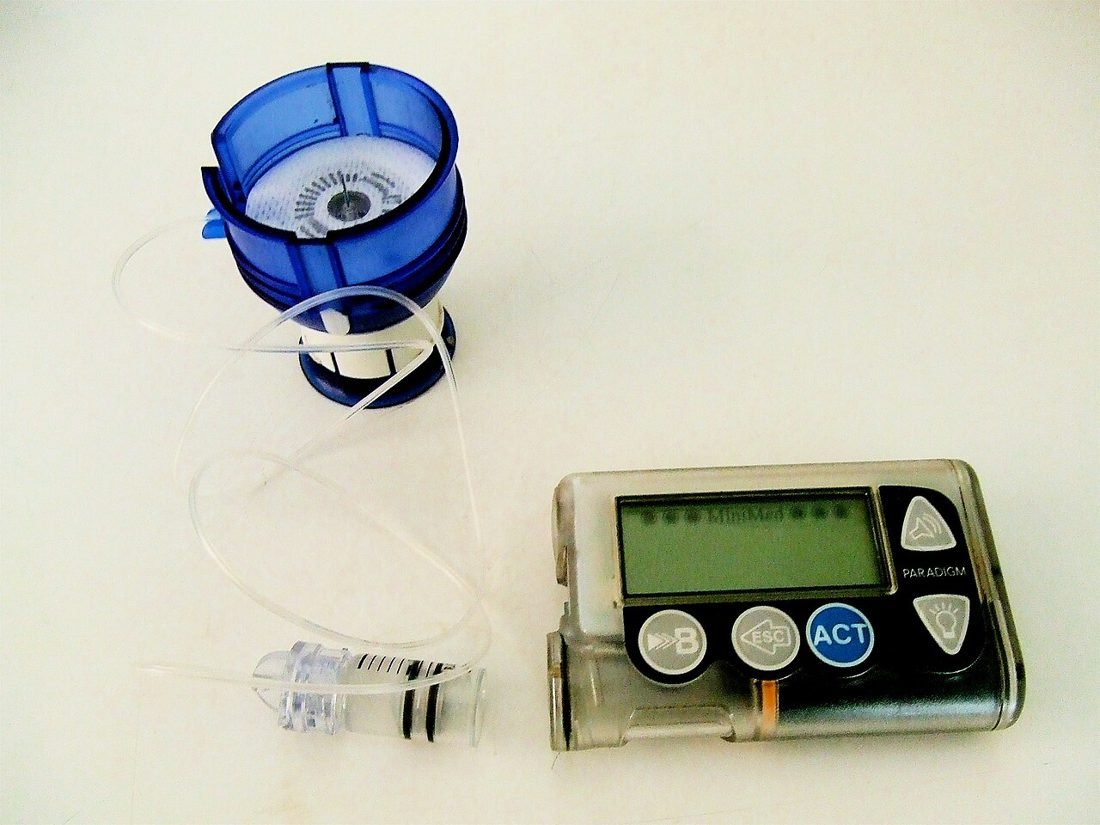
An insulin pump replaces repeated daily injections. It holds insulin in a cartridge and delivers it continuously through a thin tube to an infusion set taped to the skin, with extra doses — boluses — given around meals.
The Tandem Mobi is designed to work as part of a wider system: paired with a compatible glucose sensor, it can adjust insulin delivery automatically. That makes the occlusion alarm especially important. If the pump wrongly believes the tube is blocked, it stops a system the user may be relying on to manage itself.
The alarm is meant to protect the patient. In this case, the protection itself misfired — and because delivery stays off until the user acts, a person who is asleep, busy or away from their phone may not notice for some time.
For a device that manages a life-critical medicine around the clock, a false alarm is not a minor software bug.
A Recall That Arrived in Stages
The public announcement on 25 November came two months after Tandem first contacted customers, and nearly a month after the recall appeared in the FDA’s database. That gap is not unusual: companies often notify users first, and the regulator’s public alert follows once the scope is confirmed.
It follows another major medical-device recall this month, when Medline widened its hospital bed recall after reported deaths climbed to seven. Recalls of widely used medical devices have become a recurring feature of the FDA’s safety alerts this year, and the Mobi case is the largest insulin-pump recall of 2026 by units affected.
What Happens Next
Tandem has said it is investigating the issue and has taken steps during testing to prevent the problem in future pumps, according to MedTech Dive. The company has not said when replacement pumps will reach all affected users, and owners whose serial numbers are on the replacement list are advised to keep following the safety steps above while they wait.
The FDA will continue to monitor reports of injuries through MedWatch, and has asked healthcare professionals and consumers to report any adverse reactions or quality problems with the device.
For the thousands of people who wear a Mobi pump every day, the message from the regulator is simple: check the serial number, answer every alarm, and do not assume a warning is false.
By The BNN Media
The Best News Network
News Beyond the Borders
Sources: US Food and Drug Administration (Insulin Pump Recall: Tandem Diabetes Removes Tandem Mobi Insulin Pumps, published 25 Nov 2026); Citeline; MedTech Dive; Cardiovascular Business; Seeking Alpha/TradingView