By
The US Consumer Product Safety Commission has recalled hundreds of thousands of children’s products in a single week — including a baby bouncer that can collapse, pajamas that fail fire-safety rules and a bike helmet that may not protect a child’s head — and warned parents to check cupboards, toy boxes and toolboxes now.
By The BNN Media
The Best News Network
News Beyond the Borders
Washington, United States — The US Consumer Product Safety Commission (CPSC) has announced a sweeping batch of recalls covering more than 350,000 children’s and household products, warning parents that a baby bouncer can collapse with an infant inside, children’s pajamas fail mandatory fire-safety standards, and a youth bike helmet does not meet the federal safety standard. The recalls, posted on Thursday, 19 November, also include more than 100,000 magnetic robot toys that can release high-powered magnets and about 229,000 tools whose button batteries a child can easily reach.
The Recall Batch at a Glance
The CPSC posts recalls in weekly batches, and the 19 November batch was unusually heavy on products meant for babies and young children. The items named were:
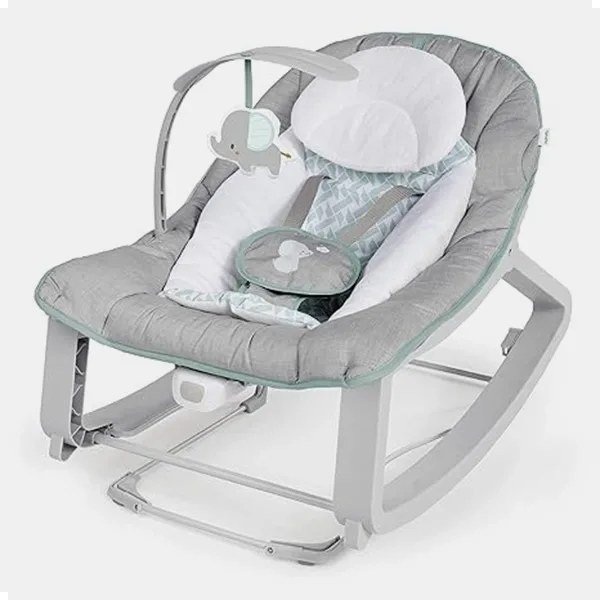
- Kidsview infant bouncers — about 412 recalled after seven reports of the seat collapsing; two babies’ heads struck the surface below.
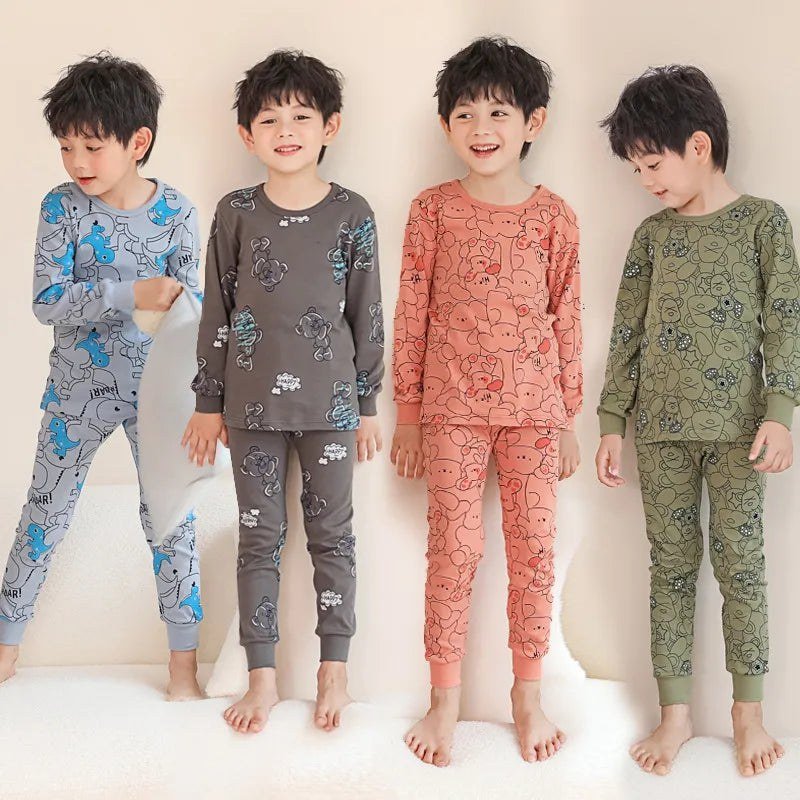
- Qpancy children’s pajama sets — about 1,309 recalled for violating mandatory children’s sleepwear flammability standards.
- Cipton youth bike helmets — 16,730 recalled for failing the federal bicycle helmet standard.
- CHE-US magnetic robot stick figures — about 101,282 recalled because the figures can release high-powered magnets.
- FZChenrry magnetic fidget balls — about 1,372 covered by a CPSC warning, with no refund offered.
- Johnson Level and CLC tools — about 229,430 recalled because children can easily reach their button batteries.
In total, the batch covers roughly 350,000 units. Not every item in it is a formal recall: a “recall” is a company action announced with the CPSC and comes with a remedy, such as a refund. A “warning” means the seller has not agreed to a recall, so the CPSC tells consumers directly to stop using the product and throw it away.
The common thread is that most of these products were bought online — and many may now be sitting in homes as hand-me-downs, secondhand buys or forgotten gifts.
The Baby Bouncer That Can Collapse
The most serious item in the batch is the Kidsview infant bouncer. The CPSC says the bouncers can collapse during use. Kidsview has received seven reports of collapses. In two of them, the baby’s head struck the surface underneath, and one family reported seeking medical attention for their infant. No deaths were reported.
Only bouncers made in August, September or October 2022 are included — about 412 in total. They have khaki fabric seats, a curved frame and an accessory bar with hanging animal toys, and they were sold on Amazon from August 2022 through November 2023 for between $60 and $170. Because they are now several years old, a secondhand or hand-me-down bouncer could easily be one of them.
Parents can check by finding the label sewn onto the back of the fabric seat and reading the date code. Codes beginning 2022/08, 2022/09 or 2022/10 are recalled. The remedy is an Amazon gift card: owners should write “RECALLED” on the fabric seat in permanent marker, take a photo showing both the marking and the date-code label, and email it to the address given in the CPSC notice. The bouncer must not be passed on, even to someone who only plans to use it briefly.
Bouncer seats are covered by a mandatory federal standard that includes structural integrity, stability and collapse tests, and the standard is meant for babies who cannot yet sit up unassisted — roughly from birth to six months. Paediatric guidance adds a point every parent should know: bouncers are for awake time only. If a baby falls asleep in a bouncer, car seat, swing or carrier, the child should be moved to a firm, flat sleep surface on their back as soon as possible, and bouncers should always be used on the floor — never on a table, counter or bed.
Pajamas That Fail the Fire Rules
Federal law treats children’s sleepwear differently from daytime clothes. Under the Flammable Fabrics Act, sleepwear in sizes 0 through 14 must pass flammability tests designed around small open flames such as matches, lighters, candles, fireplace embers, stoves and space heaters. The exceptions are garments that meet the definitions of “infant garments” or tight-fitting sleepwear.
The CPSC says the Qpancy sets violate those sleepwear standards and pose a risk of serious burn injuries. About 1,309 matching sets are affected, in sizes 120 (4–5T) through 150 (10–11Y). Each set includes a long-sleeve, button-front top with a front pocket, shorts and a matching outfit for a doll — which makes it an easy gift item to overlook. They were sold on Amazon from March through August 2026 for about $20, in multicoloured cat, pink bow and pink-and-white stripe prints, with “Qpancy” on the neck label. No injuries or incidents have been reported.
To claim the refund, owners should cut the pajamas in half, photograph them, and email the photo to the address in the CPSC notice, then throw the pajamas away. This is the second batch of Amazon children’s pajamas recalled this autumn for the same reason — an earlier October batch covered QZH.DUAO sets — a sign that the problem is not limited to one seller.
When replacing them, parents should choose sleepwear that is either snug-fitting or labelled as meeting the federal sleepwear flammability standard, and buy from a seller they can identify and contact.
A Bike Helmet That May Not Protect
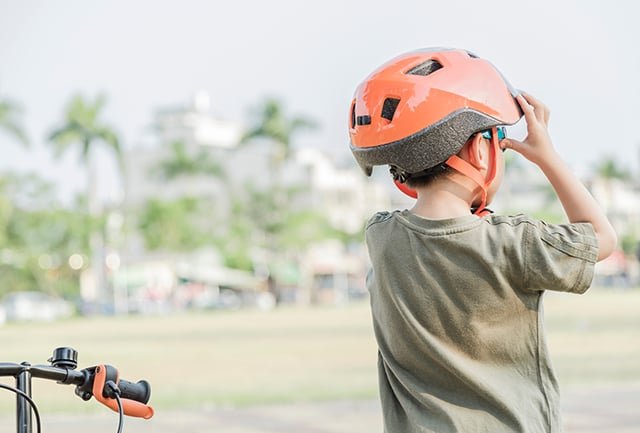
The Cipton youth bike helmet looks the part: white, youth size small, with a built-in multicolour LED strip. But the CPSC says these helmets do not meet the federal bicycle helmet standard’s requirements for impact absorption, positional stability and certification — so they may not protect a child’s head in a crash.
Some 16,730 helmets are affected, model CPSK300CC, fitting a head circumference of about 19.7 to 21.3 inches. They were sold in stores at Dick’s Sporting Goods and JCPenney, as well as online, from April 2024 through May 2026 for about $35. No injuries have been reported.
To claim the refund, owners should cut the straps, write “Recalled” on the helmet in permanent marker, and email a photo to the address in the CPSC notice, or call the number listed there. The helmet has a built-in LED light powered by a lithium-ion battery, and the CPSC says the battery must not go in household rubbish or recycling — owners should ask their local household hazardous waste centre whether it accepts damaged lithium-ion batteries.
Paediatric guidance is clear on replacements: buy only helmets labelled as meeting the CPSC bicycle helmet standard, check the label inside, fit the helmet level on the head so it covers the top of the forehead with the chin strap snug — and never buy, resell or donate a used helmet, because its history is unknown.
A helmet that fails the impact test is worse than no helmet at all in one respect: it gives a false sense of safety.
Magnets and Button Batteries: The Hidden Dangers
Two of the most dangerous items in the batch are also the smallest. The CHE-US magnetic robot stick figures — sets of five or ten purple, blue, yellow, red and green figures, each with a magnet in each hand and foot — were first warned about by the CPSC on 29 October, when the seller had not agreed to a recall. On 19 November they became a formal recall, with a full refund. About 101,282 were sold on Amazon from April 2025 through August 2026 for between $9 and $18, and the packaging carries the code X004N3MGCB.
When a child swallows more than one high-powered magnet, the magnets can pull together inside the digestive system. The CPSC lists perforation, twisting and blockage of the intestines, blood poisoning and death as possible results. Early symptoms — abdominal pain, vomiting and fever — look like everyday illnesses, so parents may not realise what has happened. Paediatric guidance is blunt: if a child may have swallowed a magnet, contact a paediatrician or the nearest emergency department right away. Delaying treatment can lead to severe injury, and surgery may be needed.
The FZChenrry magnetic fidget balls — eight textured silicone balls in an oval black zip case, about 1,372 sold on Amazon — are covered only by a CPSC warning, because the seller has not agreed to a recall or remedy. Parents should stop using them, dispose of them, and not sell or give them away.
The same batch also recalled about 229,430 Johnson Level and CLC tools — digital angle locators, digital callipers, a building calculator and lighted portfolios — because children can easily get to their button batteries, and the products lack the warnings required under Reese’s Law. These are adult tools, but they end up in garages, junk drawers and toolboxes that toddlers can reach. If a child swallows a button battery, go to the emergency department right away and call the National Battery Ingestion Hotline at 1-800-498-8666.
How to Check Your Home and Claim a Refund
The CPSC’s advice for the week is a five-minute check that covers the whole house:
- Bouncers, including hand-me-downs: read the date code on the label on the back of the seat. Codes starting 2022/08, 2022/09 or 2022/10 are recalled.
- Children’s pajamas bought on Amazon this year: look for “Qpancy” on the neck label.
- Bike helmets: look for model CPSK300CC on the inside label of a white LED helmet.
- Toy bins: look for magnetic stick figures (packaging code X004N3MGCB) and magnetic fidget balls.
- Toolbox and garage: look for Johnson Level digital tools and CLC lighted portfolios with the listed model numbers.
For most of these recalls, the refund process is the same: destroy the item, photograph it, and email the photo to the company. Anyone who has already thrown away the magnetic robot toys after the October warning should ask the seller whether a refund is still possible — the CPSC notice does not say. Any injury or close call with a children’s product can be reported to the CPSC at SaferProducts.gov or by calling the CPSC hotline at 800-638-2772.
Why So Many Recalls Land at Once
The 19 November batch is not an isolated event. Product recalls have been a running theme of recent weeks: Honda recalled more than 810,000 vehicles in the United States over a Takata airbag rupture risk, and more than 51,000 toothpaste and mouthwash units were recalled after hormone traces were found. What sets this batch apart is its focus: almost everything in it is something a child touches, wears or sleeps in.
Part of the pattern is the marketplace. Most of the recalled products were sold on Amazon by sellers based overseas, and many carry brand names that parents would not recognise. When a product fails a mandatory standard, the recall can take months to reach the families who bought it — and by then, the item may have been handed down to another child.
That is also why the CPSC’s batch matters beyond the numbers. A recall only works if people hear about it and act on it. The bouncer is the clearest example: only about 412 were sold, but seven of them collapsed, two babies were hurt, and the rest are still out there, three years after they were made, in homes that may not know they were ever recalled.
The check takes five minutes. For a baby’s bouncer, a child’s pajamas or a bike helmet, those five minutes are worth taking tonight.
By The BNN Media
The Best News Network
News Beyond the Borders