By
The US regulator has cleared SpaceX to build the Starmind constellation — one million satellites that would work as data centres in orbit, processing AI workloads in space. Astronomers call it a fantasy. The FCC calls it the future.
By The BNN Media
The Best News Network
News Beyond the Borders
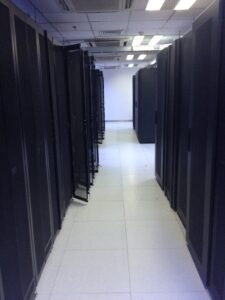
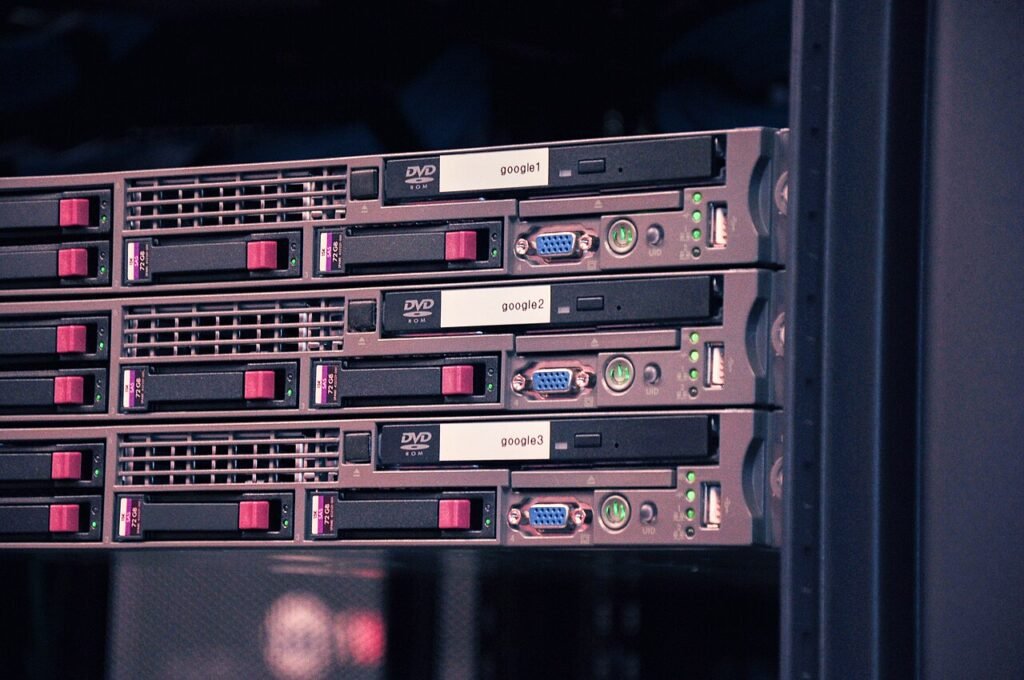
Washington, United States — The Federal Communications Commission said on Wednesday that it was authorising Elon Musk’s SpaceX to deploy up to one million satellites to operate as data centres in space — the first time the United States has approved a full constellation of orbital data centres. The network, called Starmind, would consist of one million “orbital compute modules” processing massive amounts of data for use back on Earth, as demand for artificial-intelligence computing outruns what ground-based data centres can supply.
What the FCC Actually Approved
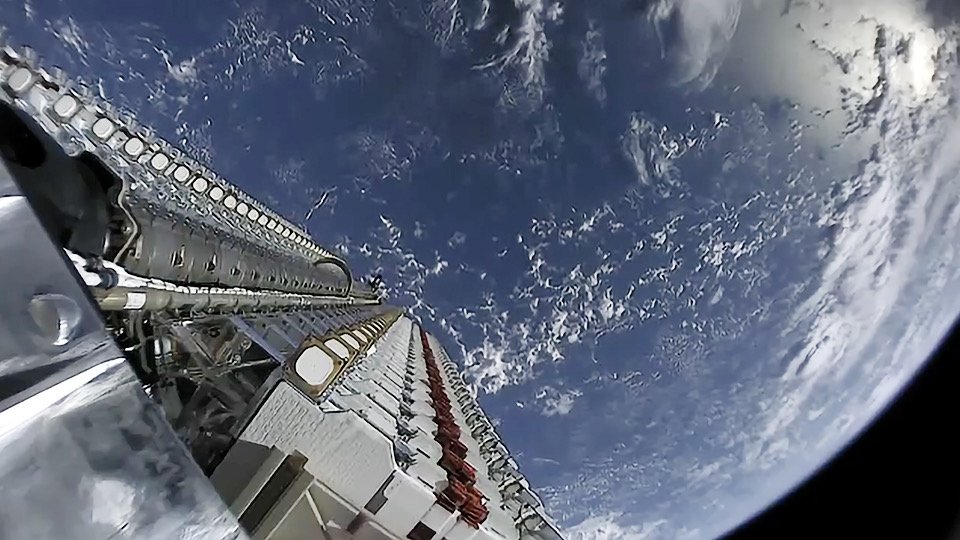
SpaceX filed its application on 30 January this year, seeking permission to deploy up to one million satellites in low Earth orbit. The FCC said it was approving the Starmind constellation to help meet rapidly growing demand for AI computing, and described the decision as a historic first in the artificial-intelligence race.
The idea is to capture the sun’s energy in space to power low-cost, high-performance AI computing for Earth. Rather than simply extending its Starlink broadband network, SpaceX plans a fleet of solar-powered computing satellites linked by high-bandwidth laser communications, processing information in orbit and sending the results back down. The company describes Starmind as harnessing “the full power of the sun” for computing used on Earth.
FCC Chairman Brendan Carr, appointed by President Donald Trump, said in a statement: “America is leading the world into the era of super intelligence.” He added that Wednesday’s move “opens a bold new frontier.” Musk welcomed the decision on social media.
One million satellites is not a launch plan for next year. It is a licence to build, over fourteen years, the largest machine humanity has ever put in orbit.
The Fourteen-Year Clock
The authorisation comes with a strict deployment schedule. SpaceX must place at least one authorised satellite into its assigned orbit by November 2033. It must then deploy 10% of the constellation — 100,000 satellites — by November 2035, and half of it by November 2038. The full one million must be in their assigned orbits no later than November 2040.
The company’s own timetable is faster. SpaceX chief financial officer Bret Johnsen said last week that the company plans to launch its first data centres into space in 2027, expanding its presence through 2029. Musk has previously said the company could begin demonstrating its AI satellite technology by late 2027, with broader deployment potentially beginning as early as 2028.
For scale, SpaceX already operates one of the largest satellite constellations ever assembled, with just over 11,000 Starlink satellites in orbit. Starmind, if fully built, would increase the total number of satellites in Earth orbit roughly fifty-fold.
The licence gives SpaceX until 2040. The company’s own words suggest it wants to start in 2027.
Why Orbit at All?
The case for putting data centres in space rests on three arguments. The first is energy: in orbit, solar panels can collect sunlight almost continuously, without nights, clouds or weather. The second is land and water: ground-based data centres need vast sites and enormous amounts of water for cooling, and they strain the power grids around them. The third is scale: orbit has room that crowded land does not.
Google and Blue Origin are pursuing the same goal, according to reporting on the FCC decision, which makes Starmind the first approved constellation rather than the only idea. Earlier this month, SpaceX’s Starship Flight 15 deployed 26 Starlink satellites and made the first tower catch from orbit — the heavy-lift programme on which the company’s largest launch ambitions rest.
But the physics is contested. Space may be cold, but it is also a vacuum, and a vacuum traps heat inside objects much like a thermos. Radiating away the heat generated by a million computing satellites is, in the words of the critics, one of the basic physical limits the idea must overcome.
Sunlight in orbit is free and endless. Getting rid of the heat it creates is the hard part.
The Scientists Push Back
The decision has drawn sharp criticism from astronomers and rival satellite operators. The American Astronomical Society, the satellite communications company Viasat and Amazon-owned Kuiper Systems were among those who called on the regulator to deny SpaceX’s request.
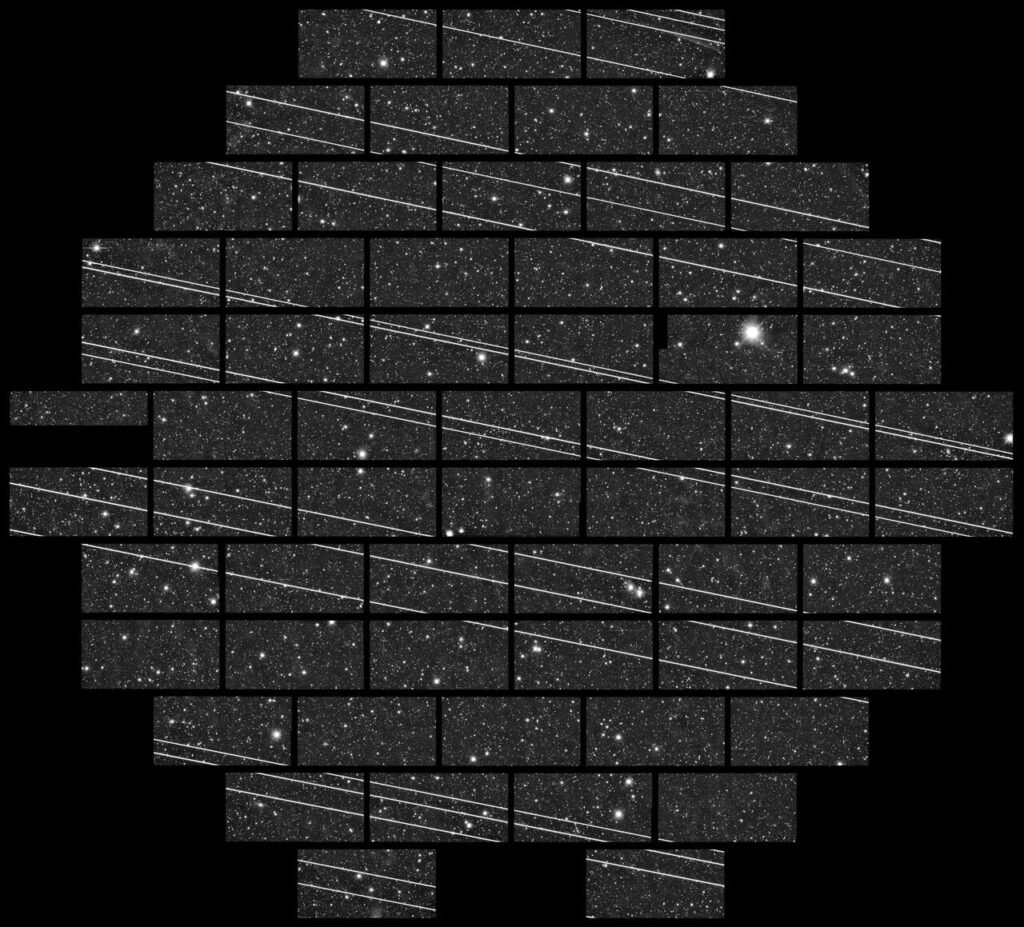
In a statement on Wednesday, the American Astronomical Society said it was “disheartened and dismayed” by the decision. It said SpaceX’s proposed satellites in low Earth orbit would undermine decades of federal investment in astronomical facilities and “the ability of astronomers and the public to enjoy and study the night sky”. The organisation warned that the proposed constellation involves larger — and therefore brighter — and more numerous objects, which “would therefore be visible as extremely bright objects for longer periods in the night sky”.
Adam Becker, an astrophysicist and author, called the prospect of launching a million satellites into space to create data centres “a fantasy”. “It’s not going to happen,” he said on Wednesday. He also warned of collision risks: a cascade of crashes in low Earth orbit could create “a cloud of debris” where many weather and telecommunications satellites also operate. “It also is pollution of the night sky to the naked eye,” he said.
The astronomers’ objection is not only about science. It is about whether the night sky itself survives the build-out.
What the FCC Did — and Did Not — Decide
The FCC’s order addressed the objections directly, and set most of them aside. It maintained that the Starmind constellation operates consistently with its orbital debris rules. It acknowledged receiving a “substantial number” of public comments, including petitions to deny the application, but held that deploying the satellites “serves the public interest”.
On the environment, the regulator said it would not require further environmental review under the National Environmental Policy Act. Under an order issued in October 2026, the FCC concluded that space-based operations do not take place within United States territory and therefore do not trigger its environmental-review obligations. It said it had dismissed topics it did not have authority over, including environmental concerns.
The approval was not unconditional. The FCC did not grant every part of SpaceX’s request: it refused a waiver that would have allowed satellites operating above 600 kilometres to be moved into so-called graveyard orbits at the end of their lives, rather than being brought down to burn up in the atmosphere.
The regulator approved the constellation, dismissed the environmental questions as outside its authority, and kept the end-of-life rules intact.
What Happens Now
The authorisation is a licence, not a launch. No Starmind satellite has been built, launched or switched on, and the first one is not due in orbit until 2033 under the FCC’s schedule — though SpaceX says it aims to start demonstrating the technology in 2027. Between now and then, the company must design, finance and build a system nobody has ever built at anything like this scale, and find a way to launch it: a million satellites would require a launch tempo far beyond anything flown to date.
The sceptics’ case is that the economics and the physics will not cooperate — that a million satellites is a number on a licence, not a plan. The supporters’ case is that the demand is real: AI computing needs more power than the ground can cheaply provide, and the sun, unlike a power grid, does not run out.
For now, the night sky is unchanged. But the paperwork for changing it — one million satellites’ worth — has been signed.
The FCC has said yes. Whether a million data centres can actually fly is a question only the next fourteen years can answer.
By The BNN Media
The Best News Network
News Beyond the Borders