By
The military says the four intelligence-based operations, carried out between 20 and 23 November, targeted hideouts of the group it calls Fitna al-Hindustan in Nushki, Sibi, Panjgur and Kech districts.
By The BNN Media
The Best News Network
News Beyond the Borders
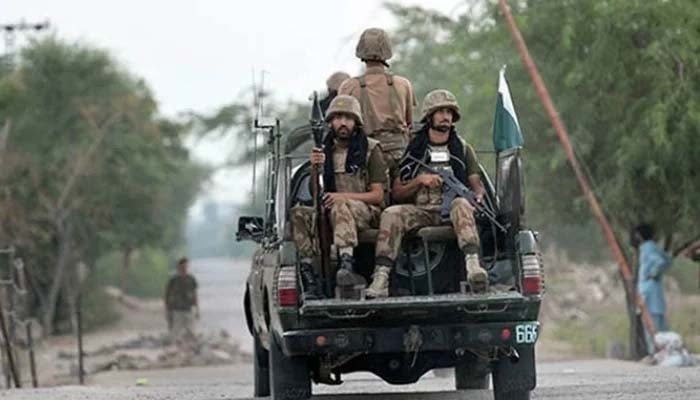
Rawalpindi, Pakistan — Security forces killed 12 terrorists in four intelligence-based operations across Balochistan between 20 and 23 November 2026, the military’s media wing, the Inter-Services Public Relations (ISPR), said in a statement on Thursday, 26 November. The ISPR said the dead belonged to the group it describes as the India-backed Fitna al-Hindustan.
Four operations in four days
According to the ISPR statement, reported by The News and Geo News on Thursday, the operations were carried out in Nushki, Sibi, Panjgur and Kech districts as part of the ongoing counterterrorism campaign in the province. The largest of the four operations accounted for eight of the 12 deaths, with the remaining four killed in three smaller engagements over the following three days.
The breakdown given by the ISPR was:
- Nushki, 20 November: eight terrorists killed
- Sibi, 21 November: two terrorists killed
- Panjgur and Kech, 22 and 23 November: two terrorists killed in two further engagements
Twelve deaths in four operations across four districts — the heaviest single toll coming on the first day, in Nushki.
The Nushki operation
The largest operation took place on 20 November, when security forces targeted a terrorist hideout in Nushki district. “On 20th November, a terrorist hideout was targeted in Nushki district. After intense engagement, eight terrorists belonging to Indian backed Fitna al-Hindustan were neutralised. Weapons and ammunition were recovered from the killed terrorists,” the ISPR said, as quoted by The News.
Weapons and ammunition were recovered from the site, according to the statement. The ISPR did not name any of the eight men killed in Nushki, nor did it give further detail about the hideout itself.
Sibi, Panjgur and Kech
A day later, on 21 November, security forces intercepted the movement of terrorists in Sibi district and killed two more, the ISPR said. Two further engagements followed in Panjgur and Kech districts on 22 and 23 November, in which hideouts were targeted and two more terrorists belonging to the same group were killed.
The statement did not say how the two deaths in Panjgur and Kech were divided between the two districts, and it did not identify the men killed in any of the three later operations. No casualties among security forces were reported in the statement.
Who the military says the dead men were
The ISPR identified all 12 of those killed as members of Fitna al-Hindustan, the term the Pakistani state uses for the banned Balochistan Liberation Army and allied groups active in the province. The military described the group as India-backed, and the ISPR has used the same description in earlier statements about operations in Balochistan.
The claim that the group is backed by India is the military’s characterisation, as reported in the ISPR statement. No evidence for that claim was published alongside the statement, and the statement did not say what the men were planning or what specific attacks they were accused of involvement in.
The wider campaign
The ISPR said the operations were part of the ongoing counterterrorism campaign being carried out under the vision of Azm-i-Istehkam, approved by the Federal Apex Committee on the National Action Plan. The statement said security forces and law enforcement agencies would continue the campaign at full pace, and that operations to eliminate foreign-sponsored terrorism from the country would continue.
The Balochistan operations follow earlier raids in South Waziristan, Bannu and Tank, in Khyber Pakhtunkhwa, which BNN reported on 19 November — a separate series of operations in a different province. Together, the two announcements point to a counterterrorism campaign being pressed in both provinces at the same time.
What the statement does not say
As with most ISPR operation announcements, the statement gives the outcome — the number of people killed, the districts and the dates — but little that would allow independent verification. It does not name the dead, does not describe the intelligence behind the operations, and does not say whether anyone was arrested or whether any security personnel were wounded. The figures and the account of events come from the military alone, and no independent confirmation of the operations was available at the time of writing.
That is an important limit on the story: the toll of 12, the dates and the districts are all as stated by the ISPR, and readers should understand the account as the military’s version of events. What is not in doubt is the scale of the claim itself — four operations in four days across four districts, with the heaviest fighting reported in Nushki — and the military’s stated intention to keep the campaign going.
Twelve killed, four districts, four days — and, according to the military, a campaign that will continue at full pace.
By The BNN Media
The Best News Network
News Beyond the Borders
Sources: ISPR statement as reported by The News and Geo News, 26 November 2026. The quote from the ISPR statement is as published by The News. Dawn’s own article page for this story could not be located directly; Feature Pakistan notes Dawn reported the operations on 26 November.