By
Pentagon Weighed Wartime Law to Pressure Nvidia Into Reinstating Jensen Huang, Washington Post Reports
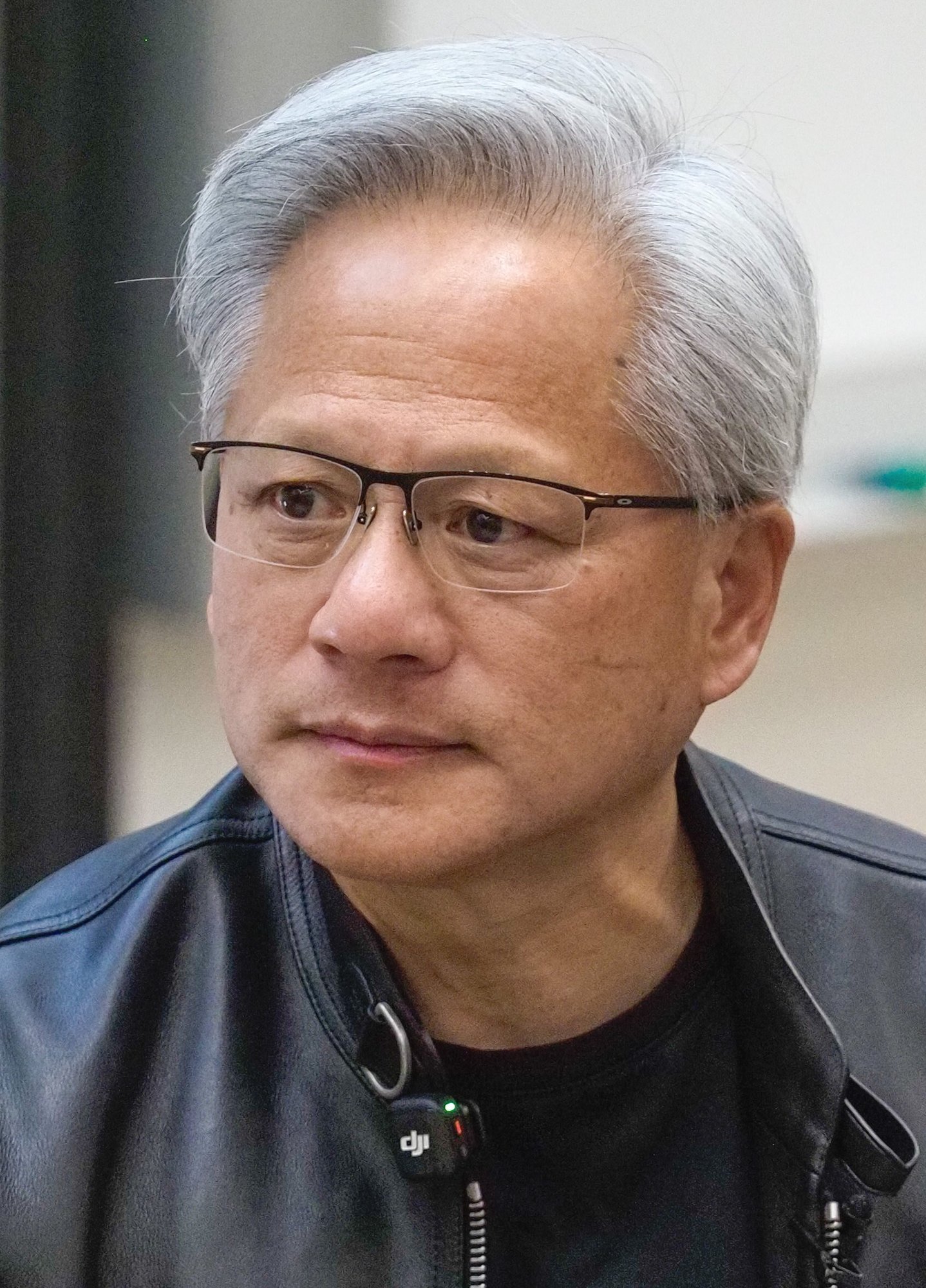
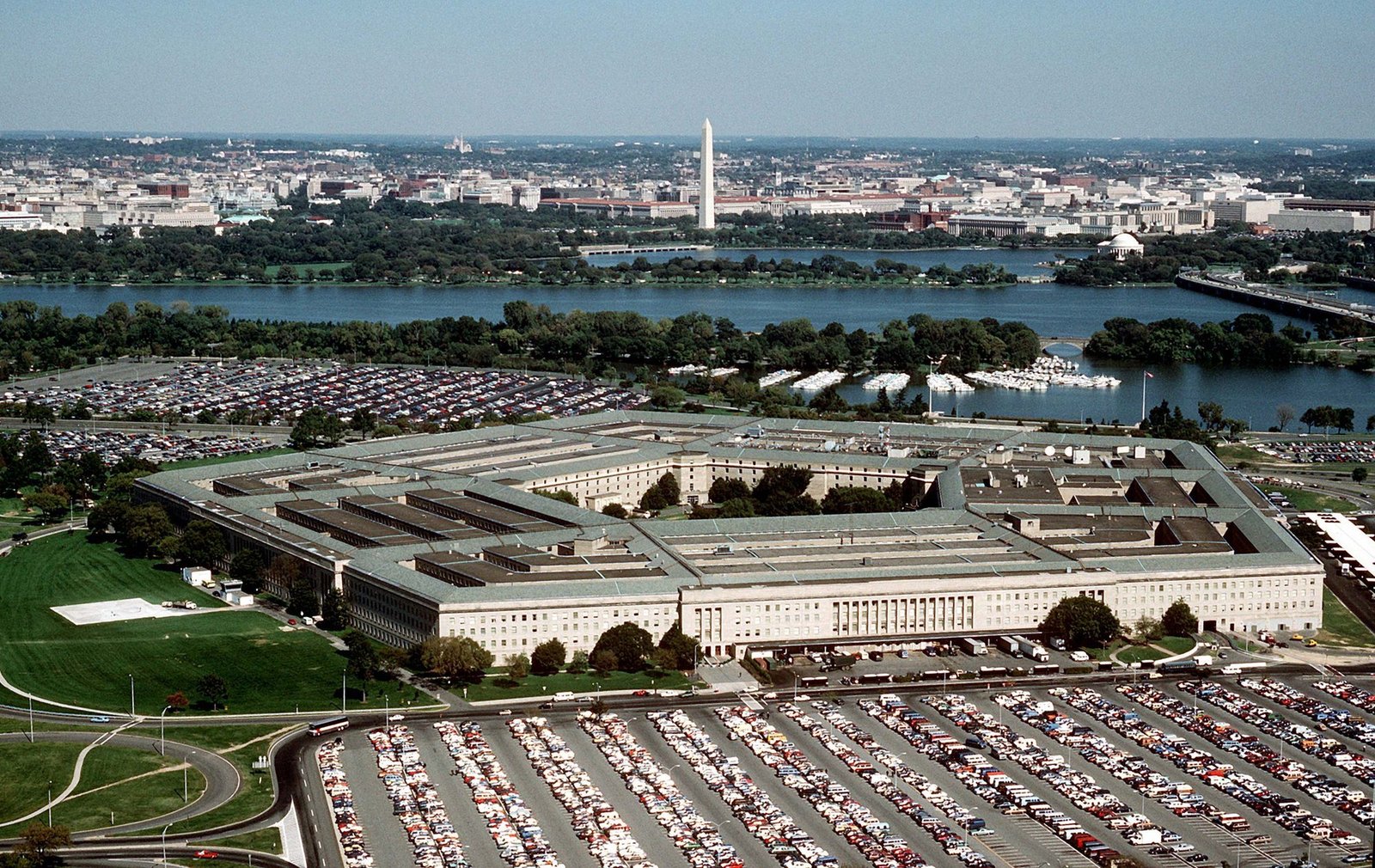
Senior Pentagon leaders discussed invoking the Defense Production Act — a Cold War-era wartime law — to pressure Nvidia’s board into bringing back Jensen Huang as chief executive, according to a Washington Post report. The Pentagon says the conversations never happened.
By The BNN Media
The Best News Network
News Beyond the Borders
Washington, United States — The Pentagon weighed an extraordinary step during the crisis over Nvidia’s leadership, discussing whether a wartime law could be used as leverage to force the chipmaker’s board to reinstate Jensen Huang as chief executive, The Washington Post reported on Wednesday, 26 November.
The discussions involved Defense Secretary Pete Hegseth and his senior deputy, Steve Feinberg, according to three people familiar with the debate who spoke to the Post on condition of anonymity. The Pentagon has denied the report outright.
What the Pentagon Is Reported to Have Discussed
According to the Post, senior members of the Trump administration gathered over the weekend before Huang’s return to discuss the embattled company, and Pentagon leaders weighed an audacious idea: invoking the Defense Production Act to pressure Nvidia to restore Huang as chief executive.
The Defense Production Act, passed in 1950, gives the president broad authority to intervene in the economy and direct private industry in the interests of national defence. It has historically been used to mobilise companies to supply the military in wartime or during national emergencies.
The report does not say the law was ever actually invoked against Nvidia. It says the idea was discussed as a form of leverage — and it is not clear whether it was ever put to the company at all.
The claim, in short, is that the Pentagon considered turning a wartime industrial law on the boardroom of a publicly traded company.
How the Law Was Supposed to Work as Leverage
The law itself offers no clear path to installing a chief executive. Nobody in the Pentagon could simply order Nvidia’s board to reappoint Huang, and the Post’s account acknowledges that awkward fact.
Instead, the thinking described by the Post’s sources was cruder. The act could be used to harm Nvidia’s profits — by forcing the company to shift more of its production to military projects, at the expense of its far more lucrative commercial business. “Essentially they could use the DPA to force Nvidia to shift more of its production to military projects,” one of the Post’s sources said.
The idea reportedly did not originate inside the Pentagon. According to the Post, it circulated first among technology business leaders in Silicon Valley, and then filtered its way up to the Pentagon and the White House.
- The law: the Defense Production Act of 1950, which lets the president direct private industry for national defence
- The leverage: forcing Nvidia to prioritise military production over commercial orders
- The target: Nvidia’s board, which had accepted Huang’s resignation on 12 November
- The outcome: Huang was reinstated on Monday, 23 November — without the act being invoked
The plan, as described, was never about the law’s letter. It was about the threat it carried.
The Pentagon’s Denial
The Pentagon has pushed back firmly. A Department of Defense official told the Post and other outlets: “The conversations described between DOW senior leaders never happened and no such proposal was made by the Secretary, Deputy Secretary, or Under Secretary.”
“DOW” is the administration’s preferred name for the Department of Defense — the Department of War. The denial covers Hegseth, Feinberg and Emil Michael, the undersecretary of defence for research and engineering.
The White House, when asked about the strategy, referred questions to the Pentagon.
It is also not clear, the Post reported, whether the idea of using the act ever reached President Donald Trump or Vice President JD Vance, or whether it was ever presented to Nvidia. A person familiar with the board’s thinking told the Post that the board did not read the government’s emphasis on national security as a threat.
Two accounts now stand in direct conflict: three anonymous sources say the idea was discussed; the Pentagon says it was not.
The Weekend That Brought Huang Back
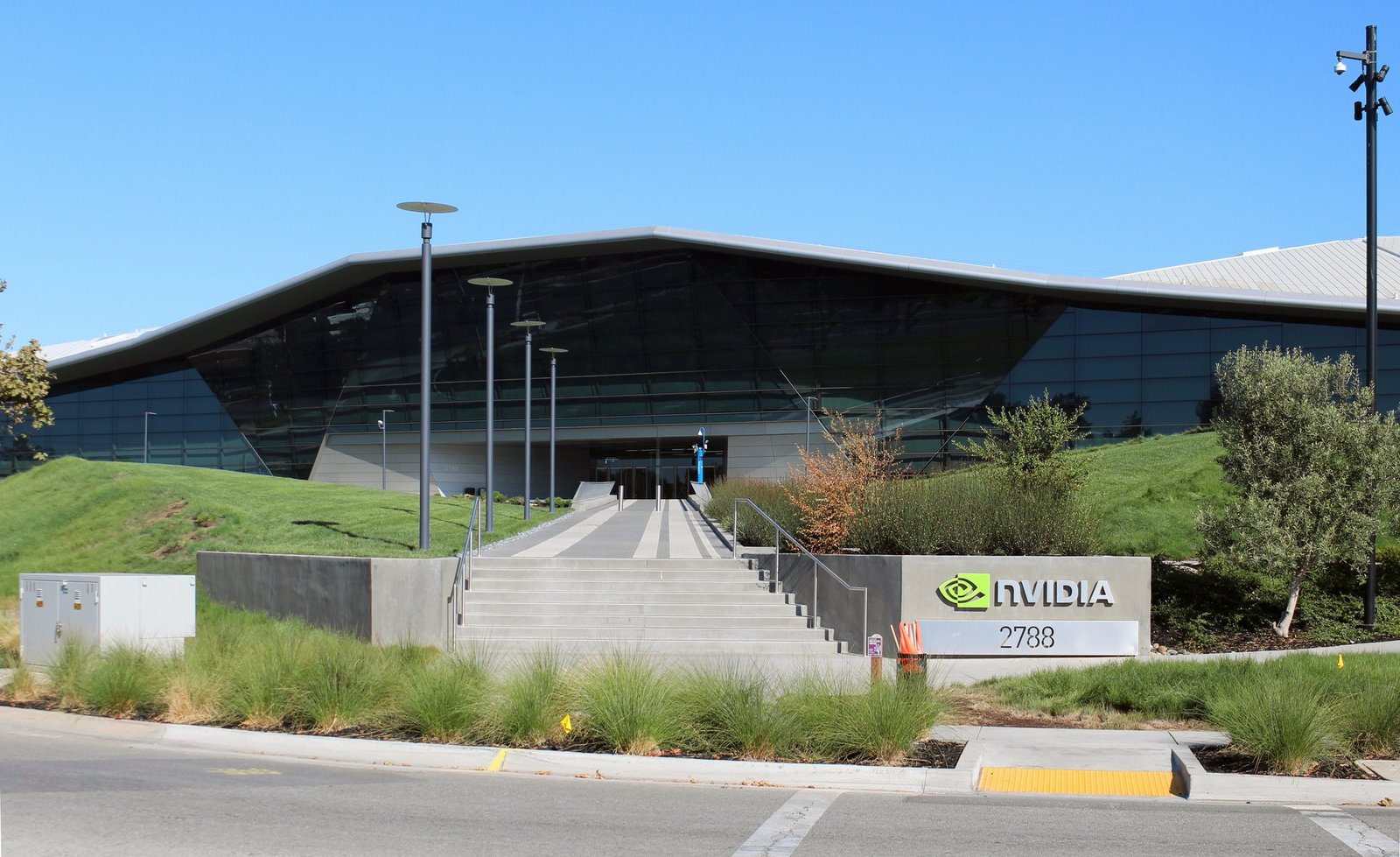
Whatever the truth about the wartime law, there is no dispute that the administration mounted an intense campaign to bring Huang back. Trump personally lobbied Nvidia’s board, and on 16 November he told CNBC that he had convinced the directors to restore him.
Trump also asked Vice President JD Vance to help broker Huang’s return, as part of what was described as a weekend “full-court press” by cabinet officials. On Monday, 23 November, Nvidia’s board unanimously reinstated Huang as chief executive, saying it had received “input from senior levels of the United States government” and was confident his return “poses no national security risk”.
Trump said on CNBC that the board had asked the administration during that period whether Huang posed a “national security problem”. He said he told them: “No. It’s not, uh, it’s not a problem” — after multiple days of research.
Huang had resigned on 12 November, less than two weeks earlier, after reports of extramarital affairs came to light, including one with a woman US intelligence believed to be a Chinese spy — an allegation that has never been proven. The board had opened a probe into Huang days before his resignation.
Why the Military Cared So Much
The Post’s account reflects how seriously the Pentagon views the race with China over artificial intelligence. Under Hegseth, the department has made AI a pillar of military strategy, with an early-year memo calling for an “AI-first warfighting force”.
Nvidia makes roughly 80 percent of the world’s AI accelerator chips, and its hardware sits at the centre of both the commercial AI boom and the military’s plans. From the Pentagon’s perspective, as described in the report, losing the company’s founder and chief executive at the height of that race was a national security problem in itself.
The turmoil also weighed on the markets. Nvidia lost more than $2.5 trillion in market value during the crisis, according to reports, before shares jumped about 31 percent on the day of Huang’s return. By Wednesday, 25 November, the shares had fallen back 3.91 percent to $149.30 as the rally eased.
For the Pentagon, Huang was not just a chief executive. He was, in its view, a strategic asset.
The Questions That Remain
The reinstatement has not ended the scrutiny — it has intensified it. Three House committees — Foreign Affairs, the Select Committee on the Chinese Communist Party and Intelligence — said in a joint statement that “the NVIDIA board’s brief internal investigation and reinstatement of Jensen Huang do not erase the national security threats and questions that must be addressed.”
Huang is scheduled for a closed-door transcribed interview with those committees on 1 December. He is also due before the Senate Banking Committee on 3 December, with Commerce Secretary Howard Lutnick set to appear before the same committee on 10 December.
Other questions swirl around the president’s own interests. CBS News has reported that Trump held between $13 million and $58 million in Nvidia stock as of late 2025, while pushing for Huang’s reinstatement. The White House has said Trump’s portfolio is independently managed and that neither he nor his family directs investment decisions.
And on 24 November, Trump told the New York Post he had thought about the US government owning part of Nvidia, adding: “I didn’t bring it up at this point. It’s probably not too late.”
The hearings in December are likely to ask the question the Post’s report raises most sharply: how far did the government go, and who knew?
What It Means for Corporate America
Whether or not the Defense Production Act was ever seriously on the table, the report lands at a moment when the line between government and the boardroom is already under strain. A president personally lobbied a board to reinstate a chief executive; the board complied unanimously; and the company’s shares soared.
The Defense Production Act has been dusted off before in recent years — Trump invoked it in 2020 to compel General Motors to make medical supplies during Covid-19, and President Joe Biden used it for Covid supplies, clean energy and baby formula. But using it, or even discussing using it, to settle a question of corporate leadership would be something else entirely.
For now, the episode remains a reported discussion, denied by those said to have held it, with no document and no named witness. What is not in dispute is that Huang is back, the board is intact, and Congress wants answers.
The wartime law was never used. The question now is whether it was ever really considered — and if so, by whom.
By The BNN Media
The Best News Network
News Beyond the Borders