By
South Korea scrambled fighter jets on Tuesday morning after several Russian military aircraft entered its air defence identification zone off the east coast, prompting a shelter warning for residents of Ulleung Island that was lifted within minutes after the planes withdrew.
By Umar Farooq
Journalist (UAE) | The BNN Media – The Best News Network
News Beyond the Borders
Seoul, South Korea — Several Russian military aircraft entered the Korea Air Defence Identification Zone (KADIZ) over the East Sea on Tuesday morning, 24 November, and flew close to the airspace above Ulleung Island, South Korea’s Joint Chiefs of Staff said. Fighter jets were scrambled in response, and a civil defence warning telling islanders to take shelter was issued at 7:52 a.m. and lifted within minutes.
Morning Alarm on Ulleung Island
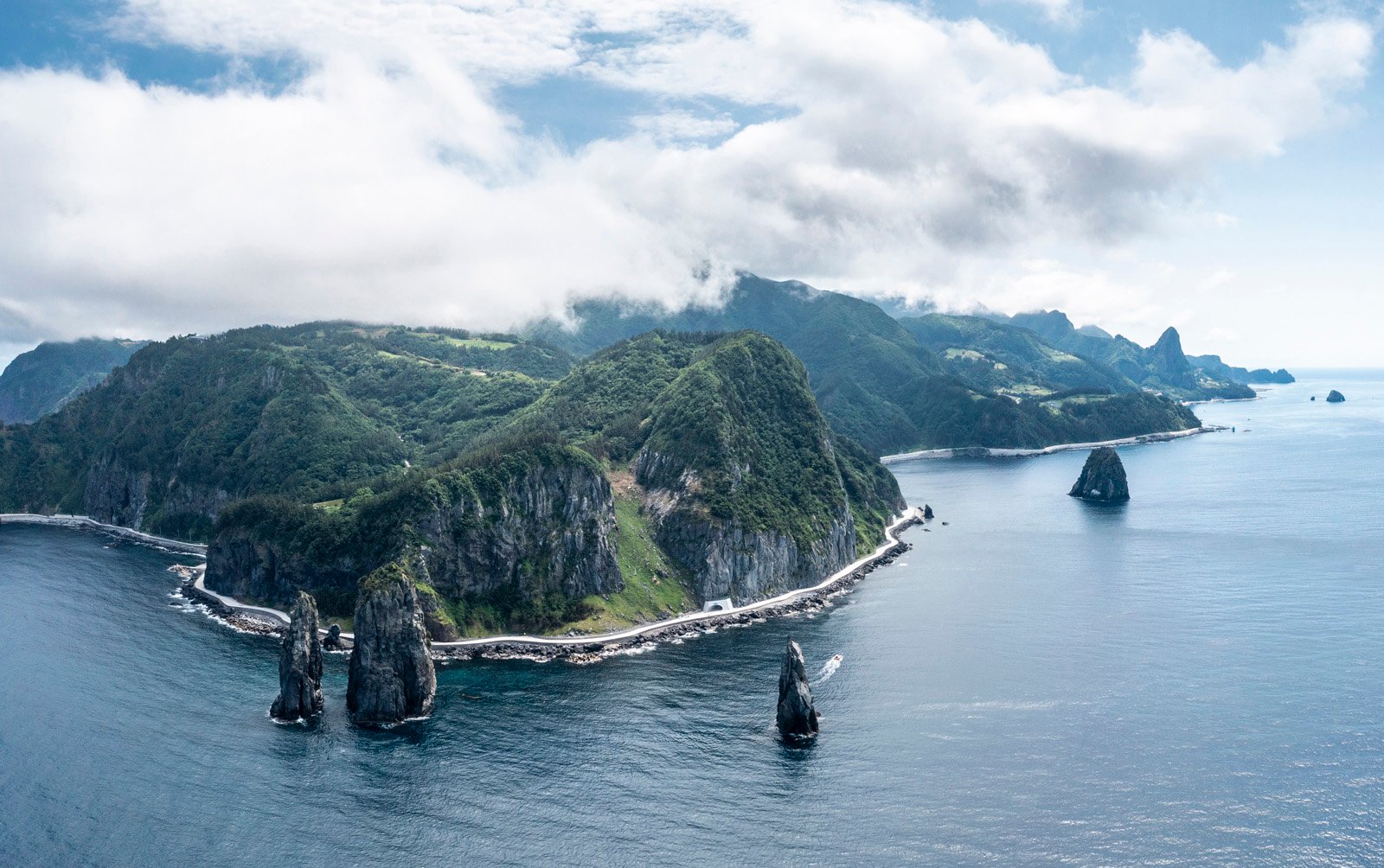
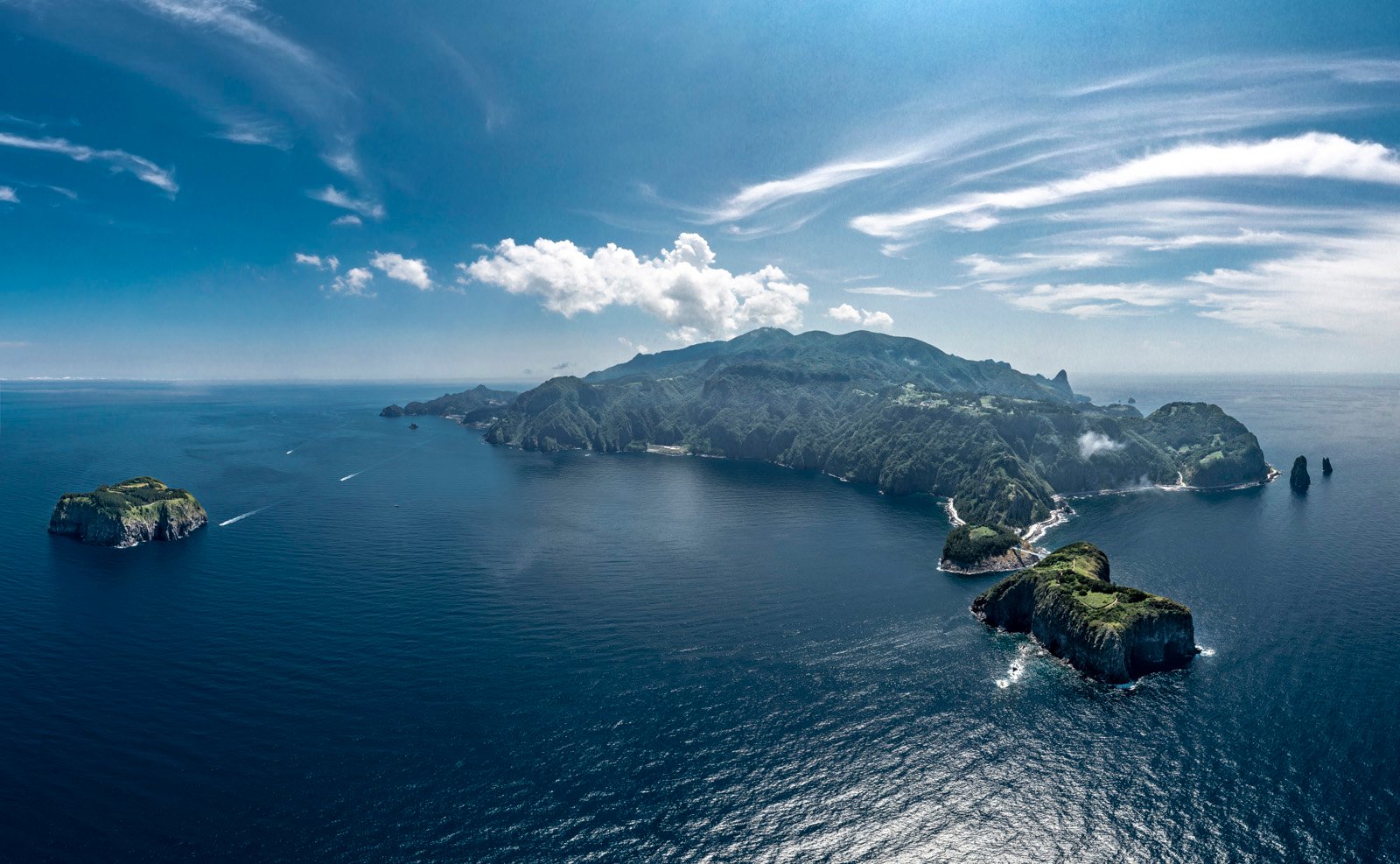
For the roughly 9,000 people who live on Ulleung Island, a remote volcanic island in the East Sea off South Korea’s east coast, Tuesday began with an emergency alert on their phones. At around 7:52 a.m. local time, the Ministry of the Interior and Safety issued a warning instructing residents to take shelter in underground facilities or buildings, after Russian aircraft were detected approaching the island.
The warning was lifted within minutes — three minutes later, according to the safety ministry — once the aircraft had left the danger area. There were no reports of accidents or major disruption on the island.
The military said it had been tracking the Russian aircraft before they entered the zone and had already put fighter jets in the air to prepare for contingencies. The aircraft departed eastward during South Korea’s military response.
Three minutes of alarm, and then the all-clear — but those three minutes said a great deal about how quickly a routine patrol can turn into a public scare.
What Actually Happened — and What Did Not
The most important fact about Tuesday’s incident is what did not happen: the Russian aircraft did not enter South Korean sovereign airspace. That was the clear statement of the Joint Chiefs of Staff, who corrected the first official messages of the morning.
An air defence identification zone is a buffer area extending beyond a country’s territorial airspace, in which foreign aircraft are expected to identify themselves so the military can track them. Entering such a zone is not the same as violating sovereign airspace — but when aircraft approach as close to the boundary as these did, the distinction is small comfort to the people living underneath.
Joint Chiefs spokesperson Jang Do-young said the Russian aircraft had entered the zone and flown close to the airspace of Ulleung Island, which prompted the military to coordinate with the government over the evacuation alert. “Airspace intrusion was anticipated, therefore in order to protect the safety of our people, we issued a warning preemptively,” Jang told a briefing. The military did not say how many Russian planes it detected or what types of aircraft they were.
The distinction matters. South Korean airspace extends roughly 22 kilometres from Ulleung Island’s territorial sea baseline, and the military did not disclose how close the Russian aircraft came to that line. What is known is that they came close enough for the military to warn the island — and then left without crossing it.
They entered the zone, they approached the line, and they stopped short of it. That is the whole incident — and the whole argument.
The Scramble
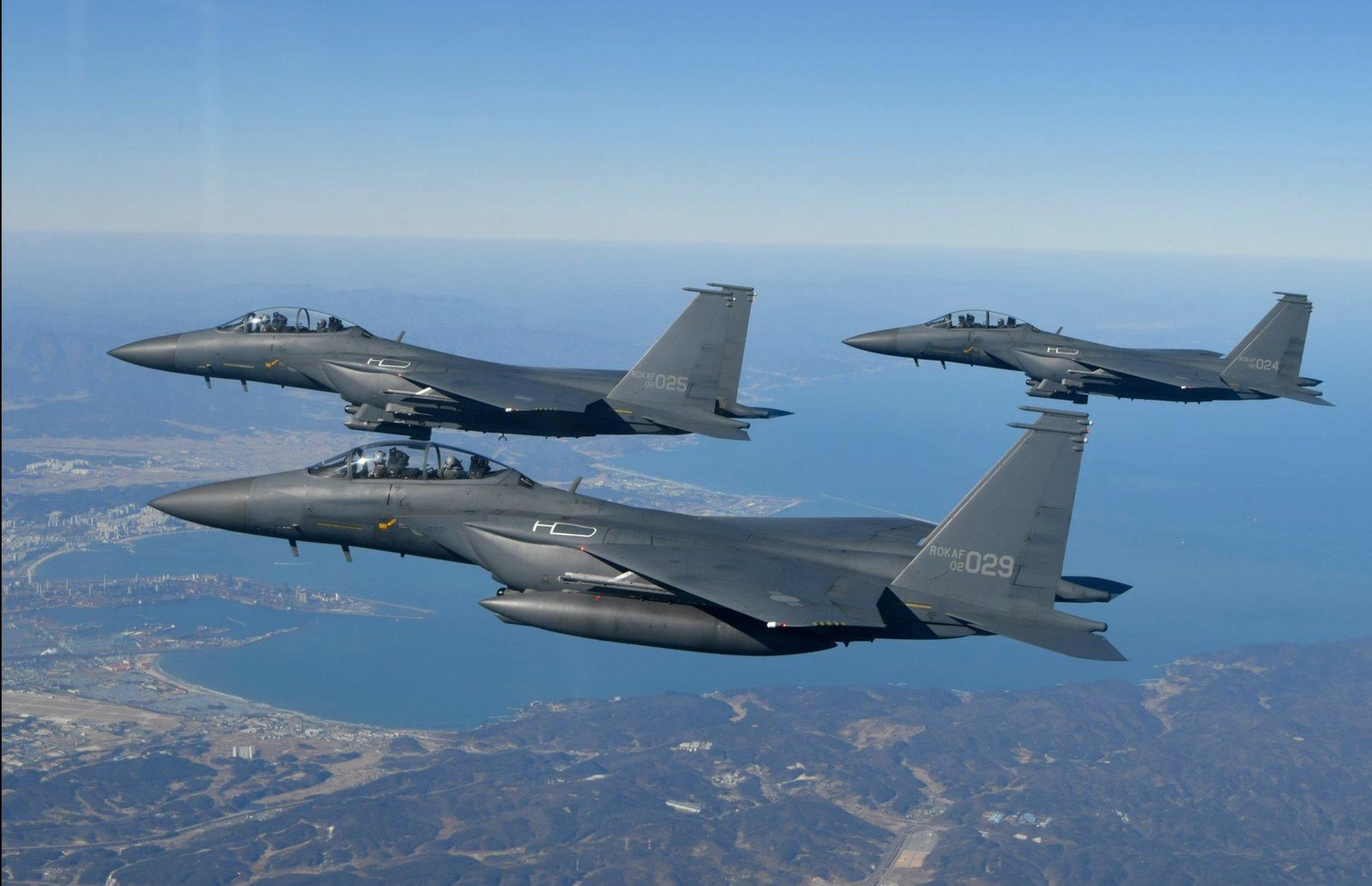
South Korea’s Air Force scrambled fighter jets as the Russian aircraft approached, and the Joint Chiefs said the jets conducted “tactical manoeuvres” to prevent any incident while the Russian planes were in the zone. The military had detected the aircraft before they entered KADIZ and deployed the jets to prepare for potential incidents.
It is the standard response, and it is one South Korea’s pilots have practised often. Russian aircraft have entered the country’s air defence zone several times this year, and as recently as a week earlier — on 17 November — several Russian military aircraft entered KADIZ over the East Sea, prompting South Korea to scramble jets in much the same way.
What made Tuesday different was not the flight itself but the warning that went out to civilians — a step the military takes only when it judges that an aircraft is on the verge of entering sovereign airspace.
Confusion in the First Messages
The first hour of the incident was marked by conflicting official messages, and the confusion itself became part of the story. The safety ministry’s initial emergency message said a Russian aircraft had violated South Korean airspace — a claim the Joint Chiefs later corrected. A separate message from the North Gyeongsang provincial government said the aircraft were suspected to be North Korean, which the Yonhap news agency reported was issued in error.
The Joint Chiefs subsequently clarified that the aircraft were Russian military planes, not North Korean, and that no violation of South Korean airspace had occurred. The sequence — a violation claimed, a different country named, then both corrected — explains why islanders received a shelter warning for an incident that, in the end, involved no intrusion at all.
For residents, the distinction between a zone and airspace is academic when the alert tells them to take cover. For the government, the confusion is a problem of its own: in a crisis, the first message is the one people act on, and Tuesday’s first messages were wrong.
A Familiar Pattern
South Korea’s Defence Ministry said it would summon Russia’s military attaché later on Tuesday to “lodge a stern protest” over the incident. It is a well-worn diplomatic ritual: Russia does not recognise South Korea’s authority over KADIZ, arguing that the zone has no basis in international law, and its aircraft enter the zone without notice on a regular basis.
That refusal to recognise the zone is the root of the recurring tension. For Seoul, KADIZ is a legitimate early-warning buffer, and unannounced entries are a challenge to its security arrangements. For Moscow, the zone is a unilateral South Korean declaration with no standing under international law, and its aircraft are entitled to fly through international airspace without asking permission.
Neither side is likely to change its position. Tuesday’s incident follows the same script as the one a week earlier, and the one before that: Russian aircraft enter the zone, South Korean jets scramble, a protest is lodged, and both sides return to their positions. The difference this time was the civilian alert — a rare step that shows how close the aircraft came, and how seriously Seoul took the approach.
The planes leave, the protest is filed, and nothing changes — except that this time, 9,000 islanders were told to take shelter.
Why the Warning Matters
The warning itself is the story. A civil defence alert telling residents to take shelter in underground facilities is not issued lightly, and it was issued because the military judged the Russian aircraft to be on the verge of entering sovereign airspace over a populated island. That judgement, and the speed with which the alert was withdrawn, shows how thin the margin is between a routine interception and a genuine incident.
It also shows how quickly confusion spreads when the military, the safety ministry and a provincial government send different messages about the same aircraft. In a region where miscalculation carries real risks — with North Korea’s weapons programmes, Russia’s war in Ukraine and the US alliance all in play — clear communication matters as much as the jets in the air.
Tuesday ended without an intrusion, without damage and without injuries. But the pattern is now unmistakable: Russian aircraft are testing South Korea’s air defence zone with growing regularity, and each time they come, the response — the scramble, the alert, the protest — becomes a little more practised, and a little more routine. That routine is itself the risk.
The Key Facts
- Several Russian military aircraft entered the Korea Air Defence Identification Zone (KADIZ) over the East Sea on Tuesday morning, 24 November, approaching close to the airspace above Ulleung Island.
- South Korea scrambled Air Force fighter jets, which conducted tactical manoeuvres; the Russian aircraft departed eastward during the response.
- A shelter warning for Ulleung Island residents was issued at 7:52 a.m. local time and lifted within minutes; no major disruption was reported on the island, home to about 9,000 people.
- No violation of South Korean sovereign airspace occurred, the Joint Chiefs of Staff confirmed — correcting earlier messages that had claimed an airspace violation and suspected North Korean aircraft.
- South Korea’s Defence Ministry said it would summon Russia’s military attaché later on Tuesday to lodge a stern protest.
- Russian aircraft also entered KADIZ a week earlier, on 17 November; Russia does not recognise South Korea’s authority over the zone.
- The military did not disclose how many aircraft were involved or their types.
No airspace was violated, no one was hurt, and the warning lasted minutes — but the jets, the alert and the protest all show how close a routine patrol can come to a real crisis.
Reporting based on Reuters, 24 November 2026; Associated Press, 24 November 2026; and Aju Press, 24 November 2026.
By Umar Farooq
Journalist (UAE) | The BNN Media – The Best News Network
News Beyond the Borders