By
A federal judge in Washington has barred the administration from enforcing President Donald Trump’s August order limiting birthright citizenship, ruling that the Supreme Court has already settled the question — twice.
By Shoaib Khan
Chief Journalist | The BNN Media – The Best News Network
News Beyond the Borders
Washington, United States — A second federal judge on Wednesday 25 November blocked enforcement of President Donald Trump’s executive order limiting who is eligible for birthright citizenship, dealing a fresh blow to a flagship piece of the administration’s hardline immigration crackdown. The administration will now have to overturn two court orders before it can ever enforce the policy.
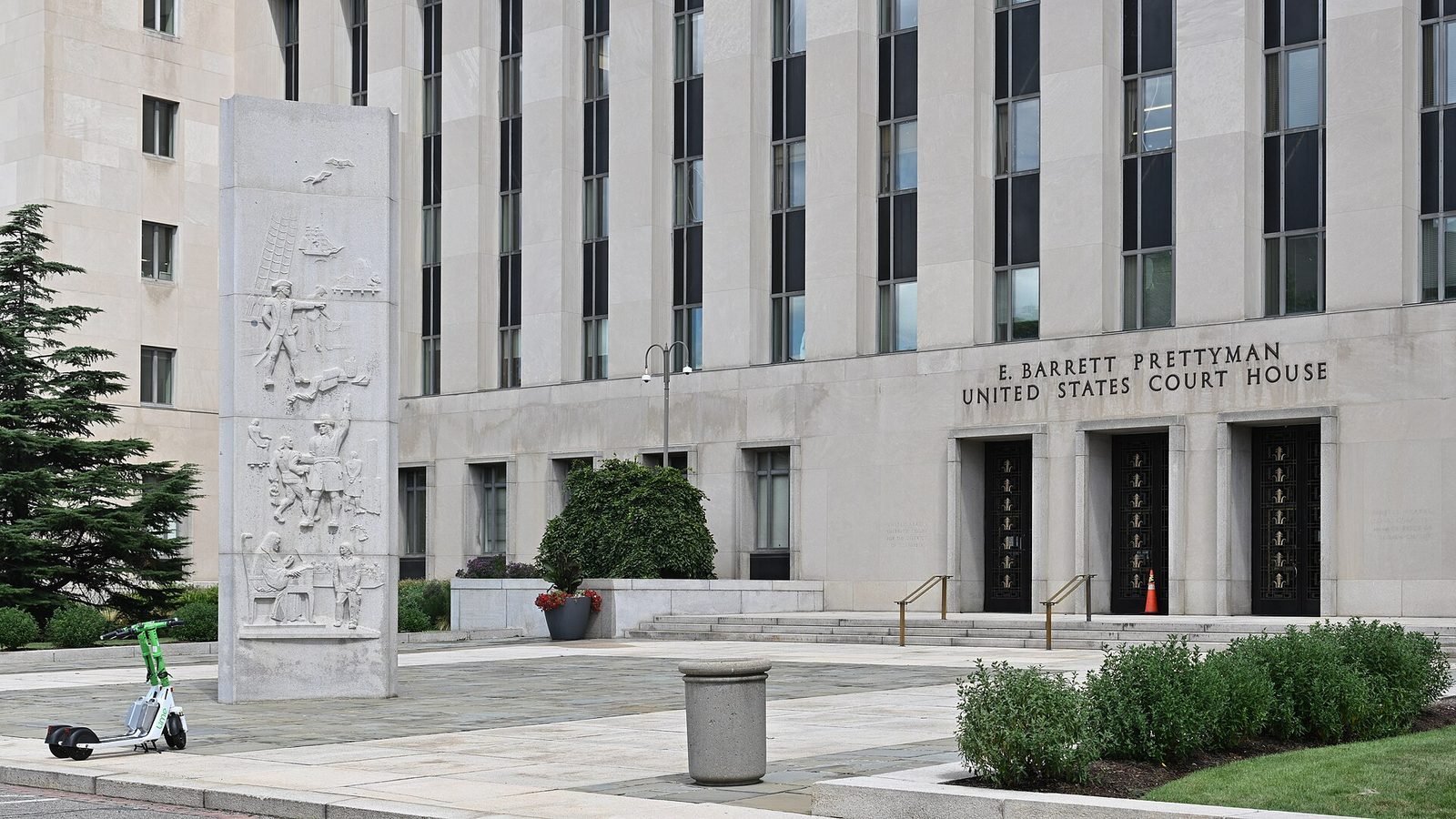
The ruling in Washington
US District Judge Christopher Cooper in Washington, DC, issued a preliminary injunction in a class-action lawsuit filed on behalf of children who would be denied citizenship under the August executive order. The injunction bars the US Department of State, the US Department of Homeland Security and the Social Security Administration from enforcing Trump’s order against any children covered by the class action.
“The merits in this case are clear-cut,” Cooper said. “The Supreme Court has twice confirmed that all children born in this country are US citizens, save only for the small handful who are not subject to US law.”
Another federal judge in Maryland in September also blocked Trump’s order, and the administration will now need to overturn both decisions in order to ever enforce it.
Two judges, two injunctions — and the same answer from both.
What the order tried to do
Trump signed the order at issue in August, after the Supreme Court in June rejected his first effort from 2025 to end birthright citizenship for children whose parents were not American citizens or legal permanent residents, known as green card holders.
The new order took aim at so-called “birth tourism”, in which women travel to the United States to give birth so their children can obtain automatic citizenship. It also targeted children whose parents work for foreign governments or international organisations but lack diplomatic immunity, and children who have a parent classified as an “alien enemy”.
But Cooper said the Supreme Court had already made clear that “the President cannot carve out new exceptions to birthright citizenship for children born within the United States and subject to its laws.”
The order’s targets were new — the constitutional answer was not.
A right settled in 1898 — and again in June
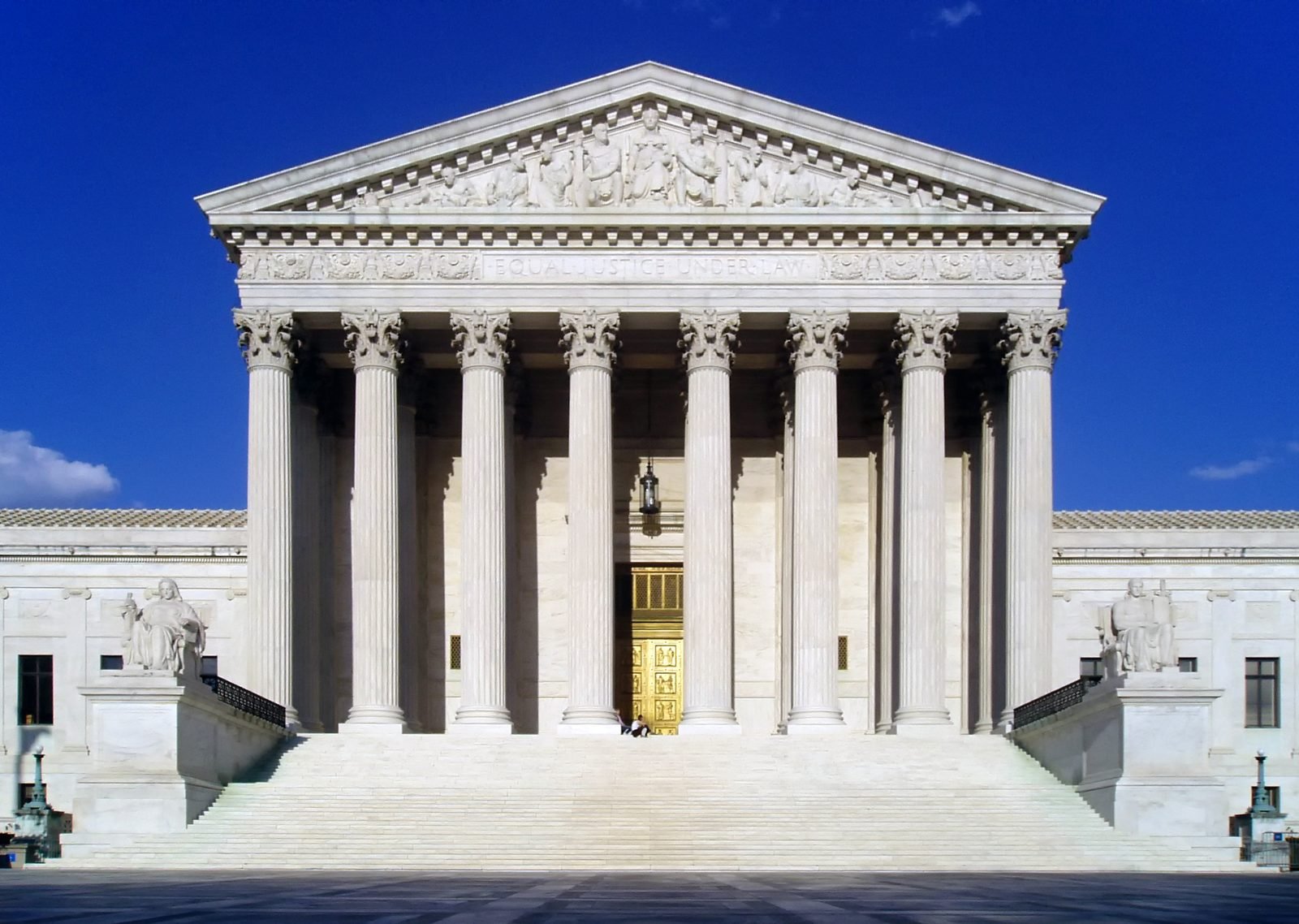
The judge’s reasoning rests on two Supreme Court decisions, more than a century apart. In June, the Supreme Court concluded that Trump’s initial order violated the citizenship clause of the 14th Amendment, which confers citizenship on those born in the United States who are “subject to the jurisdiction thereof.”
The June ruling embraced the court’s earlier 1898 decision in United States v. Wong Kim Ark, in which it interpreted the 14th Amendment as recognising the right to birthright citizenship regardless of the immigration status of a baby’s parents.
Cody Wofsy, a lawyer at the American Civil Liberties Union who represented the plaintiffs, said in a statement that Trump “needs to accept that birthright citizenship is the law of the land.”
“Enough is enough,” he said. “The Supreme Court has twice rejected efforts to gut birthright citizenship, in 1898 and again earlier this year. Third time is not the charm.”
The White House fights back
The White House condemned the ruling. Spokeswoman Lauren Bis called the decision “just another ruling from an activist judge appointed by (former President Barack) Obama attempting to thwart President Trump’s commonsense agenda.” She said Trump’s order was “consistent with the holdings and analysis set forth by the Supreme Court.”
The administration has not said whether it will appeal Judge Cooper’s injunction, but the legal path is now steep: to enforce the order, it must overturn both the Washington and the Maryland injunctions, and then persuade higher courts that the Supreme Court’s June ruling leaves room for the new exceptions — a reading Judge Cooper has already rejected.
The White House calls the judges activists; the judges point to the Constitution — and to the Supreme Court’s own words.
Why this fight matters
Birthright citizenship has been a cornerstone of American law for more than 150 years, since the 14th Amendment was adopted in 1868. For the children at the centre of this case — babies born in the United States who would be denied citizenship, passports and Social Security numbers under the order — the stakes are immediate and personal.
The class action covers children who would lose citizenship under the order, and the injunction protects them while the case is decided. Without it, families would have faced the prospect of children born in American hospitals being treated as foreigners in the only country they have ever known.
The case also tests the limits of executive power. The Supreme Court’s June ruling was a direct rebuke of the first order; the August order was the administration’s attempt to find a narrower path around it. Judge Cooper’s ruling says there is no such path — at least not one a president can create by executive order alone.
What happens next
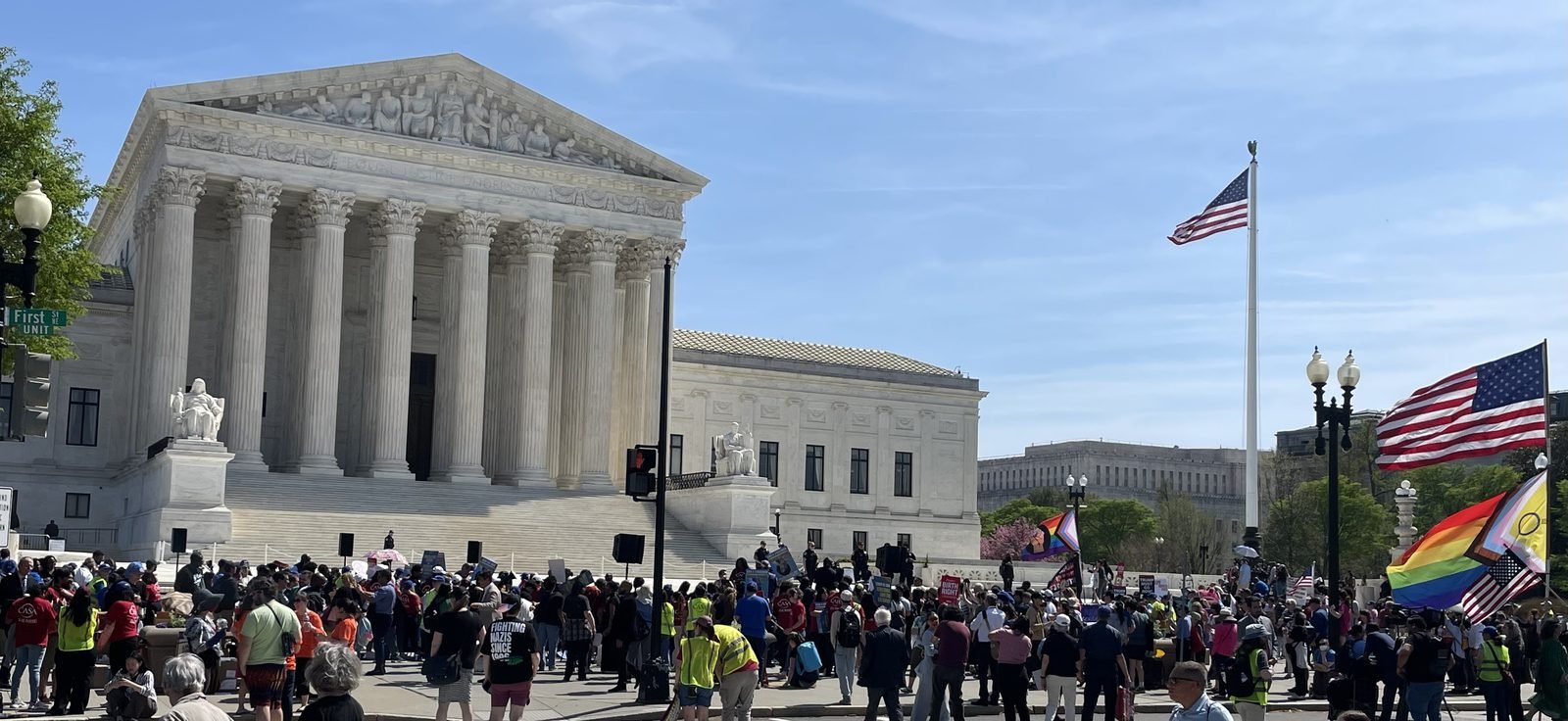
The administration is expected to appeal, and the case could return to the Supreme Court — the same court that has now twice ruled against efforts to restrict birthright citizenship. Until the appeals are decided, the order cannot be enforced against the children in the class action, and the Maryland injunction remains in force alongside it.
For now, the law of the land stands as the Supreme Court stated it in June: children born in the United States, subject to its jurisdiction, are American citizens. A president may disagree with that reading, but as Judge Cooper made clear, he cannot rewrite it by executive order.
The courts have spoken twice on this question — and on Wednesday, they spoke a third time.
By Shoaib Khan
Chief Journalist | The BNN Media – The Best News Network
News Beyond the Borders
Source: Reuters (Nate Raymond, 25 November 2026).