By
Hunger is set to worsen significantly in 16 places around the world over the next six months, two United Nations agencies warned on Friday, with conflict still the main driver — and a strengthening El Niño now pushing new regions onto the danger list.
By Ihsan Ur Rehman
Editor-in-Chief | The BNN Media – The Best News Network
News Beyond the Borders
Rome, Italy — Acute food insecurity is projected to worsen significantly in 16 hunger hotspots between December 2026 and May 2027, the Food and Agriculture Organization of the United Nations (FAO) and the United Nations World Food Programme (WFP) warned on Friday, 27 November, in their latest Hunger Hotspots report.
The Warning in Numbers
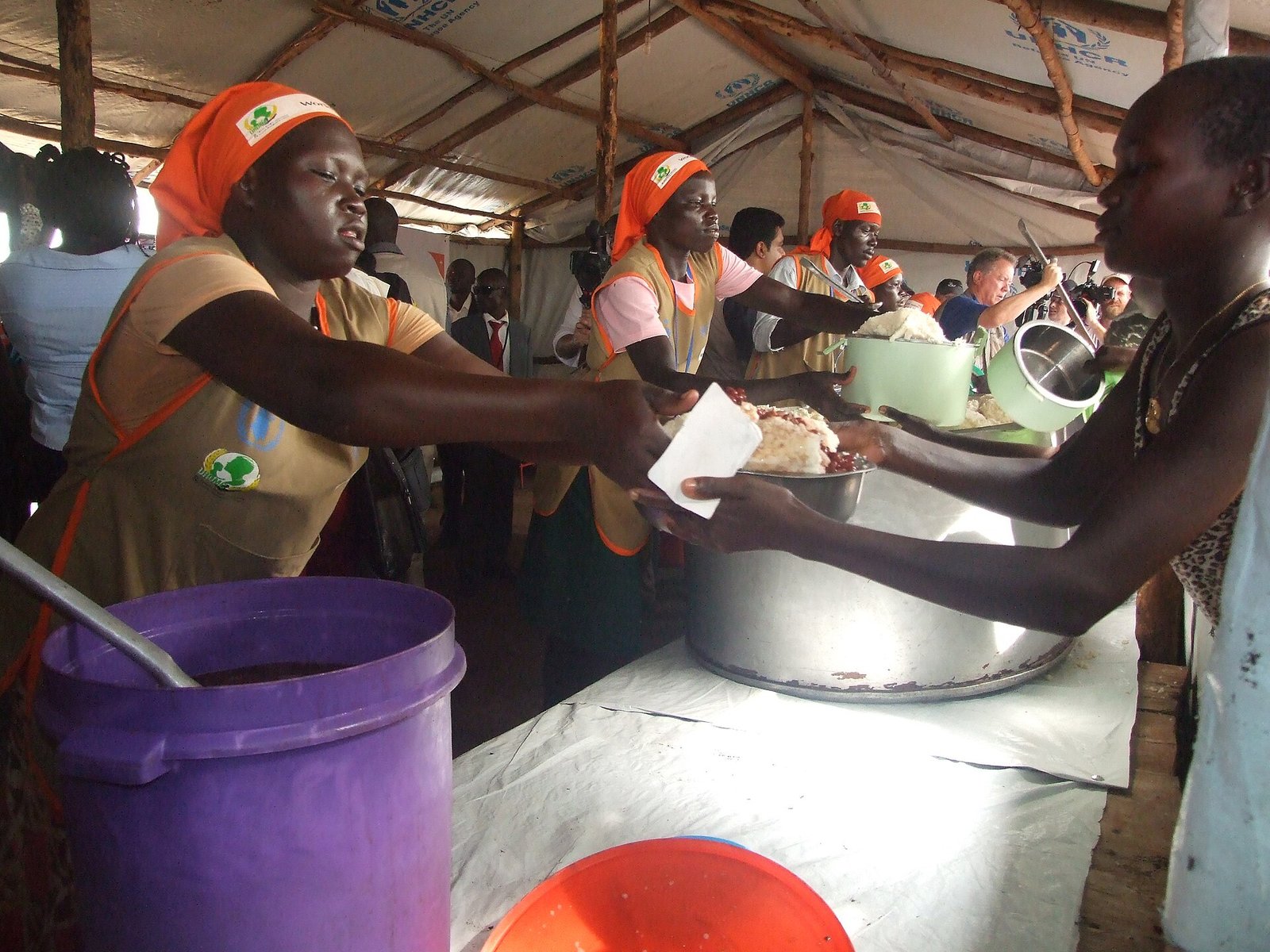
The twice-yearly report, produced through the Global Network Against Food Crises, lists 16 hotspots, up from 13 in the June edition. Five of them — Sudan, South Sudan, Somalia, parts of Nigeria and Yemen — are classed as being of the highest concern, the gravest category in the report.
Four more are listed as being of very high concern: Afghanistan, the Democratic Republic of the Congo, Haiti and Palestine. The remaining hotspots are Chad, the Central American Dry Corridor, Madagascar, Mali, Myanmar, Southern Africa and north-eastern Uganda.
Four places are new to the list. Southern Africa, the Central American Dry Corridor and north-eastern Uganda were added largely because of El Niño, while Chad was added because of the spillover from the conflict in neighbouring Sudan. Lebanon is no longer listed as a hotspot.
The list has grown, not shrunk — and the agencies say the worst outcomes are still avoidable if help arrives in time.
Sudan and South Sudan: A Risk of Famine, Not a Famine Declared
The gravest warning in the report concerns Sudan and South Sudan, where the agencies have identified a risk of famine — a projection, not a declaration that famine has already arrived.
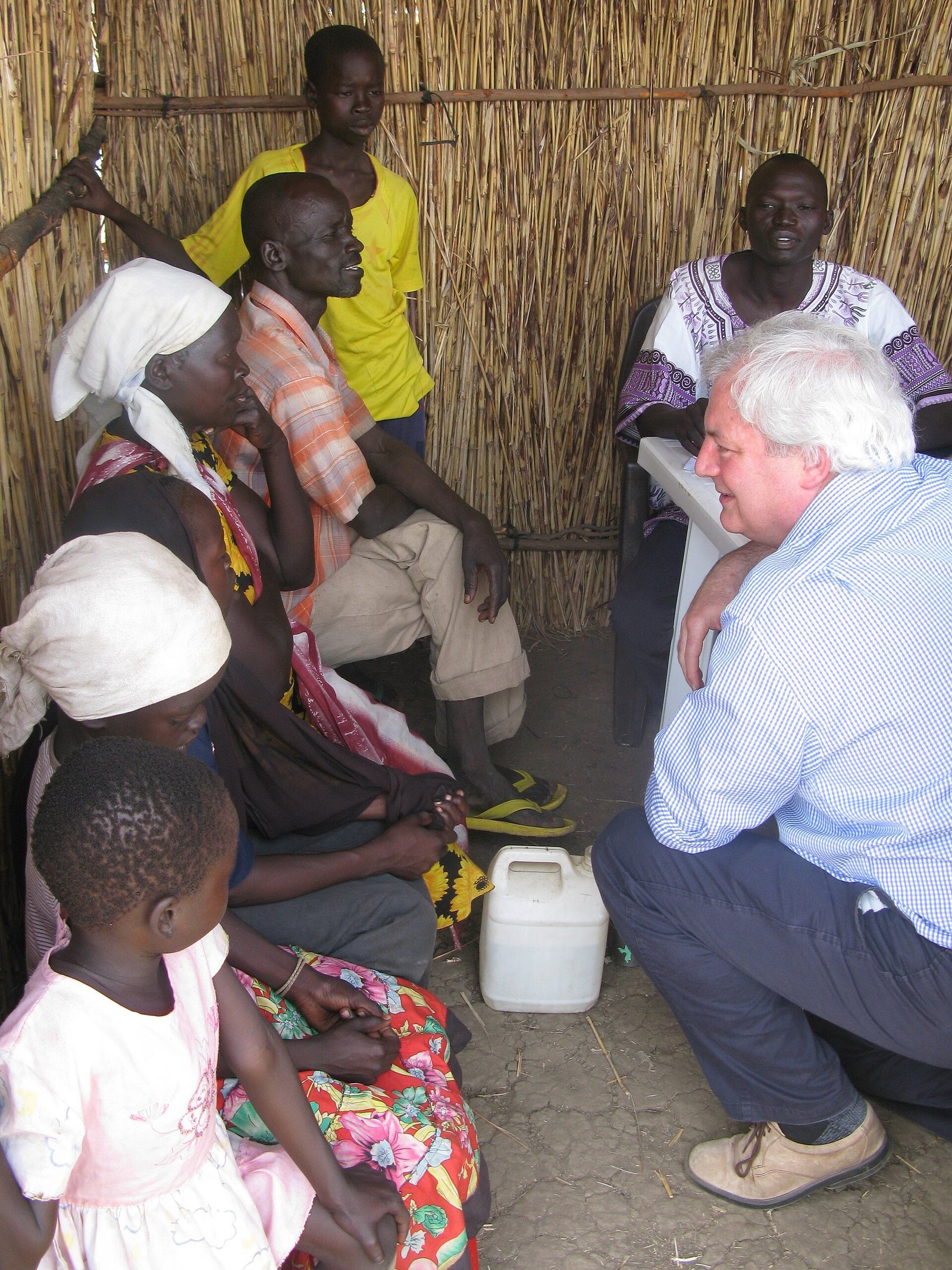
In Sudan, under a reasonable worst-case scenario, there is a risk of famine in 13 areas of North Darfur and South Kordofan through January 2027. In two camps for displaced people in South Darfur, acute malnutrition levels have already passed famine thresholds. In South Sudan, the latest available analysis pointed to a risk of famine in four counties of Upper Nile and Jonglei states under a worst-case scenario.
In four of the five hotspots of highest concern, the latest analyses identified or projected people facing Catastrophe — IPC Phase 5, the most severe level of the Integrated Food Security Phase Classification, marked by starvation and death.
Somalia offers a small measure of relief: no population there is currently projected to face Catastrophe, and the risk of famine has receded — but acute food insecurity remains at Emergency levels among displaced people in Baidoa.
El Niño: The New Driver
El Niño is the force behind three of the four newly identified hotspots. The weather pattern is gaining strength and, the agencies said, could prove one of the most intense on record.
In Southern Africa, drier and hotter conditions threaten planting, farm work and future harvests. Up to 3 million people in Zimbabwe, 2.6 million in Malawi and 1.8 million in Mozambique are projected to face high levels of acute food insecurity in the months ahead, through to March 2027.
In the Central American Dry Corridor, the 2026 Primera season — the first crop season — was the driest in four decades, and crop losses topped 75 percent in many areas. As food stocks run out, the 2027 lean season could start early. In Guatemala alone, 3.2 million people are projected to face high levels of acute food insecurity between October 2026 and February 2027.
El Niño brings drought and water shortages to some areas and flooding to others, and the agencies warned it would compound food insecurity across several hotspots at once.
- Southern Africa: Eswatini, Malawi, Mozambique, Zambia and Zimbabwe — drought threatens harvests.
- Central American Dry Corridor: driest first crop season in 40 years; losses above 75 percent in many areas.
- North-eastern Uganda: newly listed, with El Niño a major driver.
- Eastern Africa: destructive flooding is also possible as the pattern strengthens.
El Niño is not the main cause of the world’s hunger — but it is the new force making a bad situation worse.
Conflict Still the Main Driver
For all the attention on the weather, the report is clear that conflict and armed violence remain the primary drivers of worsening hunger in 12 of the 16 hotspots, including all five of the highest concern.
“El Niño is intensifying, threatening crops and harvests in already vulnerable regions and increasing the risk of acute food insecurity,” said FAO Director-General QU Dongyu. “Yet the worst outcomes are not inevitable. Life-saving agricultural assistance to boost food production of highly vulnerable families is an essential part of the multi-sectoral response.”
WFP Executive Director Luke J. Lindberg was blunter about what is needed. “I’ve called upon all nations to banish famine to the history books,” he said. “This report tells us where famine could strike next, so the timing to follow through on our commitment is now. It will take a united effort to end conflicts, fully resource our WFP field teams, and ensure they have safe access to reach vulnerable communities. This is not a problem of operational ability, it is a question of whether world leaders have the political courage to act decisively.”
Funding Falls as Needs Rise
The report carries a stark warning about money. All five hotspots of highest concern have repeatedly been at that level since 2022 — yet funding for humanitarian assistance for food security and nutrition in those places fell by 62 percent, from USD 5.1 billion in 2022 to USD 2.0 billion in 2025.
The agencies say shrinking humanitarian funding is already undermining efforts to avert catastrophe, even as soaring food, energy and transport costs further erode people’s ability to feed themselves.
In Palestine, the report notes that food security in the Gaza Strip has started to improve after the October 2025 ceasefire — but the gains are fragile, and acute food insecurity in the West Bank is expected to worsen.
What the Agencies Are Asking For
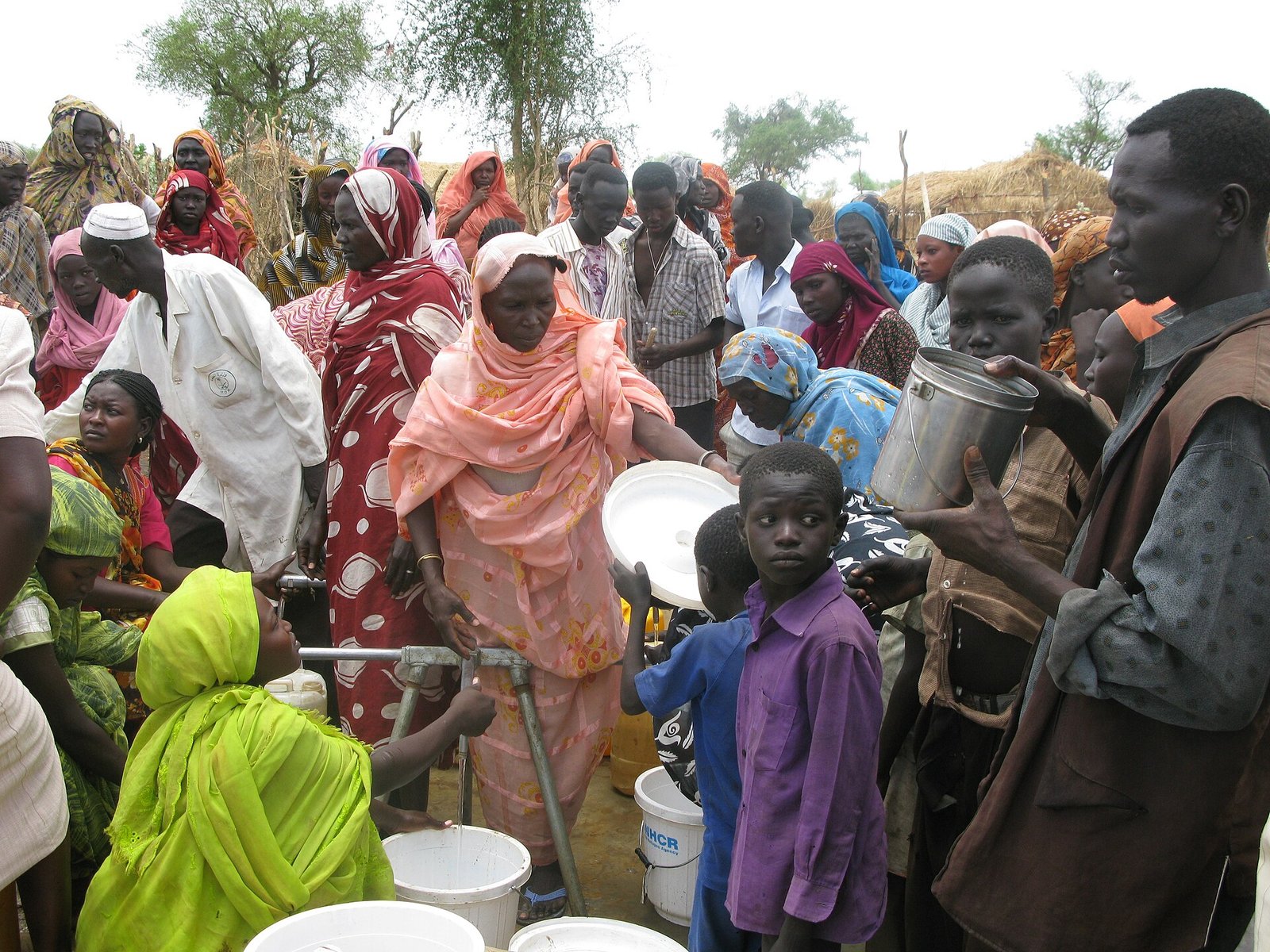
FAO and WFP are calling for urgent humanitarian action across all 16 hotspots, above all where a risk of famine has been identified, and for safe, unimpeded access to the people in need.
Acting before El Niño’s worst effects arrive can still prevent damage to harvests, livestock and incomes. The joint FAO–WFP El Niño anticipatory action plan aims to protect 9 million people in 22 countries before the worst of the pattern takes hold.
The report itself is produced with financial support from the European Union through the Global Network Against Food Crises, and is based on forward-looking analysis by FAO and WFP field and technical teams alongside specialists in conflict, economic risks and natural hazards.
Sixteen hotspots, five at the highest concern, and a famine risk that is still only a risk — the report’s message is that there is still time to act, but that time is now measured in weeks, not years.
By Ihsan Ur Rehman
Editor-in-Chief | The BNN Media – The Best News Network
News Beyond the Borders
Sources: World Food Programme / FAO press release (Rome, 27 Nov 2026); UN News (28 Nov 2026); Reuters via Daily Fox News (27 Nov 2026); UNifeed / FAO (27 Nov 2026).