By
Pakistan, Saudi Arabia and Türkiye open two days of talks in Islamabad on Thursday to turn their Makkah defence pact from a signed promise into working military cooperation, in the first meeting of the alliance’s top committee since the treaty became fully binding.
By Salar Khan
Reporter | The BNN Media – The Best News Network
News Beyond the Borders
Islamabad, Pakistan — Pakistan hosts the third meeting of the Strategic Political and Defence Committee of the Makkah Joint Defence Agreement on 26–27 November, bringing together the foreign and defence ministers and senior military chiefs of all three countries for the first session held since the pact entered full legal force on 14 November.

A Pact Signed in Makkah, Now Fully in Force
The Makkah Joint Defence Agreement was signed on 7 August 2026 in the holy city by Prime Minister Shehbaz Sharif, Saudi Crown Prince Mohammed bin Salman and Turkish President Recep Tayyip Erdogan. Its 16 articles commit each country to treat an armed attack on any one member as an attack on all three, and lock the members in for a minimum of 10 years before withdrawal is permitted.
The road to full force took three months. Pakistan ratified the pact on 23 October, and Türkiye’s Grand National Assembly approved it by 279 votes to 119 on 5 November. The treaty only became fully binding on 14 November, when Türkiye’s ratification law was published domestically — the final procedural step required under Turkish law.
For the first time, all three governments are now legally bound by the same collective defence commitment — and this Islamabad meeting is the first test of what that means in practice.
Who Is at the Table
Pakistan’s delegation will include Deputy Prime Minister and Foreign Minister Ishaq Dar, Defence Minister Khawaja Asif and Field Marshal Asim Munir, according to Pakistani media reports. Türkiye is expected to send Foreign Minister Hakan Fidan and Defence Minister Yaşar Güler with senior military leadership, while Saudi Arabia is expected to be represented by Foreign Minister Prince Faisal bin Farhan and its defence minister.
The committee is the pact’s key decision-making body, made up of the foreign ministers, defence ministers and senior military officials of each member state. It has met twice before — in Istanbul on 31 August and in Riyadh on 5 October — but both of those sessions took place before Türkiye’s ratification was complete.
From Declarations to Joint Planning
The meeting’s detailed agenda has not been made public, but the work before the committee is clear: to build the mechanisms that turn the political commitment into practical defence cooperation. Reports ahead of the talks point to three areas at the centre of the discussion:
- Military coordination — how the three armed forces plan and operate together
- Intelligence-sharing — the channels through which the members exchange assessments of regional threats
- Defence industry cooperation — joint work on equipment, production and technology
An emergency session in Riyadh earlier this month agreed to ensure the rapid deployment of military forces and capabilities in Saudi Arabia. The Islamabad meeting is expected to take stock of progress on those decisions and consider further steps.
The question hanging over the talks is whether the alliance can move from declarations to joint planning — and Islamabad is where that answer has to start taking shape.
A Region Still Under Strain
The talks open against a tense regional backdrop. The pact was first invoked on 5 October, and Houthi strikes on Saudi targets have continued since — including repeated hits on Riyadh’s PIF Tower, the tallest tower in the Saudi capital. The continuing attacks have raised pointed questions about what “collective deterrence” means when the strikes keep coming and neither Türkiye nor Pakistan has conducted offensive operations against the Houthis.
The meeting also comes with the possibility of renewed military strikes against Iran still looming, even as diplomatic efforts to find a way out of the confrontation continue. The three allies are expected to review the evolving regional security situation alongside the pact’s implementation.
Islamabad Braces for Three Days of Diplomacy
The capital is preparing for the high-level visitors. Heavy traffic will be banned in Islamabad and Rawalpindi from 6pm on Thursday until 12:30am on Saturday 28 November, the Faizabad Bus Terminal will stay closed, and Metro and electric bus services between 7th Avenue and Pak Secretariat will be suspended from 10pm on Thursday, according to the Associated Press of Pakistan. Trails 3 and 5 in the Margalla Hills will also be closed on Friday.
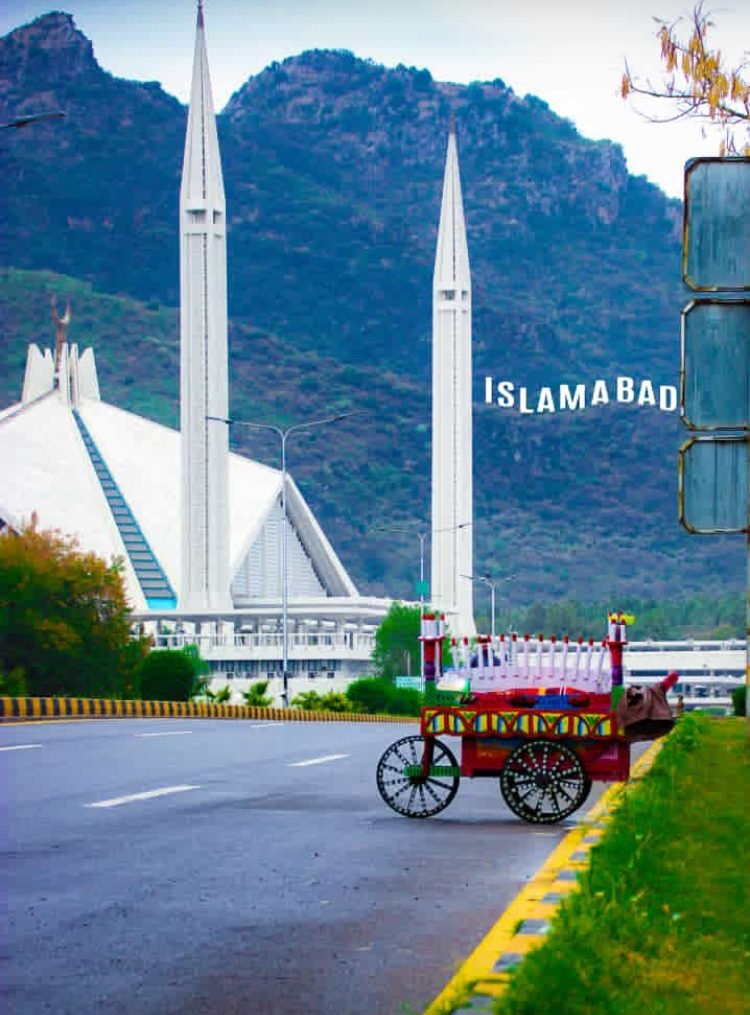
The same days will also see Bangladesh’s Parliament Speaker Hafiz Uddin Ahmad Bir Bikram leading a six-member delegation on an official visit to Pakistan until 28 November, adding to a crowded diplomatic week in the capital.
What Happens Next
What the committee agrees in Islamabad will set the pace for the alliance in the months ahead. Officials in all three capitals have described the pact as defensive in nature and not directed against any third country — a point Turkish government lawmakers stressed during the ratification debate in Ankara.
If the meeting produces the implementation mechanisms the three sides have promised — joint planning, shared intelligence and coordinated deployments — the Makkah pact will have moved from paper to practice. If it ends with only general statements, the credibility gap that has shadowed the alliance since October will remain wide open.
Pakistan is hosting this meeting as a full treaty partner for the first time — and the region will be watching whether the Makkah pact becomes a working alliance or stays a signed declaration.
By Salar Khan
Reporter | The BNN Media – The Best News Network
News Beyond the Borders
Source: Arab News (via Emra News), Feature Pakistan, House of Saud, Khyber Chronicles, NEN Agency, Associated Press of Pakistan (via ProPakistani).