
 By
The European Commission has proposed its 22nd package of sanctions against Russia, extending a transaction ban to about 60 Russian banks, cracking down on crypto networks that help Moscow evade existing measures, and barring Russian teams and athletes from competing under the Russian flag at events in the European Union.
By Tariq Jamal
Freelance Journalist | The BNN Media – The Best News Network
News Beyond the Borders
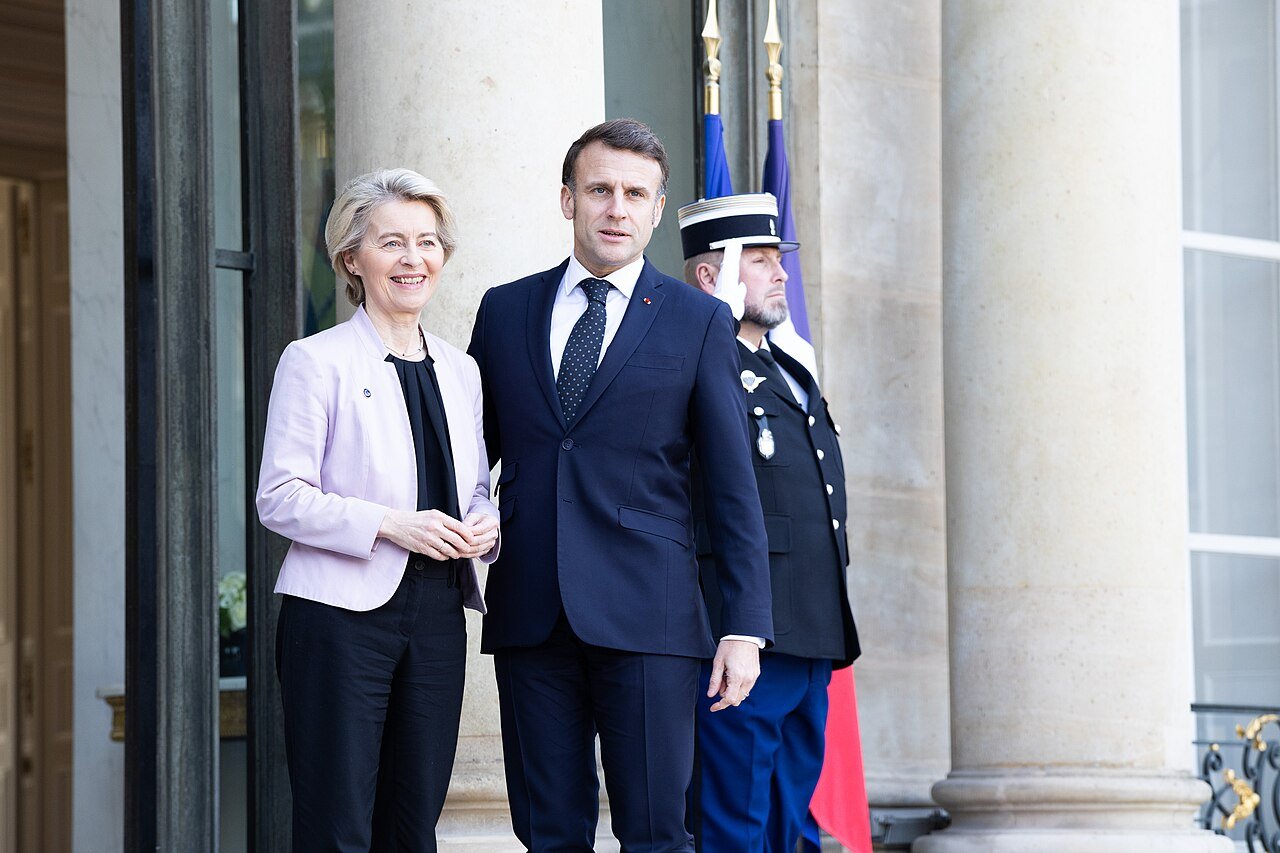
Strasbourg, France — The European Commission on Monday, 23 November, proposed its 22nd package of sanctions against Russia, Commission President Ursula von der Leyen announced in Strasbourg. The package would extend the EU’s transaction ban to some 60 Russian banks — all of which would be removed from the SWIFT international payments system — and launch a new Crypto Sanctions Task Force to pursue crypto and payment networks that help Russia dodge existing restrictions. The measures are a proposal, not yet law: they now need the unanimous approval of all 27 EU member states.
What the Package Proposes
Von der Leyen said the package increases pressure on Russia in three ways: striking harder at how Moscow finances its war, isolating Russia further from European sports and cultural life, and tightening enforcement of the sanctions already in place.
“The aim is to keep pressure on Russia to end their war of aggression in Ukraine,” she said. “And we will continue to propose new sanctions until Russia shows genuine intent for a lasting peace in Ukraine.”
The proposal is the latest in a series of EU sanctions rounds that began after Russia’s full-scale invasion of Ukraine in 2022. Each package has added new names, sectors and loopholes to close — and each has needed the agreement of every member state before it can take effect. That unanimity rule means the text presented on Monday can still change during negotiations between the Commission and national governments.
This is a proposal, not adopted law — nothing in it takes effect until all 27 member states agree.
The Banks and the Crypto Crackdown
The centrepiece of the package is financial. Von der Leyen said the Commission is “extending the transaction ban to some 60 Russian banks. All 60 banks will be removed from the SWIFT system.”
The banking measure is the largest single expansion of its kind in recent packages. The 20th sanctions package, adopted in April 2026, added 20 Russian banks to the transaction ban, and the 21st added 33. The new proposal names about 60 — though the Commission has not yet published the list of which banks they are, and it has not said whether all 60 are new additions or whether some are already covered by other restrictions.
Alongside the banks, the package turns to crypto. “We are cracking down on the crypto and payment networks,” von der Leyen said. “We will focus on Russia but also include third countries that help Russia to evade our sanctions. This is a major focus of our new package.”
To support that work, the Commission has launched a Crypto Sanctions Task Force, intended to coordinate enforcement and align efforts with international partners. The Commission has not published a mandate, budget or start date for the task force, and the statement announcing the package names no specific crypto platform or third country.
The message to banks and crypto networks is the same: the EU is moving from listing Russian entities to chasing the routes around its own sanctions.
Energy and the Shadow Fleet
The package also widens the EU’s energy sanctions. The ban on energy services would be expanded so that no European company can help Russia build, operate or repair its energy infrastructure — notably its oil refineries. For the first time, the ban would also cover electricity services.
On shipping, the Commission is listing more than 70 additional vessels from Russia’s so-called shadow fleet — the ageing tankers that carry Russian oil outside Western price caps and insurance rules. It is also proposing to ban all tanker vessels insured in Russia from EU-related business, a step aimed at the fleet’s insurance arrangements rather than only its ships.
The shadow fleet has been a persistent problem for sanctions enforcement. The vessels often sail under flags of convenience, change names and ownership, and operate with insurance from outside the Western system. Listing the ships one by one has slowed the trade without stopping it — which is why Brussels is now targeting the insurance that keeps the fleet afloat.
Visas, Sports and the Isolation Push
The package’s second pillar is isolation — shutting Russia out of European public life. Von der Leyen proposed a visa ban for Russian ex-combatants, saying they pose a security risk to Europe.
“We have recently seen an escalation in non-conventional kinetic activities of Russian operatives in Europe,” she said. “Russian ex-combatants pose a security risk to Europe. They cannot be allowed to wander freely across our countries. Therefore, entry into the European Union will be off limits.”
The visa ban carries forward an idea agreed in principle in the previous package, where member states accepted it pending a check on whether it could be put into practice. The new proposal sets out how it would be implemented.
The package also takes aim at Russian participation in sport and culture. For any sports event in the EU, the Commission is introducing bans on Russian teams and athletes competing under the Russian flag, and it proposes to ban the display of official Russian symbols. It would also restrict financial flows from Russian sponsors to European-based sports and cultural associations, and introduce restrictions on Russians holding posts in the governing bodies of European sports federations.
“Sports events cannot be a forum for propaganda activities,” von der Leyen said.
In a separate business measure, the package would prohibit Europeans from continuing to occupy posts in the governing bodies of companies in Russia. “There cannot be business as usual in our economic relations with Russia,” von der Leyen said.
Why Now
The proposal lands at a moment of sharp tension between Russia and Europe. Just three days earlier, Polish prosecutors confirmed that three Russian cruise missiles had fallen on Polish soil during a huge Russian air attack on Ukraine — an incident Warsaw called an intentional provocation and NATO called a grave violation of Polish airspace. NATO’s governing council met in Brussels on Monday to discuss the incursion, the same day von der Leyen presented the sanctions package.
BNN reported on the Polish missile incident and NATO’s response here: Poland Confirms All Three Objects That Fell on Its Soil Were Russian Cruise Missiles as NATO Meets in Brussels
The sanctions proposal is also part of a longer pattern. Brussels has said openly that it will keep producing new packages until Moscow shows genuine intent towards a lasting peace — and each round has tried to close the gaps the previous one exposed, from oil tankers to crypto wallets. The emphasis in this package on third countries reflects a recognition that sanctions evasion now runs through jurisdictions beyond Russia itself.
The timing is not accidental: the package arrives as Russian missiles have fallen on NATO soil and the alliance is meeting to answer.
What Happens Next
The package now goes to the EU’s member states. Sanctions of this kind require unanimous approval by all 27 governments in the Council of the European Union, and negotiations can change the legal text — including which banks and ships are listed, and how the crypto and visa measures are worded.
No timetable for adoption has been announced, and the Commission’s statement was published without an annex listing the entities concerned. That means the headline figures — 60 banks, more than 70 ships — are the shape of the proposal, not yet the final law. Governments with closer economic ties to Russia, or with domestic industries affected by the energy services ban, may seek changes or exemptions before they agree.
If adopted, the measures would add to one of the most extensive sanctions regimes ever imposed — 22 packages in under five years, covering banks, energy, shipping, technology, visas and now sport. If negotiations stall, the proposal still serves as a statement of intent: Brussels is prepared to keep tightening, package by package, for as long as the war continues.
The Key Facts
- The European Commission proposed its 22nd sanctions package against Russia on Monday, 23 November 2026; it is a proposal, not adopted law.
- The package extends the transaction ban to about 60 Russian banks, all to be removed from the SWIFT payments system.
- It cracks down on crypto and payment networks, including in third countries that help Russia evade sanctions, and launches a Crypto Sanctions Task Force.
- The energy services ban is expanded to cover electricity services for the first time, and no European company may help Russia build, operate or repair energy infrastructure, including refineries.
- More than 70 additional shadow-fleet vessels would be listed, and tankers insured in Russia would be banned.
- A visa ban for Russian ex-combatants is proposed, along with a ban on Europeans holding posts in Russian companies.
- Russian teams and athletes would be barred from competing under the Russian flag at EU sports events, with a ban on displaying official Russian symbols.
- Adoption requires unanimous approval by all 27 EU member states; no date for adoption has been announced and no list of the banks or ships has been published yet.
Twenty-two packages in, the EU’s message is unchanged — but its net is widening: from Russia’s banks to its crypto routes, its tankers and its athletes.
Reporting based on the European Commission statement by President von der Leyen, 23 November 2026; Reuters, 23 November 2026; and Europe Says, 23 November 2026.
By Tariq Jamal
Freelance Journalist | The BNN Media – The Best News Network
News Beyond the Borders


One thought on “EU Proposes 22nd Sanctions Package Against Russia, Targeting Banks, Crypto Platforms and Ex-Combatants”