
 By
Uganda Launches Africa’s First mRNA Ebola Vaccine Trial — and Children as Young as One Will Take Part
Uganda has launched Africa’s first clinical trial of an mRNA vaccine against the Bundibugyo species of Ebola — and for the first time anywhere, the experimental shot will be tested in children as young as one year old.
By The BNN Media
The Best News Network
News Beyond the Borders
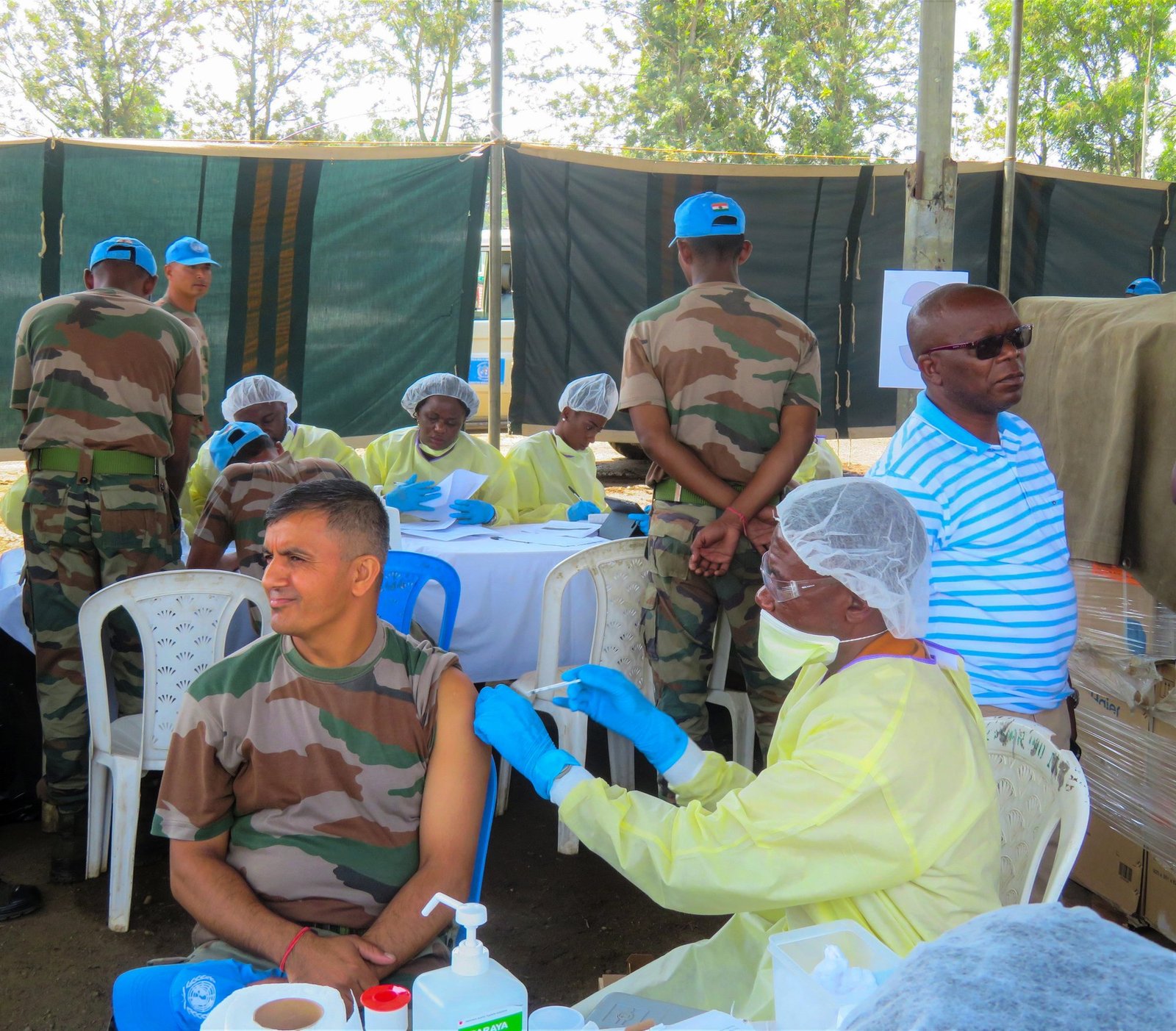
Kampala, Uganda — Uganda said on Friday, 27 November, that it had launched Africa’s first Phase I clinical trial of an mRNA vaccine against the Bundibugyo species of the Ebola virus, in a study that will test the experimental Moderna shot in about 224 healthy volunteers aged from one to 65.
The trial, run by the state-run Uganda Virus Research Institute (UVRI) in collaboration with Moderna, is the first time the vaccine’s safety and ability to trigger an immune response will be tested in children. Screening and enrolment of volunteers is now under way, and participants will be followed for about a year after their injection.
A First for Africa
The study, designated mRNA-1469-P102, tests Moderna’s investigational vaccine candidate, known as mRNA-1469, against Bundibugyo ebolavirus — the species behind the outbreak centred on the Democratic Republic of the Congo (DRC).
It is the second trial of this vaccine anywhere in the world. The first began enrolling healthy adults aged 18 to 65 in Canada in August 2026 and is still running. The Ugandan trial extends the testing to children for the first time, and to people living in the region where the virus is actually circulating.
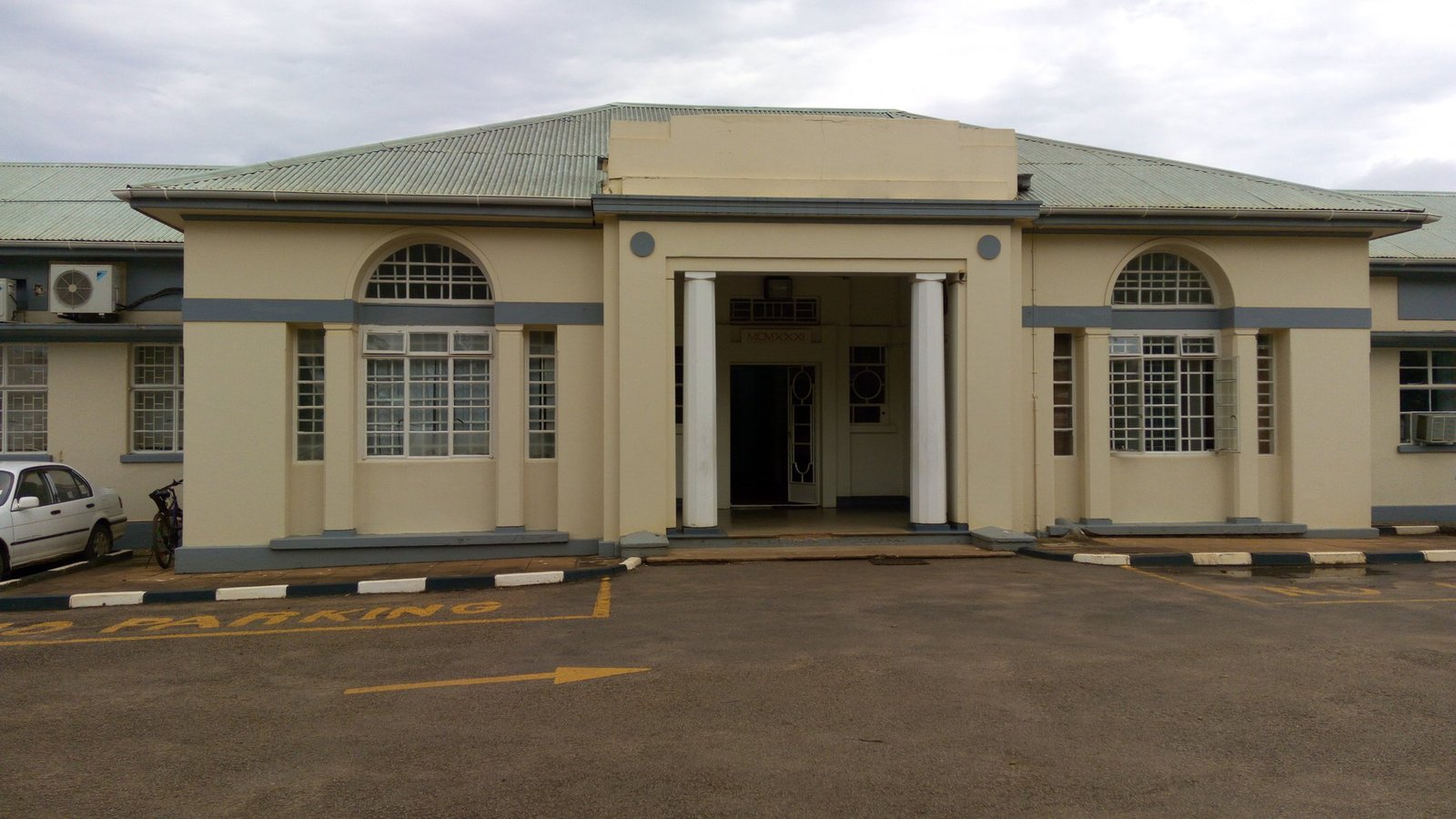
Uganda’s regulatory authorities reviewed and approved the trial before it began, UVRI said. The institute is a government research body founded in 1936, and it is leading the study with Moderna, the company that developed the vaccine, and Parexel, the clinical research organisation running the trial’s operations.
For a continent that has borne the brunt of Ebola outbreaks, this is the first time an mRNA Ebola vaccine has been tested on African soil.
Why Children Are at the Centre
Children are the new element in this trial — and the reason it matters. The Canadian trial enrolled adults only. In Uganda, volunteers will range from one-year-olds to people aged 65, and the safety and immune response in children is the study’s defining feature.
“Children are often among those hardest hit when Ebola strikes, yet they are too often the last to benefit from new vaccines,” said Dr Richard Hatchett, chief executive of the Coalition for Epidemic Preparedness Innovations (CEPI), which is funding the work.
“Crucially, gathering safety and immunogenicity data in children now means that, if the vaccine is shown to work in phase 2/3 studies, it could be used to protect whole communities.”
That last point is the key. A vaccine tested only in adults cannot simply be given to children in an outbreak — their safety and immune responses have to be measured first. By enrolling children now, the trial aims to avoid the delay that usually leaves the youngest unprotected the longest.
- Volunteers: about 224 healthy people, aged 1 to 65
- First for children: safety and immune response tested in children from age one
- Follow-up: about one year from the study injection
- Status: screening and enrolment under way
The trial is built around a simple idea: the youngest should not have to wait longest for protection.
What Phase I Can — and Cannot — Show
It is important to be clear about what this study is. Phase I is the earliest stage of human testing. It is designed to answer two questions: is the vaccine safe, and does it trigger an immune response?
It cannot yet show whether the vaccine actually prevents Ebola. That is the job of the larger Phase II and III studies that would follow, if the early results are promising.
Interim results from the Canadian adult trial have already contributed to the vaccine being recommended by the World Health Organization’s independent Technical Advisory Group on Candidate Vaccines Prioritization for testing in the DRC in a Phase II/III ring vaccination trial, known as Tumaini. In a ring trial, the contacts of confirmed cases — and the contacts of those contacts — are vaccinated, to test whether the vaccine can stop an outbreak spreading.
There is also no licensed vaccine against Bundibugyo virus disease today. The licensed Ebola vaccines, such as Merck’s Ervebo, target a different species, Zaire ebolavirus. The Moderna candidate is investigational, and it will be years before it could be approved — if it works at all.
The Outbreak Behind the Urgency
The trial is a direct response to the outbreak in the DRC, which Reuters has described as the second-largest Ebola outbreak on record globally. The outbreak is caused by the Bundibugyo species — the same virus the new vaccine targets.
According to figures reported by BNN on 26 November, the outbreak in DR Congo has passed 12,000 cases, with 5,904 deaths, in the country’s worst outbreak. The outbreak began in May and has been centred on Bunia and Beni, in the east of the country, close to Uganda’s border.
Uganda, which shares a long and porous border with eastern DRC, has itself faced Ebola outbreaks before, including a Sudan ebolavirus outbreak in 2022. The trial is taking place in a country that knows, first-hand, how fast the virus can cross a border.
Professor Pontiano Kaleebu, director of UVRI and the head of the trial, said the institute had worked “very fast” with Uganda’s regulators, the Ministry of Health and Moderna’s team to move the vaccine into a trial.
“We are very pleased to conduct this trial to support the efforts to address the on-going outbreak in DRC and future outbreaks,” he said.
The trial is not a response to a distant threat. The outbreak is next door.
The Other Vaccines in the Race
Moderna’s candidate is not the only Bundibugyo vaccine being tested. The University of Oxford’s viral vector-based candidate, ChAdOx1 BDBV, is also in early-stage trials — in the United Kingdom since July 2026 and in Uganda since October 2026, where the first participants were vaccinated in Masaka City.
Reuters reported that Moderna’s vaccine will also enter trials in the DRC soon, alongside the Oxford vaccine, which is being developed with the Serum Institute of India.
The two candidates use different technologies. Moderna’s is an mRNA vaccine — the same platform used in its Covid-19 vaccines — which carries instructions for the body’s cells to make a piece of the virus, prompting an immune response. Oxford’s is a viral-vector vaccine, which uses a harmless virus to deliver the same instructions.
Having more than one candidate matters. If one fails, the other may succeed — and different vaccines may suit different situations, from rapid outbreak response to routine protection of health workers.
This is a race with more than one runner, and the finish line is a vaccine that works where the virus actually circulates.
Who Is Paying and Who Is Running It
The work is supported by funding from CEPI of up to US$58.5 million to Moderna, as part of a programme to advance the Bundibugyo vaccine candidate. CEPI is a partnership of governments, philanthropists and industry that funds vaccines against epidemic threats.
Hamilton Bennett, Moderna’s executive director for resilience research and development, said the company was pleased the candidate was being evaluated in Uganda. “Evaluating the vaccine in paediatric populations will provide valuable data to support its potential wider use in the current and future outbreaks,” he said.
The trial is being run in Uganda by UVRI, with Moderna as the developer and Parexel as the clinical research organisation. It follows review and approval by Uganda’s regulatory authorities — a point UVRI stressed in its announcement, given the trial’s inclusion of young children.
What Happens Next
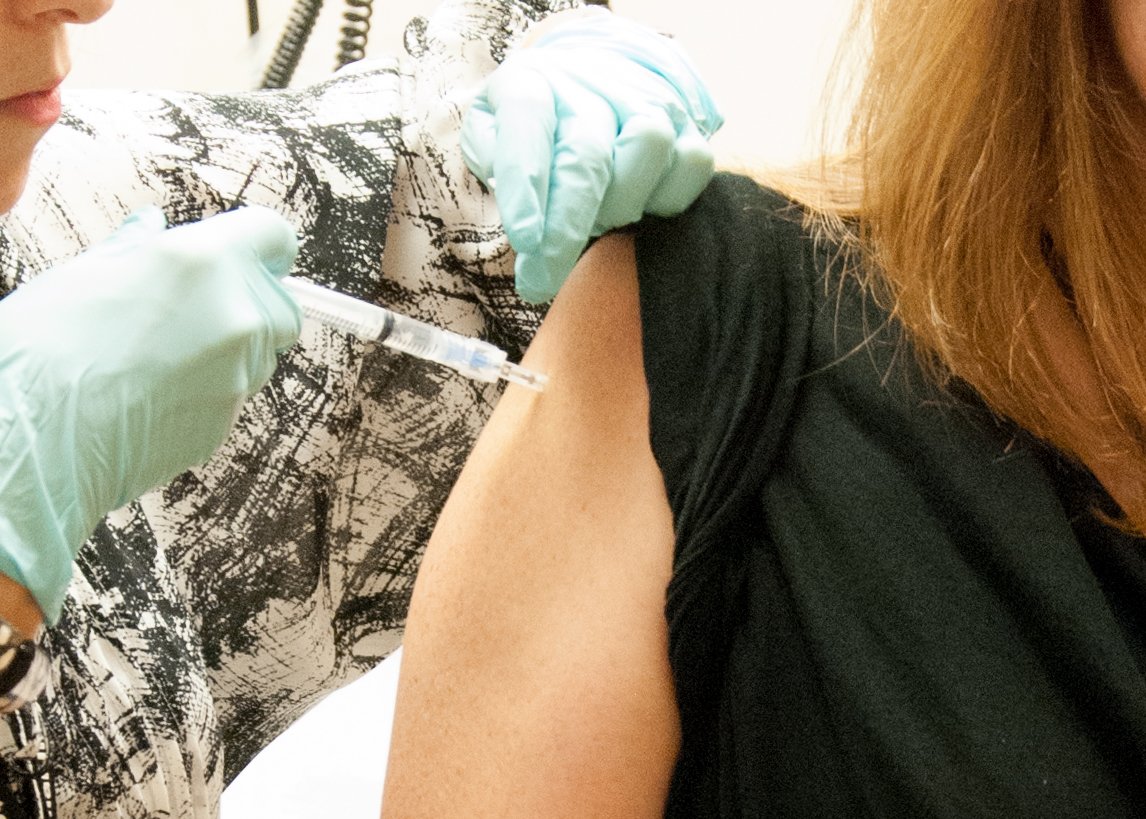
Screening and enrolment are now under way, and volunteers will be followed for about a year from their study injection. The first results — on safety and immune response — will emerge over the coming months.
If the vaccine proves safe and triggers a strong immune response, the next step is the larger Phase II/III ring vaccination trial in the DRC, which the WHO advisory group has already recommended. That is where the question of whether the vaccine actually protects people will begin to be answered.
For now, the significance of the Ugandan trial is what it represents: an African institute, testing a vaccine made for an African outbreak, in the people most at risk — including children who have never before been included in a trial of this kind.
It is a small study, with a big first: children, at last, are not waiting at the back of the queue.
By The BNN Media
The Best News Network
News Beyond the Borders
One thought on “Uganda Launches Africa’s First mRNA Ebola Vaccine Trial — and Children as Young as One Will Take Part”