By
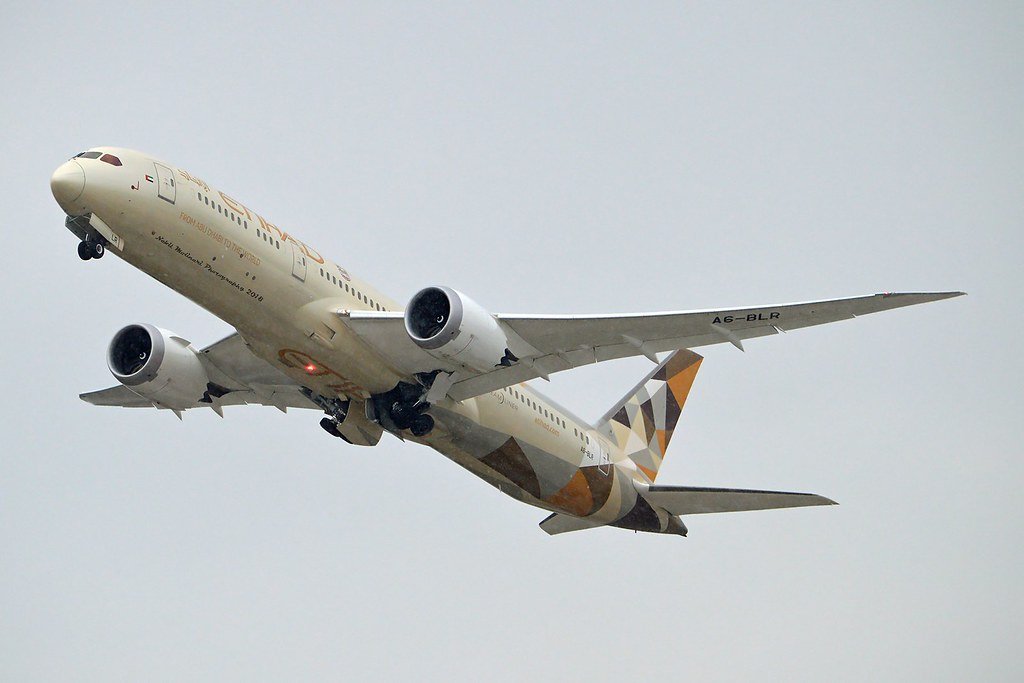
An Etihad Airways flight from Abu Dhabi to Tel Aviv was forced to turn back to the United Arab Emirates on Tuesday night after a mid-air change to its flight path left the aircraft without enough fuel to complete the longer revised route.
By Umar Farooq
Journalist (UAE) | The BNN Media – The Best News Network
News Beyond the Borders
Abu Dhabi, United Arab Emirates — Etihad Airways flight EY599, bound for Tel Aviv, returned to Zayed International Airport in Abu Dhabi on Tuesday night after the aircraft was required to change its route while flying over Saudi Arabia, and the alternative path proved too long for the fuel on board and the crew’s permitted duty hours.
Two Attempts, Then the Turn Back
Flight-tracking data cited by The Times of Israel showed EY599 making two attempts to head west towards Israel before turning back — one over Saudi Arabia and another in the direction of Bahrain. In both cases, the aircraft turned away and headed back towards the UAE.
Etihad said the aircraft had been required to change its flight path while over Saudi Arabia. The airline did not specify in its reported statement why the route change was required, and no confirmed closure of Bahraini airspace has been established in the reporting.
Twice the crew tried to press on west. Twice the route would not let them through.
Why the Crew Turned Back
Etihad explained the decision in a statement carried by The Jerusalem Post:
“The aircraft was required to change its flight path over Saudi Arabia,” the airline said. “Since the amount of fuel on board was insufficient to complete the flight on the alternative route, and continuing the flight to Tel Aviv would have resulted in exceeding the crew duty and rest time limitations set by aviation regulations, a decision was made to return the aircraft to Zayed International Airport in Abu Dhabi for refueling or replacing the aircraft with a larger one, changing the flight crew and departing again for Tel Aviv.”
The turnback was not an emergency landing and involved no onboard incident. With the longer alternative route, the aircraft simply could not reach Tel Aviv on the fuel it carried — and even if it could have, the extra flying time would have pushed the crew beyond the duty and rest limits set by aviation regulations.
A Replacement Flight Lands in Tel Aviv
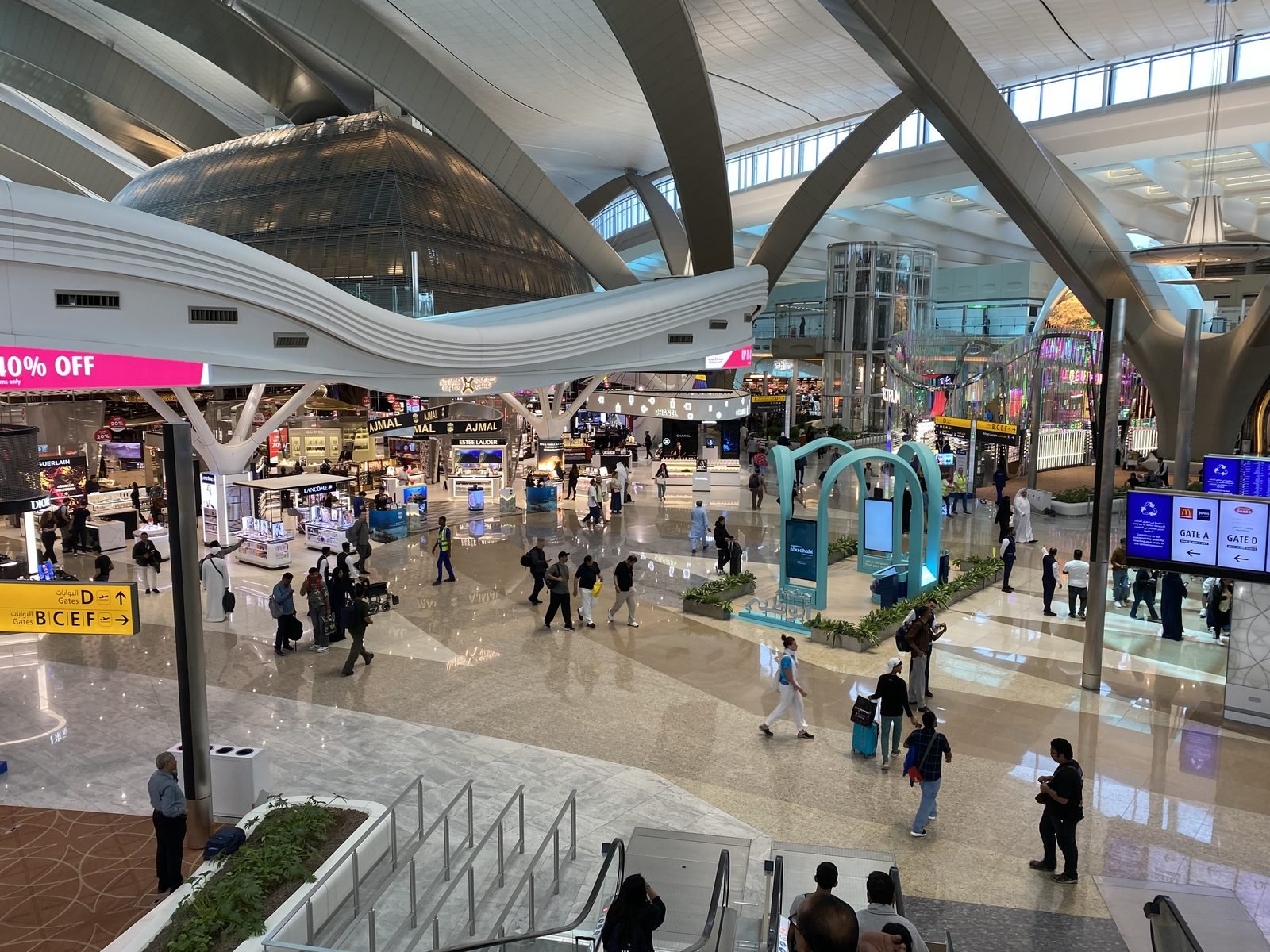
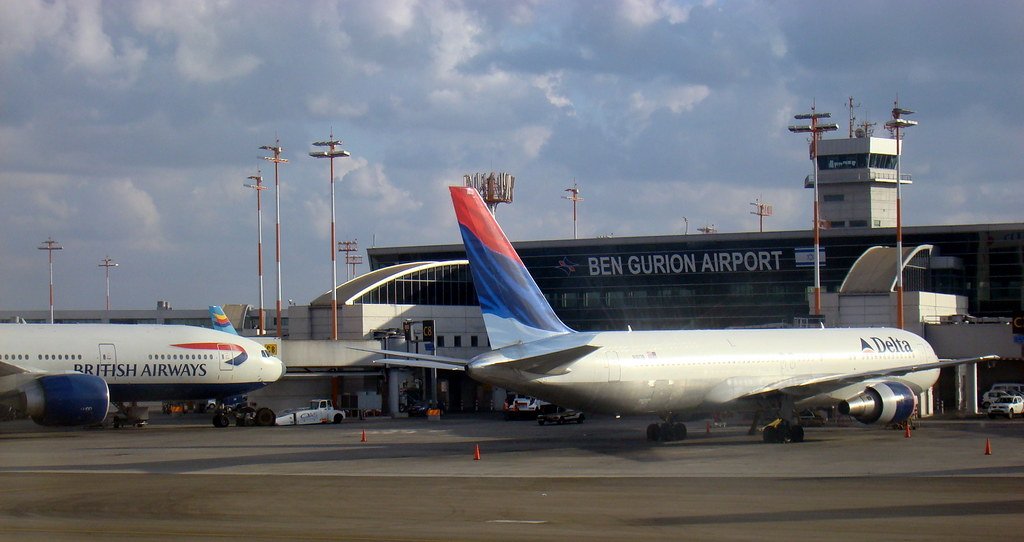
After EY599 returned to Abu Dhabi, the airline put a replacement service together overnight. A replacement flight departed Abu Dhabi early on Wednesday morning and arrived at Ben Gurion Airport shortly after 6.30 a.m., according to flight-tracking information cited by The Times of Israel.
The return service, EY600 from Tel Aviv to Abu Dhabi, was delayed on Wednesday, according to Etihad’s flight-status notice. The disruption affected a specific flight on a specific night — it was not an announcement that Etihad had suspended its Abu Dhabi–Tel Aviv route.
By Wednesday morning, passengers were landing in Tel Aviv. The route kept flying; one flight did not.
The Regional Backdrop
The incident came during a sharp escalation in the region. On Tuesday, a strike on a tower in Riyadh’s financial district wounded 11 people, according to Saudi civil defence. On Wednesday, Yemen’s Houthis said they had attacked Saudi Arabia’s Ras Tanura oil refinery and Riyadh’s financial district, with Houthi military spokesman Yahya Saree saying the refinery attack caused fires and that the group had attacked the financial district in three phases.
It is important to be clear about what is and is not established. The reporting does not say the Houthi attacks caused EY599’s reroute, and Etihad gave no reason for the route change. The flight turned back because of fuel and crew limits on the revised route — those are the reasons the airline itself gave.
What It Means for Travellers
For passengers, the lesson of Tuesday night is a familiar one in aviation: a flight plan is only as good as the airspace it crosses. When a route changes mid-flight, the numbers — fuel, distance, crew hours — decide what happens next, and on Tuesday night the numbers said turn back.
Etihad’s response followed the standard pattern for such a disruption: return to base, refuel or swap the aircraft, change the crew, and fly again. Passengers booked on the route should check their individual booking and Etihad’s live flight status, as schedules on the day can still shift with the regional situation.
The aircraft came home, the passengers got there in the morning, and the route stayed open — a disruption, not a shutdown.
By Umar Farooq
Journalist (UAE) | The BNN Media – The Best News Network
News Beyond the Borders
Sources: The Jerusalem Post — “Saudi-Houthi crisis causes Etihad flight to Tel Aviv to return to Abu Dhabi” (25 Nov 2026); CargoTalk — “Etihad Abu Dhabi–Tel Aviv flight returns after route change”; The Times of Israel (flight-tracking data, via the above); jbiznews — “Etihad Flight Reaches Tel Aviv After Returning to Abu Dhabi Over Rerouting”.